

Ignition Seed Company
Jalapeño Mammoth Seeds
Jalapeño Mammoth Seeds
Couldn't load pickup availability
General
General
Big, juicy and in no hurry to stop producing
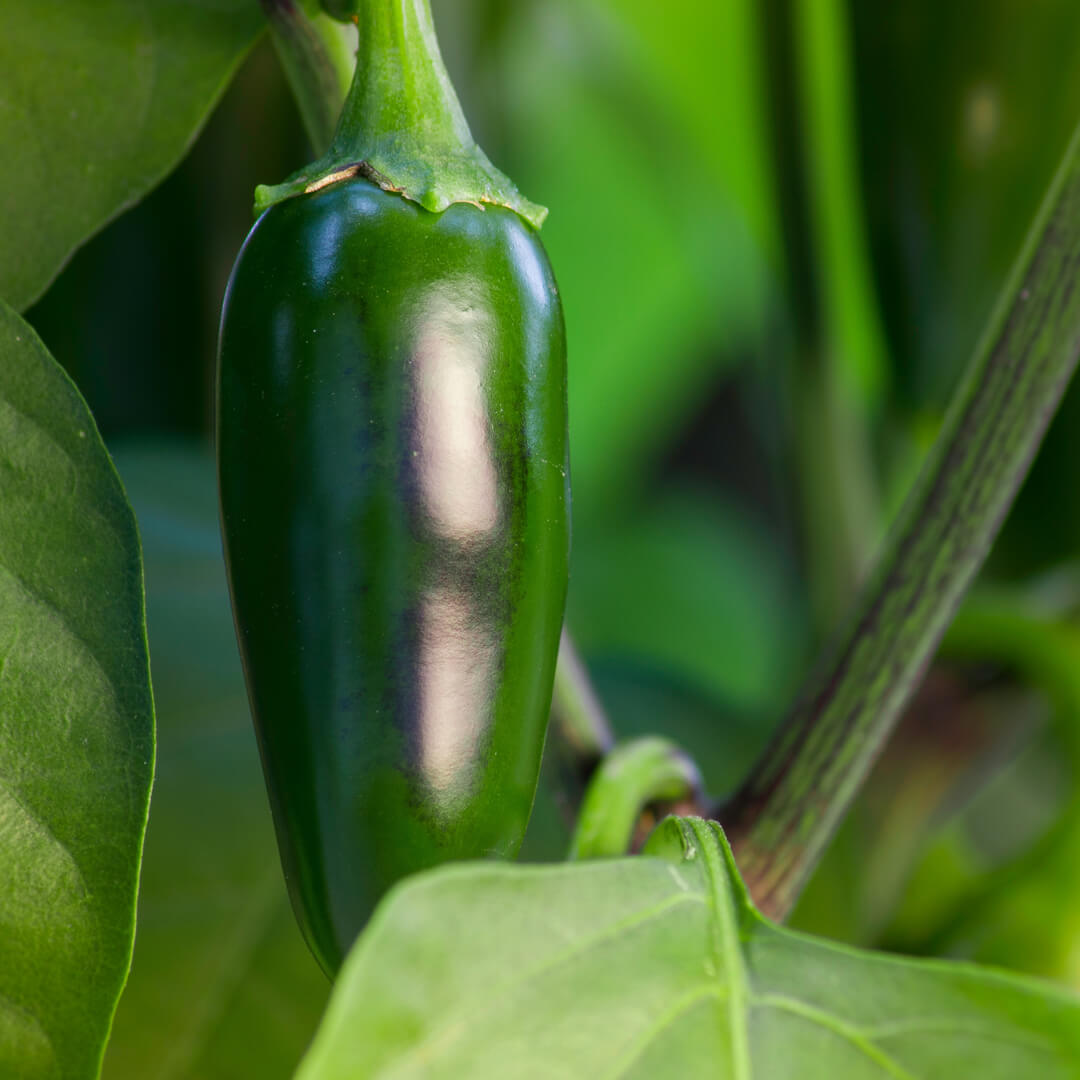
Some chilli names oversell. Mammoth isn't one of them. This is a jumbo F1 hybrid jalapeño (Capsicum annuum) bred to produce pods well beyond standard jalapeño size, with thick, juicy flesh and smooth skin that one US grower sums up as perfect for "whopper poppers". Pods start rich green, often develop a touch of corking as they mature, and finish a deep red if you leave them to ripen.
A word on size, because suppliers can't quite agree. Some list pods at 7 to 9 cm, others closer to 11 cm, and a couple claim even more. What every source agrees on is the important bit: pods clearly chunkier than a regular jalapeño, with walls thick enough to stuff, slice and grill without falling apart.
Flavour is where Mammoth quietly shines. The flesh is unusually juicy for a jalapeño, sweet rather than sharp, with that familiar green freshness before it mellows and deepens as pods redden. Heat sits at the friendly end of jalapeño territory, so you can cook with it by the handful rather than the sliver.
It's also a generous plant. Suppliers note an extended fruit-setting period, which in NZ terms means a plant that keeps flowering and podding through summer and well into autumn instead of dumping one flush and calling it a season.
That combination is why we stock it at Ignition Seeds. We're a small NZ operation with a simple filter: varieties that earn their place in Kiwi gardens, seed we've tested for strong germination, and packaging and sourcing we keep as sustainable as we can. Mammoth ticks every box. It's the chilli for people who'd rather harvest a bowlful of big, useful pods every week than nurse something temperamental for three showpiece fruit. Grow one plant and your popper habit is sorted; grow two and the neighbours eat well too.
Cultivation
Cultivation
Start Mammoth indoors in late winter or early spring, which for most of NZ means August through to early October. If you're in the warm upper North Island with a heat pad running, late July is fine. Down south, hold off until September; a seedling shivering on a cold windowsill gains you nothing.
Warmth is everything at this stage. Chilli seed wants the mix itself sitting at a steady 22 to 28°C, and about 25°C is ideal. At those temperatures most seed shows in one to three weeks. Cooler than that and germination slows dramatically or stalls altogether, which is how perfectly good seed gets blamed for a grower's cold bathroom.
The method:
• Fill trays or small pots with fresh seed-raising mix and sow about 3 to 4 mm deep.
• Moisten the mix evenly. Damp sponge, not swamp.
• Trap humidity with a clear lid or a loosely tied plastic bag over the tray.
• Park the tray somewhere consistently warm. A heat pad takes all the guesswork out; the top of an old fridge or a hot water cupboard can work, but check the temperature rather than assuming.
• Once the first loops of seedling break the surface, whip the cover off and move them into serious light. A north-facing windowsill will do, though a cheap grow light beats winter sun in most of the country.
• Pot on into individual pots when the first true leaves show.
If things wobble: no germination usually means not warm enough for long enough, so be patient before declaring failure. Seedlings that collapse at the base have damping off, so cut back watering and get air moving. Tall, pale, leaning seedlings are light-starved and want brighter conditions immediately.
Get them through this stage warm and bright, and Mammoth is plain sailing from here.
Growing
Growing
Once the frosts are done, Mammoth wants the best seat in the garden: full sun, protection from wind, and room to breathe. Airflow around the foliage isn't a nice-to-have, it's your first line of defence against fungal problems later in the season.
In the ground, work in plenty of compost and make sure drainage is good. A pH somewhere around 6.0 to 7.0 suits chillies well. If your soil sits wet after rain, plant into a raised bed or a mound rather than hoping for the best.
Mammoth also makes an excellent container plant. Expect a bush somewhere between 60 and 90 cm depending on conditions, so give it a pot of at least 15 to 20 litres, filled with quality potting mix. Container plants dry out faster and run out of food sooner than garden plants: water whenever the top few centimetres of mix are dry, and feed fortnightly with a liquid tomato fertiliser from first flowers onward. Steady moisture matters more than volume; big swings between parched and soaked cause dropped flowers and stressed plants. Those jumbo pods add real weight, so stake early rather than after the first windy night rearranges things.
NZ-specific advice, earned the hard way:
• Don't transplant until frost risk has passed and overnight lows sit above roughly 12°C. Late October to November suits most regions, earlier in the far north.
• Our cool, blustery springs are harder on chillies than midsummer ever is. A cloche, frost cloth or tunnel house transforms your results.
• Wind snaps chilli branches and shreds leaves. A sheltered corner, a fence line or a temporary windbreak pays for itself.
• Use your microclimates. The warm strip beside a concrete path or against a north-facing wall can run weeks ahead of the open garden.
Harvesting
Harvesting
Mammoth gives you a long picking window, and using all of it is the trick to big harvests.
For green pods, wait until fruit has reached full size with a deep, glossy green skin and firm walls that give a crisp snap. Light brown corking lines across the shoulders are a sign of a properly mature jalapeño, so pick with confidence. From transplanting, first green pods typically arrive around 70 to 75 days, give or take whatever your local summer decides.
For red pods, leave them hanging. The colour shifts through darker green to a rich red, the flavour sweetens noticeably, and the heat rounds out. Juicy red Mammoths are excellent eating and even better in sauces and jams.
Harvest with snips or sharp scissors, leaving a centimetre of stalk on each pod. Pulling by hand risks snapping whole branches, and this plant will be carrying serious weight.
The extended fruit set is your friend here. The more green pods you take, the more flowers the plant pushes out, so pick little and often right through summer. Keep up the fortnightly feed and steady water while pods are forming, and clear off any damaged fruit rather than letting the plant ripen blemished pods.
Once they're inside:
• Fridge: fresh pods keep a week or two in the crisper drawer.
• Freezer: slice or freeze whole in bags; ideal for cooked dishes later.
• Pickles: sliced rings in vinegar brine are the classic jalapeño move, and Mammoth's size means fewer pods per jar.
• Smoker: red pods smoked long and low become homemade chipotles.
• Fermentation: a simple salt brine turns surplus pods into hot sauce.
Fair warning on drying: all that juicy, thick flesh takes ages to air-dry whole and can spoil first. Slice thinly or use the smoker instead.
Heat Levels
Heat Levels
Mammoth sits at the gentle end of the jalapeño scale. Suppliers quote it between roughly 2,000 and 5,000 Scoville heat units, with one listing a typical band of 3,500 to 4,500, and descriptions consistently land on mild to medium. For context, that's standard jalapeño warmth or a touch under, a world away from habaneros and the superhot crowd.
In practice: a definite, pleasant warmth that builds gently, doesn't linger unreasonably, and won't ambush anyone at the dinner table. Most people can eat a whole stuffed pod and go back for another, which is rather the point of growing a popper chilli.
Heat also isn't a fixed number printed into the seed. The growing season writes the final figure. Pods from a plant grown lean, hot and slightly dry will noticeably outgun pods from a cosseted plant with even watering. Red, fully ripe pods tend to carry a little more warmth and a lot more sweetness than green ones. And individual pods vary on the same plant, so the odd surprise comes with the hobby.
Beyond the burn, Mammoth has real flavour to offer. Green pods are fresh, grassy and juicy with a clean bite, closer to biting a crisp apple than chewing a firework. Ripe red pods turn sweet and rounded, with the juiciness this variety is known for making salsas and sauces noticeably better.
Who should grow it:
• New chilli growers wanting a first plant that's forgiving in both garden and kitchen.
• Households where one person loves heat and everyone else tolerates it.
• Cooks who go through jalapeños by the bag for poppers, pickles and salsa.
• Serious heat fans who still need an everyday chilli. Even Reaper growers eat poppers.
Pests and Diseases
Pests and Diseases
Chillies in NZ gardens share the same short list of enemies, and Mammoth is no exception, though it does bring bred-in resistance to tobacco mosaic virus and potato virus Y, which two of our reference suppliers list specifically.
Know the line-up. Aphids mass on tender growing tips and flower buds. Whitefly lurk under leaves and erupt in clouds when disturbed, especially in tunnel houses. Two-spotted mites arrive in hot, dry, still corners and leave leaves speckled bronze with fine webbing beneath. Slugs and snails mow down young transplants overnight. In wet or humid spells, damping off takes seedlings, grey mould settles on crowded foliage, powdery mildew dusts leaves white, and poorly drained soil invites root rot.
Your best controls are set up before trouble starts:
• Give each plant space and keep air moving, indoors and out.
• Water the soil, not the foliage, and do it in the morning.
• Insist on free-draining beds, mounds or pots.
• Start each season with clean trays, pots and tools.
• Feed for steady growth, not soft lush growth; excess nitrogen is an aphid buffet.
If pests arrive anyway, escalate gently. Squash small aphid colonies by hand or hose them off. Insecticidal soap or neem oil deals with aphids, whitefly and mites when sprayed thoroughly under leaves in the cool of evening, repeated weekly. Hang yellow sticky traps to track whitefly numbers. Let ladybirds, hoverflies and lacewings do their share by planting flowers nearby and skipping broad-spectrum sprays. Cut out and bin any badly affected growth.
Make a quick weekly inspection a habit and you'll catch problems early: shiny sticky patches or sooty black film, distorted new leaves, pale speckling with webbing, or a plant wilting in moist soil all mean it's time to act, not panic.
Dishes
Dishes
A mild, jumbo, thick-fleshed jalapeño is about as useful as chillies get. Some ways to put a Mammoth harvest to work:
• Whopper poppers. The signature dish. Halve, deseed, load with cream cheese and a little smoked cheddar, then barbecue or bake until blistered. One Mammoth equals two or three ordinary poppers' worth of eating.
• Jalapeño mayo. Blitz charred green pods into mayonnaise for fish burgers or fish and chips. As NZ as it gets.
• BBQ corn butter. Finely diced pods mashed through butter with lime zest, melted over grilled sweetcorn.
• Pickled rings. Mammoth's girth makes proper burger-sized rings instead of fiddly little ones.
• Chunky salsa. Green pods, tomato, red onion, coriander and lime, made coarse enough to stand a corn chip in.
• Stuffed and roasted. Treat red pods like mini capsicums: fill with rice, mince or beans and roast until soft.
• Candied jalapeños. Simmered in sweet vinegar syrup, then spooned over cheese and crackers when guests arrive.
• Red jalapeño jam. The ripe pods' sweetness makes a glossy, warm-spiced jam that earns permanent fridge space.
• Quesadilla ammunition. Sliced raw or pickled, layered with cheese in a folded tortilla for the fastest chilli dinner going.
• Homemade chipotles. Smoke fully ripe red pods until leathery, then store in adobo. Slow, worth it.
Handling this variety is relaxed territory. The heat is modest, but capsaicin doesn't care how brave you are once it's on your hands, so wear gloves for big prep sessions and wash hands, knives and boards before touching your face or anyone's lunch. That's the extent of the safety briefing; no superhot theatrics required. And if a glut still gets ahead of you, remember pods freeze whole; future you can decide what they become.
Recipes
Recipes
| Heat Level: | 2,500 – 5,000 SHUs |
| Type: | Medium |
| Species: | Capsicum annuum |
| Origin: |
Mexico |
| Days to Harvest: | 65-75 days |
| Seeds per Pack: | 10+ pepper seeds |
Share