
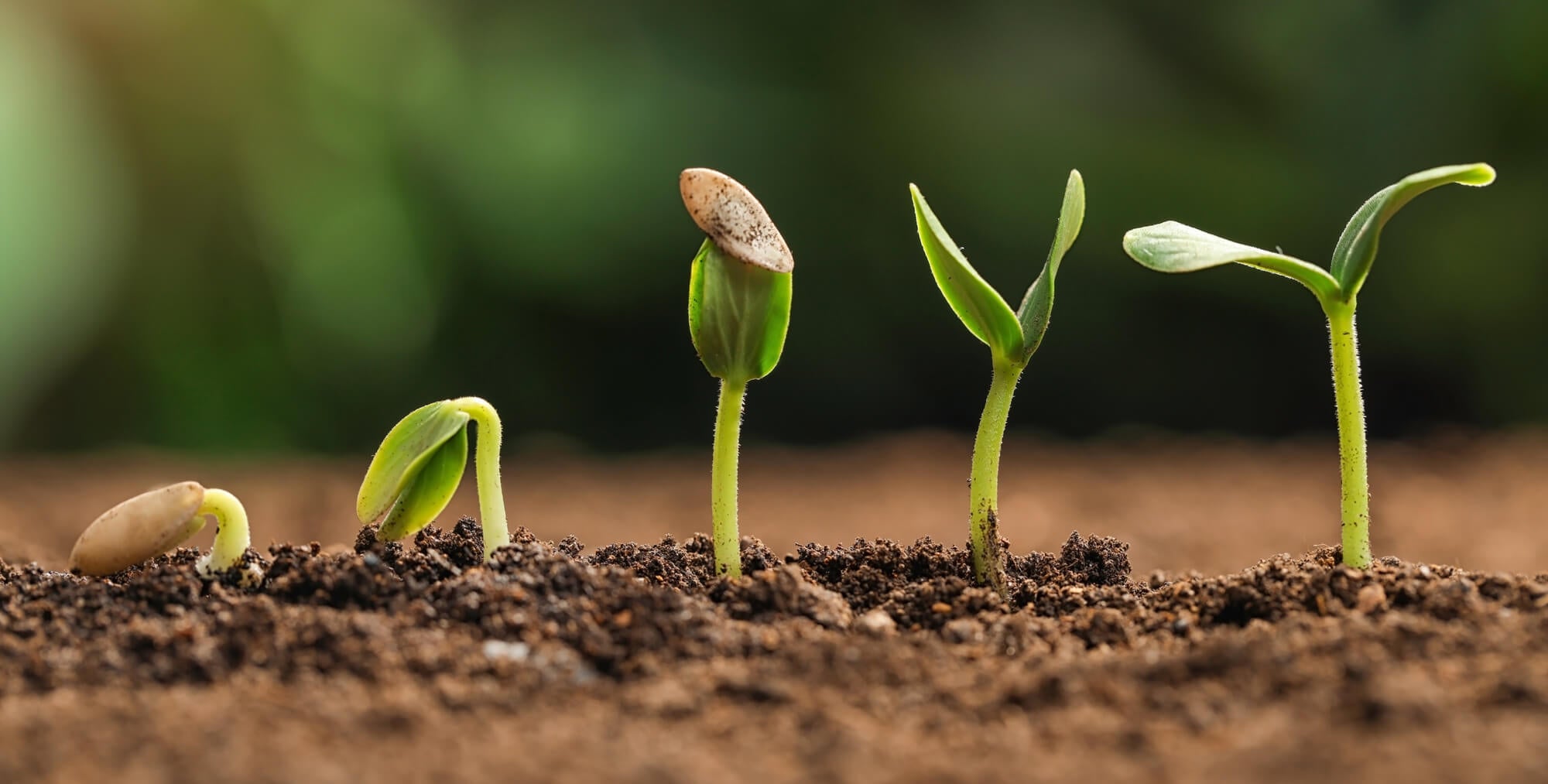
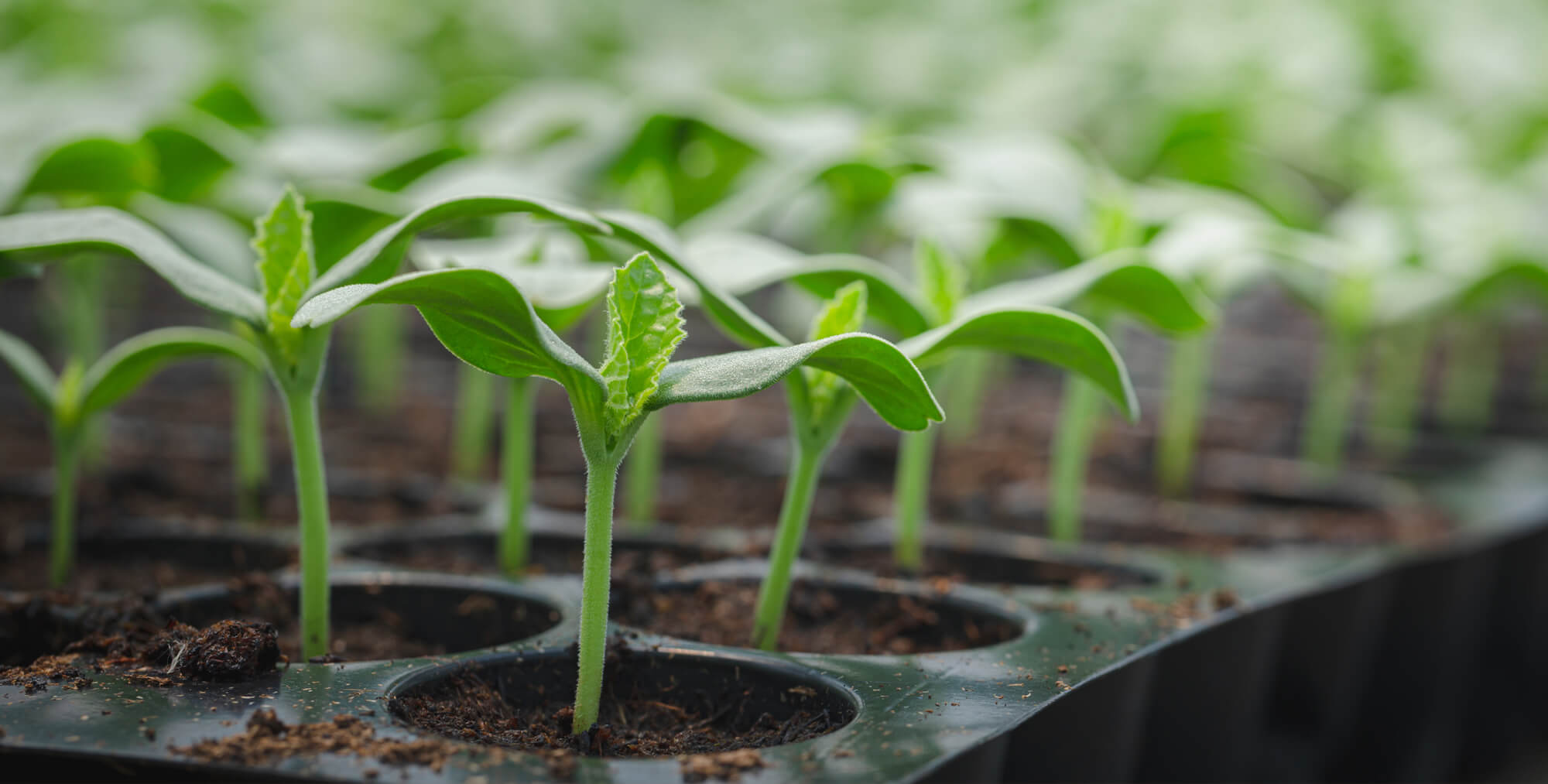
Chilli seed germination
If your chilli seeds haven't come up yet, don't panic. Most people in this position have done nothing wrong. They're usually checking too early, particularly in winter and early spring, when a New Zealand house isn't quite warm enough on its own.
Chilli seeds aren't all on the same timetable. Most varieties take 2 to 4 weeks to germinate in good conditions. Capsicum chinense varieties, including habaneros, Scotch Bonnets and the superhots, are often slower, and can take 3 to 6 weeks or longer. A tray that looks quiet after two weeks usually just needs more time.
The quick answer
For reliable germination, chilli seeds need:
- a warm growing mix, ideally 25 to 30°C
- sowing around 3 to 4 mm deep
- mix that feels like a wrung-out sponge, not a swamp and not dust
- patience, especially with chinense and superhot varieties
Soil temperature, not room temperature
The temperature that matters is the seed-raising mix, not the number on the lounge thermostat. A sunny windowsill can feel warm during the day and still leave the tray cold overnight, which is enough to slow chilli seeds right down.
A heat mat is the simplest fix. It's what we use. Put the tray on the mat and aim for a steady 25 to 30°C in the mix. A lid helps hold humidity, but lift it briefly each day so the surface isn't constantly dripping. Without a heat mat, pick the warmest stable spot you have rather than moving the tray between warm and cold places.
The two usual problems: too wet and too dry
Overwatering is the common one. If the mix stays saturated, seeds can't get enough air and may rot before they sprout. Don't water on a schedule. Check the surface and the weight of the tray, and add a little water only when it's starting to dry.
Underwatering is just as frustrating. A seed that starts to take up water and then dries out can stall. Bottom-watering helps: stand the tray in a shallow dish of water for a few minutes, then lift it out to drain.
Do chilli seeds need light to germinate?
No. Warmth and moisture matter more until the seeds sprout. Once shoots appear, move the tray into bright light straight away, or seedlings will stretch. Don't leave a lidded tray in hot direct sun either, as it can turn into a small oven very quickly.
When to sow in NZ
Serious growers start sowing around July, with a heat mat. August and September are more forgiving for annuum varieties such as jalapeños. Chinense and superhots benefit most from the earlier start, since they're slower to germinate and need a longer season. Our month-by-month sowing calendar covers the rest of the year.
Before you give up
If the tray is warm and evenly moist and the seeds have only been down a couple of weeks, leave it alone. Digging around for seeds every few days disturbs them and makes it harder to judge what's happening. For chinense and superhots, give them at least six weeks in warm conditions before deciding they've failed.
Still nothing after that? Get in touch and tell us the variety and how you sowed it. We'll help you work out what happened.
The methods below cover four ways to get seeds started, from a basic tray to a heat mat.
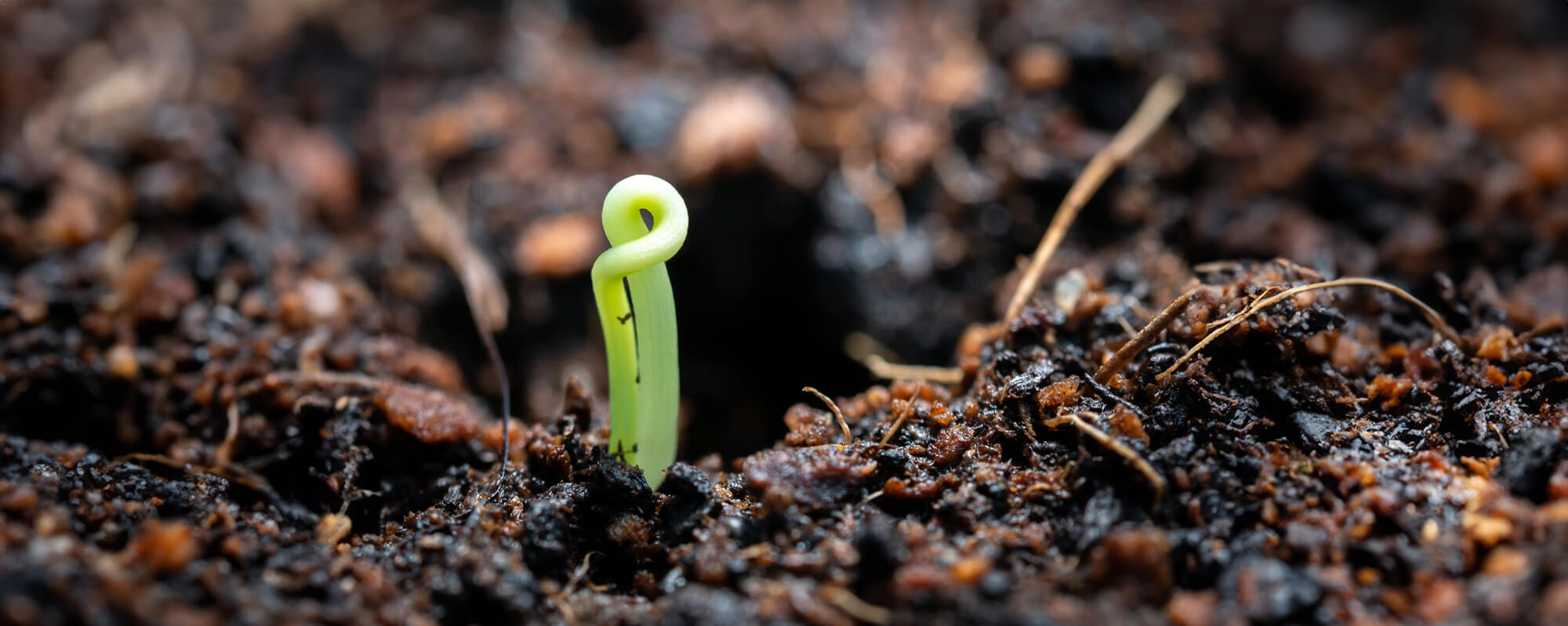
1. The traditional method: sowing in soil
The classic approach, and it works for most varieties.
You'll need:
- Seed trays or small pots
- Seed-raising mix (light and free-draining)
- A spray bottle
- A clear plastic bag or cling film
Steps:
- Fill trays or pots with seed-raising mix and firm it down lightly.
- Sow one seed per cell, about 3 to 4 mm deep, and cover with a little more mix.
- Mist with the spray bottle until evenly damp.
- Cover with the plastic bag or cling film to hold in warmth and moisture.
- Put the tray somewhere warm. Chilli seeds want 25 to 30°C to germinate. A sunny windowsill works, a heated propagator works better.
- Keep the mix moist but never waterlogged, and be patient. Germination takes anywhere from 2 to 4 weeks depending on the variety. Superhots sit at the slow end.
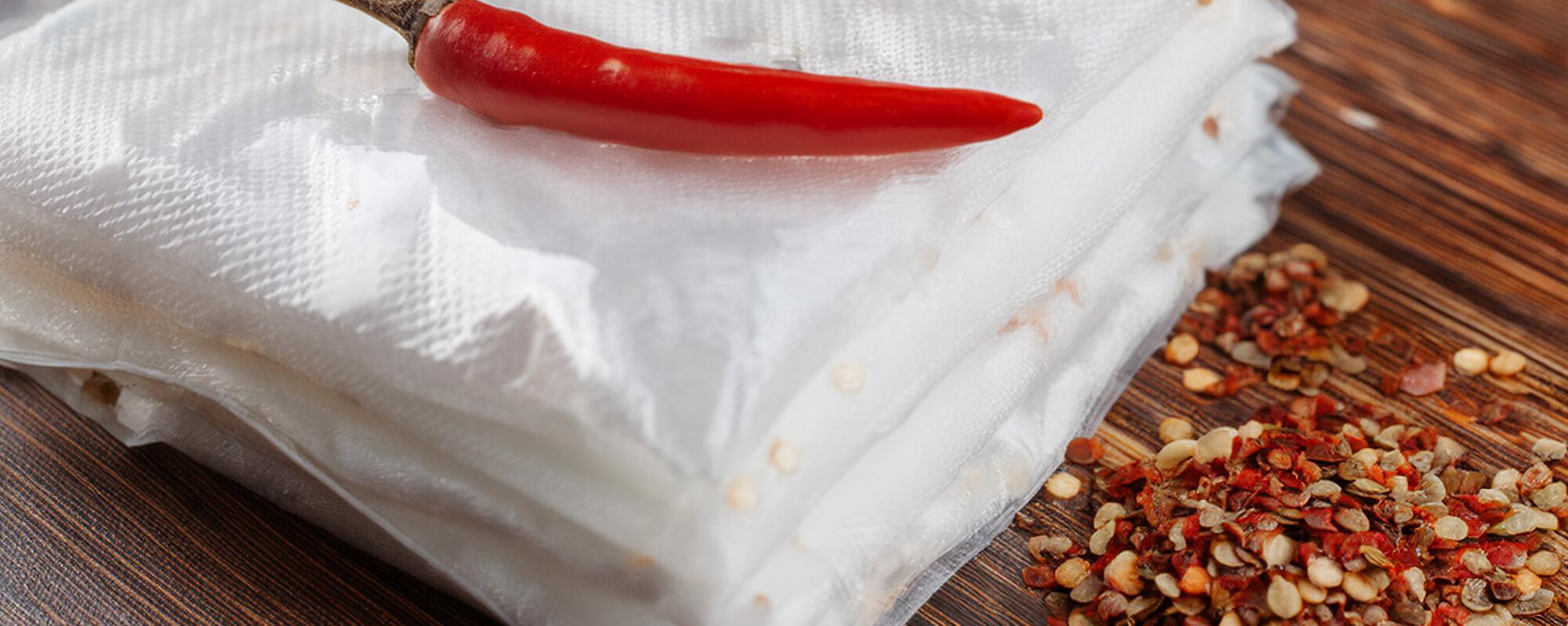
2. The paper towel method
Good if you want to see exactly what's happening, or you're testing older seed.
You'll need:
- Paper towels
- A sealable plastic bag or lidded container
Steps:
- Dampen a paper towel so it's moist, not dripping.
- Space your seeds over one half and fold the other half over the top.
- Slide it into the bag or container and seal it.
- Keep it somewhere warm. The hot water cupboard is the classic Kiwi spot, just check it daily so it doesn't cook or dry out.
- You should see tiny roots within 1 to 2 weeks.
- Once a root appears, pot the seed up straight away. Handle it by the seed, not the root.
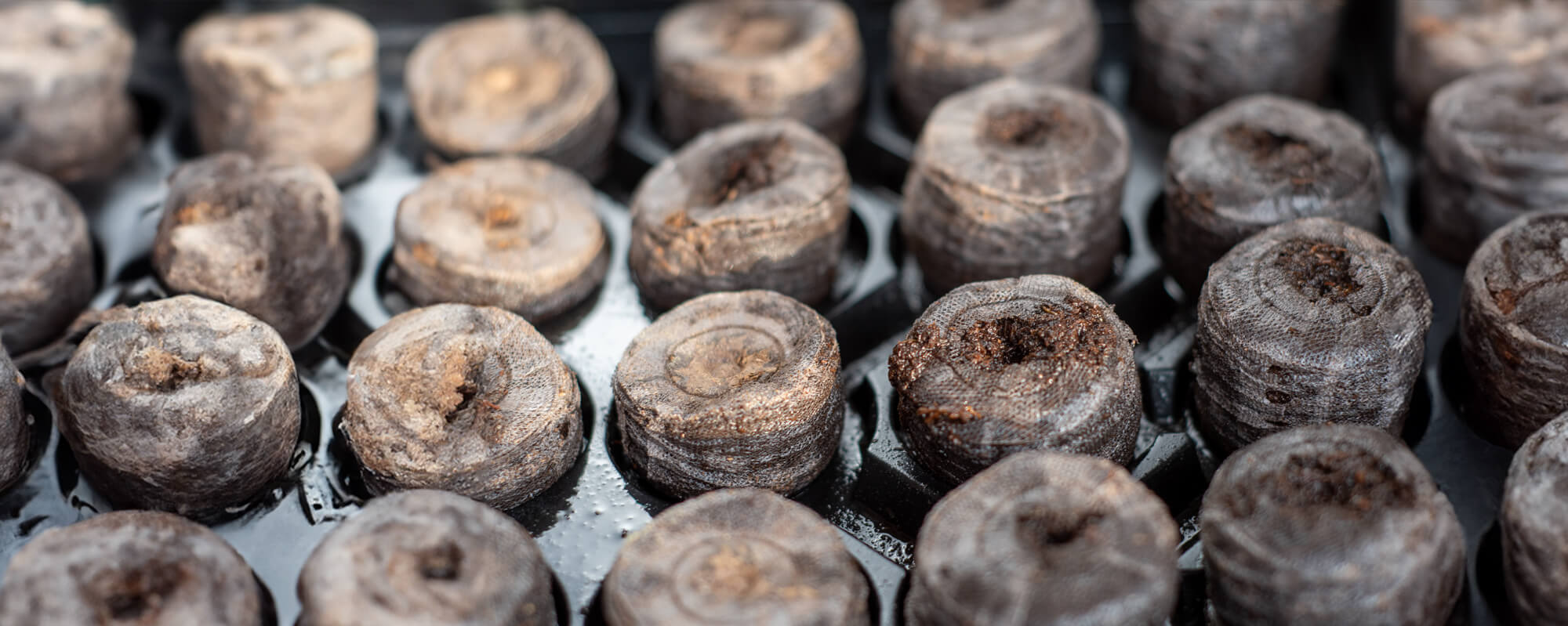
3. Peat pellets
Tidy, low-mess, and the seedling never has its roots disturbed.
You'll need:
- Peat or coir pellets (any garden centre)
- A tray to hold them
Steps:
- Soak the pellets in water until they swell up.
- Push one seed into the centre of each, about 3 to 4 mm deep.
- Keep them warm, ideally 25 to 30°C.
- Don't let them dry out. Pellets dry faster than pots.
- Once seedlings are a few centimetres tall, plant the whole pellet into a bigger pot.
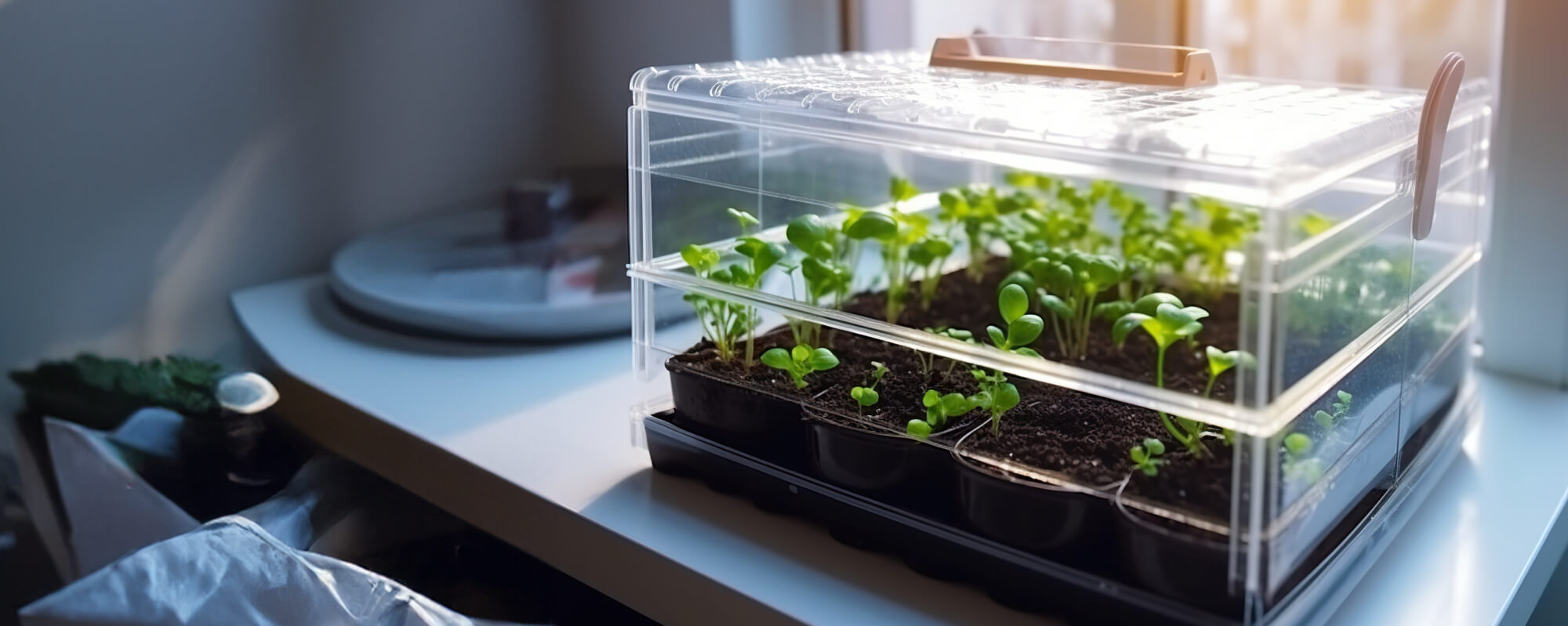
4. Heat mats and germination stations
If you're sowing early, chasing superhots, or just tired of patchy results, gentle bottom heat is the single best upgrade you can make.
You'll need:
- A heat mat or germination station
- Seed trays and seed-raising mix
Steps:
- Set up the mat or station somewhere it can run undisturbed.
- Sow seeds as per the traditional method.
- Sit the trays on the heat and follow the gear's instructions.
- Consistent warmth speeds things up noticeably. Expect results in as little as a week or two.
5. Pre-soaking
Not a method on its own, but a useful head start, especially for superhots with tough seed coats.
Steps:
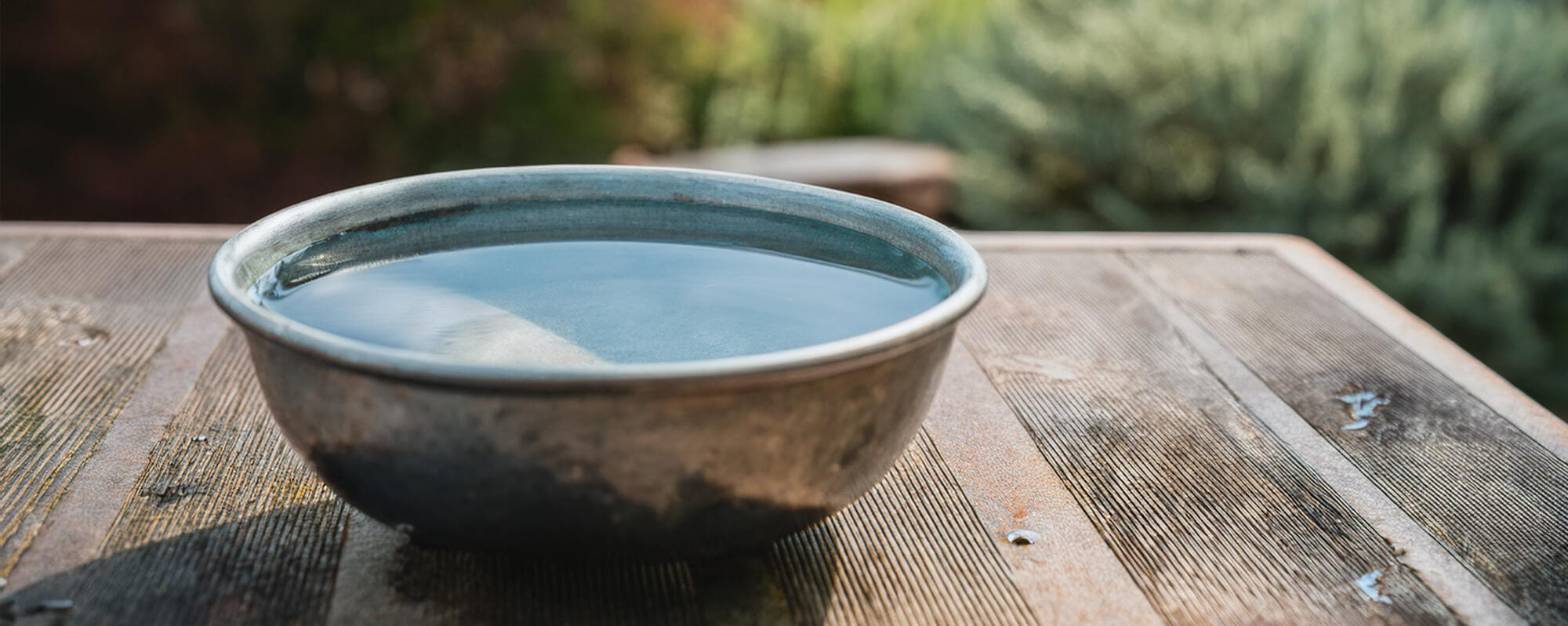
- Soak seeds in warm water for 12 to 24 hours before sowing.
- Sow using any of the methods above.
- Keep warm and moist as usual.