

Ignition Seed Company
Jalapeño Goliath Seeds
Jalapeño Goliath Seeds
Couldn't load pickup availability
General
General
Big pods, easy heat, and a plant that pulls its weight.
At Ignition Seeds we're a bit obsessed with finding chillies that earn their spot in a Kiwi garden. We hand-pick varieties that perform in NZ conditions, test for strong germination, and keep things sustainable and local. No filler varieties, no mystery seed.
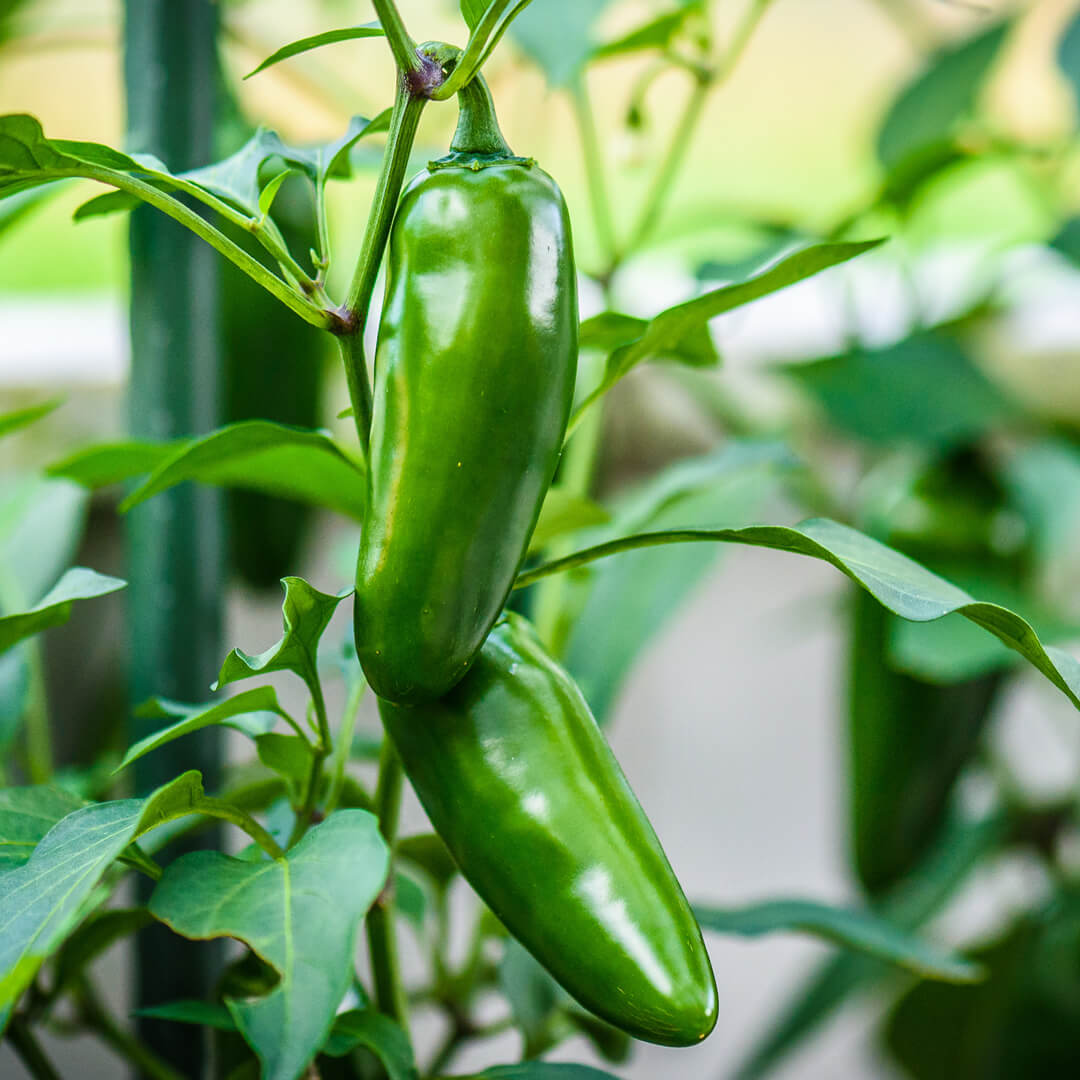
The Goliath Jalapeño is exactly the kind of chilli we love. It's a hybrid jalapeño (Capsicum annuum) bred for one thing above all: size. Where a standard jalapeño gives you a pod you can pinch between two fingers, Goliath produces broad-shouldered, thick-walled fruit commonly around 10 cm long, with some suppliers reporting pods up to 13 cm in good conditions. They start deep glossy green and ripen to bright scarlet red.
Flavour is classic jalapeño done properly. Green pods are crisp and bright, with that fresh grassy bite that makes salsa taste like summer. Leave them to ripen red and they turn noticeably sweeter and rounder, with one grower describing an almost apple-like sweetness. The walls are thick and crunchy, which is exactly what you want when you're stuffing them.
And stuffing them is rather the point. This is the popper chilli. The size that makes ordinary jalapeños fiddly to fill is Goliath's whole party trick, and it's just as happy sliced onto nachos, pickled into rings, or blitzed into a sauce.
For NZ growers it's a smart pick. The plant stays compact at roughly 45 to 70 cm, so it suits pots, small sections and windy spots better than lanky varieties. It carries useful bred-in disease resistance, crops generously through summer and autumn, and sits at a heat level the whole household can actually eat. Growing something enormous and mild turns out to be more satisfying than growing something tiny and vicious. Your dinner guests will back you on this.
Cultivation
Cultivation
Jalapeños reward an early start, and Goliath is no exception. In most of NZ, sow indoors from August to early October. Warm northern spots can start in late July with a heat pad and good light; cooler southern regions do better waiting until September so seedlings aren't sulking in the cold.
Chilli seed germinates on warmth. Aim for a steady 22 to 28°C in the mix, with around 25°C the sweet spot. Expect seedlings in one to three weeks at those temperatures, though supplier guidance varies and some quote up to four weeks, so don't panic early. Cold trays are the number one cause of "dud" seed that was never dud at all.
Here's the routine that works:
• Sow into quality seed-raising mix, about 3 to 4 mm deep.
• Water so the mix is evenly moist, never soggy. A spray bottle beats a watering can at this stage.
• Cover trays with a lid or clear bag to hold humidity, and sit them somewhere reliably warm. A heat pad is the single best investment a chilli grower can make.
• The moment seedlings emerge, get them into strong light: a sunny north-facing windowsill or a grow light. Remove the cover so air can move.
• Pot on into individual pots once the first true leaves appear.
Troubleshooting is mostly temperature and moisture. Nothing coming up? Almost always too cold; check the mix temperature, not the room. Seedlings toppling over with pinched stems? That's damping off, caused by soggy mix and still air, so ease off the water and improve airflow. Pale, stretched seedlings leaning at the window? Not enough light. Get them brighter or they'll be floppy for life.
Give Goliath warmth now and you'll have stocky, dark green plants ready to go out the moment spring settles.
Growing
Growing
Goliath wants what every chilli wants: sun, warmth and shelter. Give it the sunniest spot you've got, ideally with a wall or fence at its back, and enough space around each plant for air to move. Good airflow now saves you fungal grief in February.
Soil should be free-draining and generous. Dig in compost before planting and aim for a pH around 6.0 to 7.0, which is standard chilli territory. Gardening on heavy clay? Raised beds or containers will serve you better than fighting it.
Pots suit this variety well because the plant stays compact, roughly 45 to 70 cm depending on conditions. Use at least a 15 to 20 litre container with quality potting mix; bigger pots hold moisture more evenly and reward you with better yields. Feed fortnightly with a liquid tomato fertiliser once flowering starts, and keep watering consistent. Chillies forgive a lot, but they sulk when they swing between bone dry and waterlogged. The pods are heavy for a jalapeño, so a stake or small cage stops laden branches flopping about or snapping in a gust. Pruning isn't required, though pinching the very first flower buds on small plants pushes energy into growth first.
Now the NZ realities. Don't rush transplanting: chillies loathe cold feet, so wait until frosts are done and nights sit reliably above about 12°C. For much of the country that's late October into November, earlier in the far north, later inland and down south. Cool springs are the main handbrake, and a cloche or tunnel house buys you weeks at both ends of the season. Wind is the other one: spring gusts snap more chilli plants than frost ever kills, so shelter matters nearly as much as sun. Hunt out microclimates, like that spot against the north-facing brick wall where the cat sleeps. The cat knows.
Harvesting
Harvesting
You can harvest Goliath at two stages, and both are worth your time.
Green stage: pick when pods are deep glossy green, full-sized and firm with a bit of snap. Fine tan lines on the skin, called corking, are a badge of maturity on a jalapeño, not a flaw. Expect your first usable green pods roughly 65 to 75 days after transplanting, though NZ summers write their own schedules.
Red stage: leave pods on the plant and they ripen to bright scarlet, turning sweeter and a touch warmer. Ripe pods feel slightly softer and smell faintly fruity at the stem end.
Always cut, never yank. Chilli branches are brittle, and tugging a stubborn pod can take half the branch with it. Snips or scissors, a short stub of stalk left on the pod, done.
Picking regularly is also your yield strategy. Harvesting green pods tells the plant to keep flowering, so plants picked often will out-produce plants left to ripen everything red. Keep water and fortnightly feeding steady while pods are setting, and remove damaged fruit so the plant doesn't waste effort on it.
Post-harvest, you've got options:
• Fresh: pods hold one to two weeks in the fridge crisper.
• Freezing: whole or sliced, straight into bags. Texture softens but flavour and heat hold.
• Pickling: the classic. Rings in a simple brine live happily in the fridge for months.
• Smoking: ripe red jalapeños smoked low and slow become chipotles. Well worth the effort.
• Fermenting: green or red pods make an excellent simple hot sauce.
One note: the thick walls that make Goliath brilliant for stuffing also make it slow to air-dry whole. If you're drying, slice pods first or smoke them instead.
Heat Levels
Heat Levels
Goliath sits in the mild to medium band, which is exactly where a jalapeño should sit. Sources consistently place it in classic jalapeño territory of roughly 2,500 to 8,000 Scoville heat units, with several quoting a typical range around 3,000 to 5,000. One supplier reckons it runs a little hotter than a standard jalapeño; treat that as pod-to-pod variation rather than a promise.
If numbers don't mean much to you: it's warm enough to notice, mild enough to eat a whole stuffed pod without regret, and several rungs below anything with habanero on the label.
Why the range? Heat isn't fixed at the seed. Genetics set the ceiling, but growing conditions decide where each pod lands. A plant that's run slightly dry and baked in full sun produces noticeably hotter pods than a pampered, well-watered one. Ripeness matters too: red pods generally carry a little more warmth along with their extra sweetness. Even pods on the same plant vary, which is half the fun of growing your own.
Flavour is the real reason to grow it. Green Goliath pods taste bright, grassy and fresh, like a crisp capsicum with intent. Ripe red pods swing sweeter and fruitier, with one grower describing a sweet, almost apple-like note. Thick walls give a proper crunch that thin-fleshed chillies can't match, raw or cooked.
Who's it for?
• Beginners: yes, emphatically. Forgiving heat on a forgiving plant.
• Families: mild enough that everyone eats, warm enough to still feel like chilli.
• Popper and pickle people: this is your variety. That's the whole brief.
• Heat chasers: not your trophy chilli, but the workhorse you'll actually cook with while the superhots sit in a jar being admired.
Pests and Diseases
Pests and Diseases
The usual NZ suspects will find your chillies eventually, so it pays to know them by sight.
Aphids cluster on soft new growth, whitefly rise in little clouds when you brush the leaves (worst in tunnel houses), and spider mites thrive in hot, dry, sheltered corners, leaving pale stippling and fine webbing. Slugs and snails adore freshly transplanted seedlings. On the disease side, watch for damping off in seed trays, grey mould and powdery mildew in humid weather, and root rot in soggy soil.
Prevention beats cure every time:
• Space plants for airflow and don't overcrowd the tunnel house.
• Water at the base, in the morning, and keep foliage dry.
• Use free-draining soil or mix; chillies hate wet feet.
• Keep pots, trays and snips clean between seasons.
• Go easy on nitrogen-heavy feeds, which push the soft growth aphids love.
When something does move in, start gentle. A hard blast of water knocks aphid numbers down fast. Insecticidal soap or neem oil handles aphids, whitefly and mites; spray in the evening, cover the leaf undersides, and repeat weekly while pests persist. Yellow sticky traps help you monitor and thin whitefly. Ladybirds and hoverflies are free labour, so plant a few flowers nearby and let them work. Prune out badly infested growth and bin it rather than composting it.
Early warning signs worth a weekly look: sticky residue or black sooty film on leaves means sap-suckers are overhead; curled or puckered new growth suggests aphids; pale speckled leaves with webbing means mites; wilting despite moist soil points to root trouble below.
Goliath brings useful bred-in disease resistance, with one supplier listing tobacco mosaic virus and potato virus Y specifically. Handy insurance, but no substitute for airflow and sensible watering.
Dishes
Dishes
Goliath's size and easy heat make it one of the most usable chillies you can grow. Where to start:
Poppers, obviously. Halve, seed, fill with cream cheese, wrap in bacon and grill. Goliath's size turns a fiddly job into an easy one, and a single pod is a proper mouthful.
• Pickled rings. A simple hot brine over sliced pods gives you months of burger and nacho ammunition.
• Fresh salsa. Diced green pods, tomato, onion, coriander, lime. Summer sorted.
• On the BBQ. Stuffed pods alongside snapper fillets or sausages, or charred whole and tossed in flaky salt. Very NZ, very good.
• Jalapeño cheese scones. Diced pods folded through a cheese scone mix. Smoko will never be the same.
• Homemade chipotles. Smoke ripe red pods low and slow, then stash them in adobo sauce. Jalapeños are the chilli chipotles are made from, and homemade ones are a quiet revelation.
• Cowboy candy. Sweet-pickled candied rings that disappear off cheese boards at speed.
• Green jalapeño hot sauce. Ferment green pods with garlic and salt, then blend and bottle.
• Red jalapeño jam. Sweet, warm and dangerously good with brie.
• Guacamole and summer salads. Finely diced raw pods add crunch and gentle heat without taking over.
Handling is low-drama at this heat level, but a little sense helps. If you're processing a big harvest or slicing piles of pods for pickling, gloves save you from the classic mistake of rubbing your eye an hour later. Wash hands, boards and knives after prep, and keep cut pods off the kids' snack radar.
No extractor fans or goggles required; save that carry-on for the day you grow something silly.
Recipes
Recipes
| Heat Level: | 2,500 – 8,000 SHUs |
| Type: | Medium |
| Species: | Capsicum annuum |
| Origin: |
Mexico |
| Days to Harvest: | 65-75 days |
| Seeds per Pack: | 10+ pepper seeds |
Share