


Ignition Seed Company
Shishito (Purple) Seeds
Shishito (Purple) Seeds
Couldn't load pickup availability
General
General
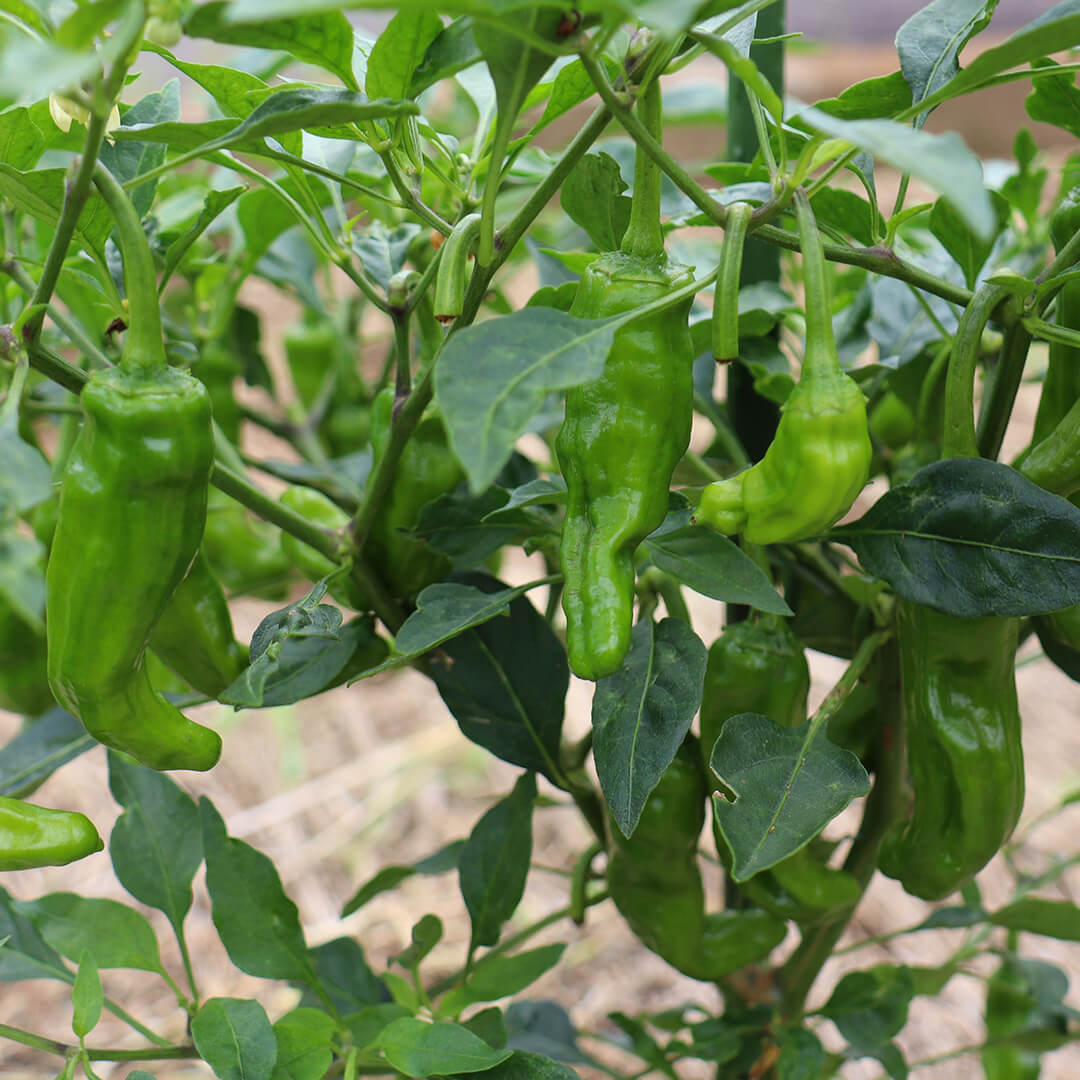
The shishito is the pepper that made blistering famous, and this is its handsome purple-tinged version. It's a mild, sweet, thin-walled Japanese classic, the kind you char in a hot pan with a little oil and salt and eat by the handful, and it comes with a built-in party trick: roughly one pod in ten packs a genuine kick, so every plateful is a mild game of chance.
The shishito hails from Japan, where it's been a staple for centuries, and its name is a mash-up of shishi (lion) and tōgarashi (chilli pepper), a nod to the way the wrinkled tip is said to resemble a lion's head. It's thought to descend from the Spanish Padrón pepper, adapted over generations in Japanese soil into the milder, sweeter chilli we know today. This purple selection adds a lovely dark blush to the classic, ripening through purple tones before red, though like all shishitos it's usually picked and eaten green.
The flavour is the whole point: fresh, grassy and slightly sweet, with a subtle smokiness that really comes alive when the thin-walled pods blister and char. It's one of the best-tasting mild peppers going, and the occasional hot one, hitting maybe Padrón or poblano level, is a pleasant surprise rather than a shock.
This one suits just about everyone. It's mild enough for the whole family, wonderfully productive, quick to crop, and ideal for containers, which makes it a brilliant beginner's pepper. And for anyone who loves blistered shishitos as a bar snack or starter, growing your own is a genuine treat.
Cultivation
Cultivation
The shishito is one of the easiest and most productive chillies you can grow, and pleasingly quick to crop, which makes it a great choice for beginners and container gardeners.
Sow seeds indoors from late August to September. You can start in July with steady warmth, but this is a fast, obliging, early-fruiting variety, so spring sowing suits it well, and it's a good pick even if your season is on the short side.
If you like, soak seeds for 12 to 24 hours before sowing to soften the coat, then pat them dry. Sow two seeds per cell, about 3 to 4 mm deep, in good seed-raising mix. Keep them consistently warm at 20 to 30°C. Annuum seeds are generally reliable and usually germinate within one to two weeks.
Keep the mix moist but never soggy. Once seedlings are up with a couple of true leaves, pot them on and keep them warm and bright.
When they reach 100 to 150mm tall and the weather has warmed properly, move them to their final home. These are compact plants, usually only 50 to 60cm tall, so they're perfect for pots and containers as well as the garden. Full sun and a bit of shelter, and they'll get on with it.
The plants are small but crop heavily, so a short stake or a bit of support helps once they're loaded with fruit.
Growing
Growing
The shishito makes a compact, bushy, spectacularly productive plant, usually just 50 to 60cm tall, with dense foliage and a heavy set of fruit. Despite its small size, it'll produce dozens of pods, so it earns its space many times over.
Pinch out the main growing tip early to encourage branching. On a plant that already crops this heavily, more branches simply means even more of those little pods.
Water consistently, keeping the soil moist but never waterlogged. Pots dry fast in a NZ summer, so check them regularly, and steady watering also keeps the plant cropping evenly.
Feed with a tomato fertiliser once flowering starts. Chillies and tomatoes want much the same things, so keep it simple.
Productivity is this plant's headline feature: the pure white flowers set fruit readily and heavily, giving you a steady, generous harvest through the season. Keep picking to keep it going, which with a shishito means keeping up with a genuine flood of pods.
Like many chillies, it can be overwintered as a perennial. Bring it somewhere frost-free, cut it back in autumn, and it'll return in spring with a head start, though shishitos crop so readily from seed that many growers simply start fresh each year.
Harvesting
Harvesting
Expect your first pods around 60 to 75 days from transplant, which is quick as chillies go and one of the real joys of this variety, especially if your season is short.
Pick them green and young, at around 5 to 7cm, when they're at their firm, crisp, best-tasting best. This is how shishitos are meant to be eaten, and picking regularly at this stage keeps the plant pumping out fruit. Left on the plant, the purple pods will darken and eventually ripen to red, turning a little softer and sweeter, which is fine for eating but loses the classic crunch.
Snip them off with scissors rather than tugging, since the branches can be brittle on a loaded plant. And pick often, because a constantly harvested shishito keeps flowering and fruiting far longer than one left to sit.
No gloves needed here. At 50 to 200 SHU there's nothing on these pods to trouble your hands, though it's worth remembering that one in ten will be hotter, so don't rub your eyes straight after prepping a big batch.
For storage, these are really best used fresh, ideally straight into a hot pan while they're crisp. They keep a few days in the fridge, and they freeze reasonably well, though the crunch softens. The thin walls also make them quick to dry for flakes if you have a glut, but blistering fresh is the whole point of growing them.
Heat Levels
Heat Levels
Let's set expectations: this is a very mild pepper, sitting at around 50 to 200 SHU. That's barely above a bell pepper and a long way below a jalapeño, more a gentle, pulsing warmth than any real spiciness, the kind most people won't register as "hot" at all.
But the shishito has a famous twist. Roughly one pod in ten runs genuinely hotter, hitting maybe 500 to 1,000 SHU, around Padrón or mild-poblano level. There's no way to tell which pod is which without tasting it, which turns a plate of blistered shishitos into a mild, fun game of chance, one of the things people love most about them.
The heat, where it appears, is influenced by growing conditions: more sun and stress tend to produce more of the hot ones. So a plateful from a hot, dry summer may spring a few more surprises than one from a mild season.
For most cooks, the near-total mildness with the occasional pleasant jolt is exactly the appeal. It's a flavour pepper first and foremost, and a friendly one for the whole household, with just enough unpredictability to keep things interesting.
Pests and Diseases
Pests and Diseases
An easygoing, productive plant with the usual short watch-list.
Aphids will go for the soft new growth in spring. A blast from the hose or a squash between the fingers handles small numbers, and ladybirds and lacewings do the rest if you let them. Whitefly can build up in a warm greenhouse, so yellow sticky traps and decent airflow keep them honest.
At the seedling stage, damping off is the main risk. Use fresh seed-raising mix, avoid overwatering, and give trays a bit of air movement. Slugs and snails will happily mow down young transplants overnight, so protect new plantings until they've toughened up.
On the disease front, most trouble is water-related. Overwatering invites root rot, and erratic watering can bring on blossom end rot, those dark sunken patches on the pod tips. Consistent moisture and free-draining mix prevent most of it, and the shishito's compact, hardy nature means it rarely gives much trouble.
Nothing here is dramatic. A well-watered, well-drained plant in a sunny spot will crop prolifically with very little fuss, which is a big part of why shishitos make such a good beginner's pepper.
Dishes
Dishes
The shishito is a cook's delight, and it does one thing so well it's become a restaurant staple the world over.
Blistering is its signature. Toss the whole pods in a screaming-hot pan or on a grill with a little oil until the skins char and blister, then finish with flaky salt. That's it. The thin walls blister in moments, the flesh turns sweet and smoky, and you eat them whole by the stem, one in ten delivering a little jolt of heat. It's one of the great simple pleasures of cooking, and a brilliant starter or bar snack.
From there, the variations flow. Serve blistered shishitos with a dipping sauce, soy and sesame, garlic aioli, or a squeeze of lime, or scatter them over rice, noodles or salads. They're superb in tempura, battered and fried light and crisp, and they take well to a quick stir-fry where their fresh flavour and gentle heat shine.
Their roomy shape makes them good for stuffing with soft cheese, too, a milder, friendlier take on a stuffed pepper. And that purple blush makes them an especially striking plateful, blistered up as a starter.
The through-line is fresh, simple, satisfying cooking. Because it's mild, the shishito is a pepper you eat in quantity for pure enjoyment, and few things are as moreish as a plate of blistered ones straight from your own plant.
Recipes
Recipes
Recipes from our kitchen using Shishito (Purple):
| Heat Level: | 50 – 200 SHUs |
| Type: | Mild |
| Species: |
Capsicum annuum |
| Origin: | Japan |
| Days to Harvest: | 60-75 days |
| Seeds per Pack: | 10+ pepper seeds |
Share


I am taking these seeds to Sweden in March so they can be planted in my family’s summer vegetable garden. Will be able to review properly in August/September next year.