

Ignition Seed Company
7 Pot Brain Strain (Red) Seeds
7 Pot Brain Strain (Red) Seeds
Couldn't load pickup availability
General
General
Red 7 Pot Brain Strain: gnarly “brain” pods with superhot intensity and chinense flavour
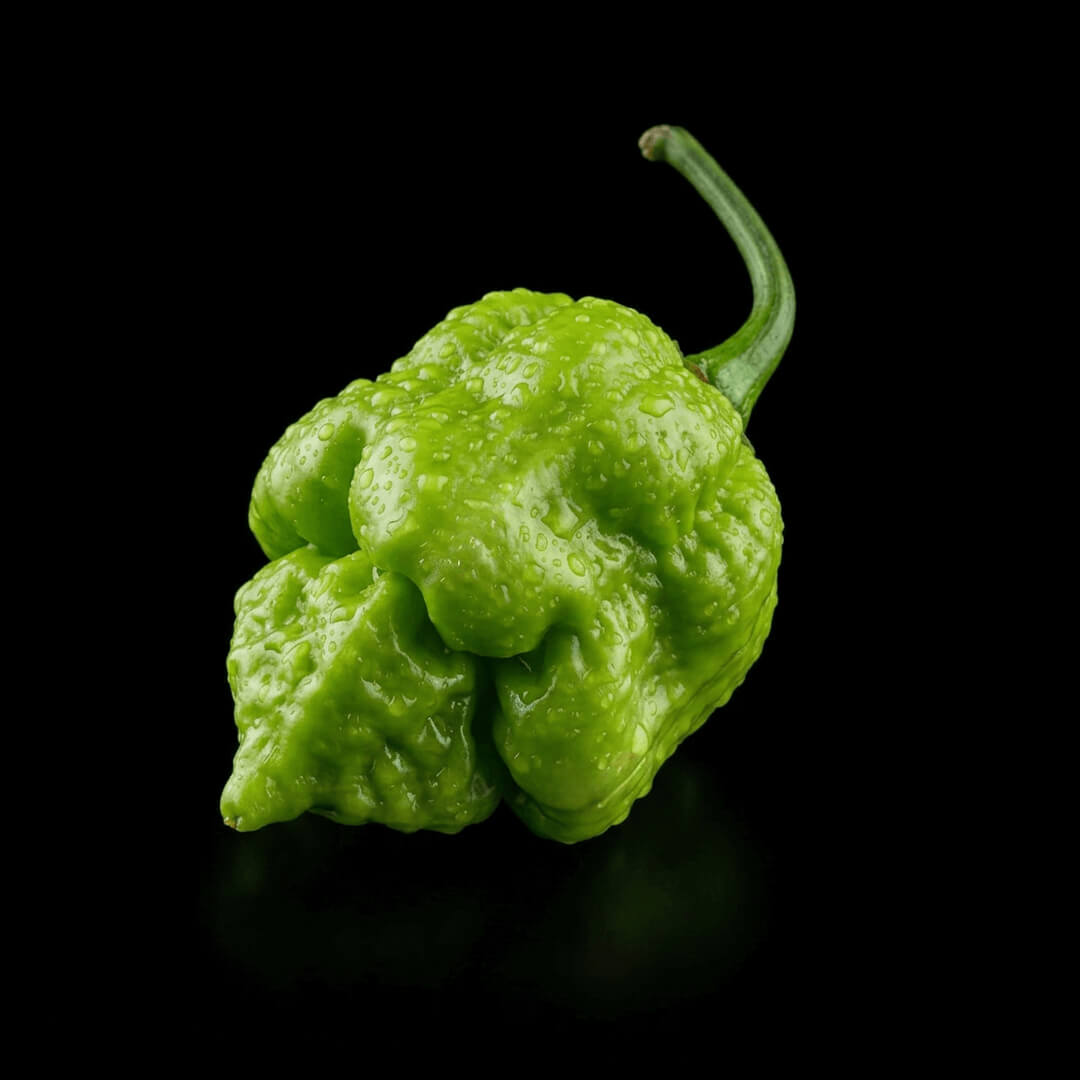
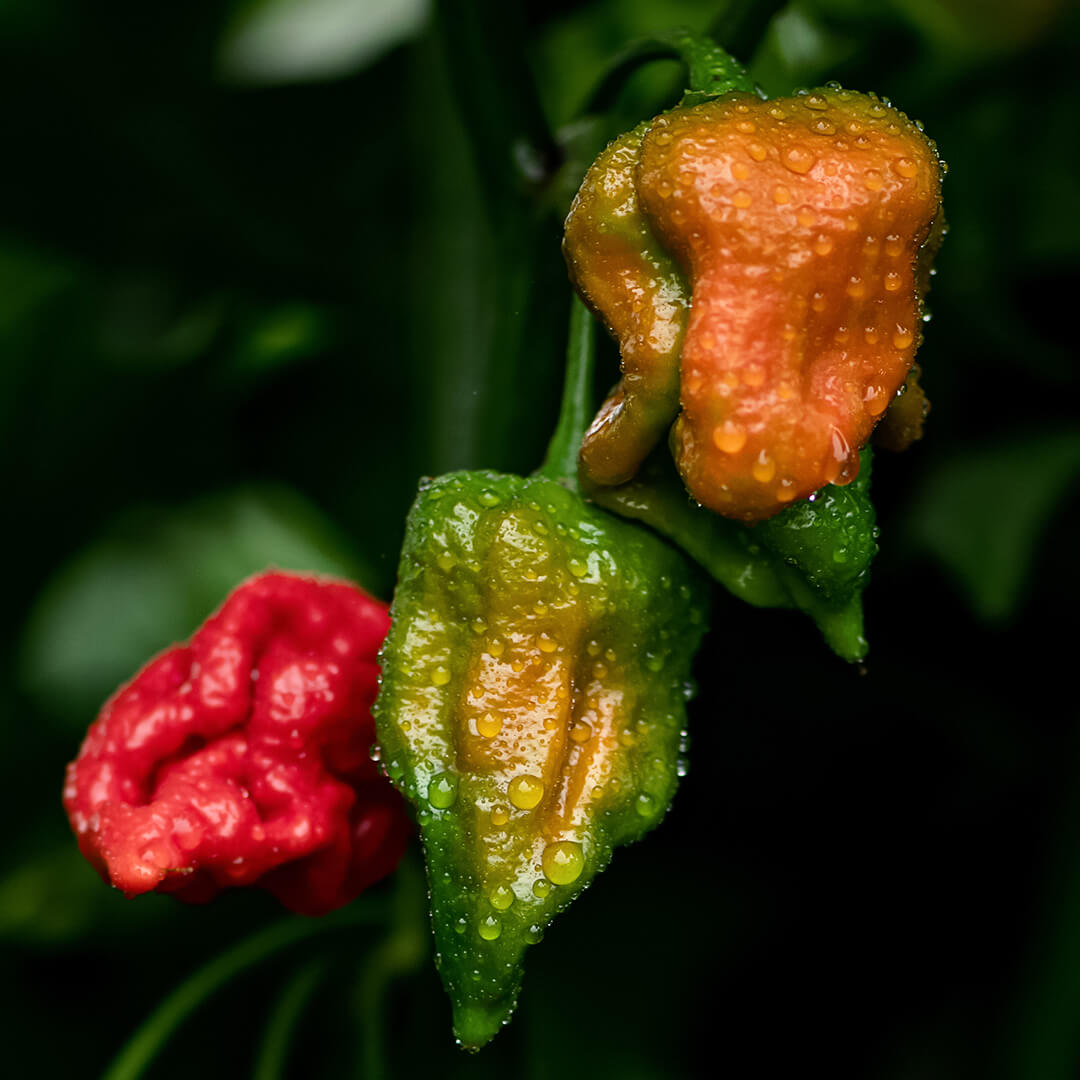
Red 7 Pot Brain Strain is a Capsicum chinense superhot bred for two things: shock-and-awe appearance and serious heat. The pods are famously bumpy and folded — genuinely brain-like — with a rugged surface that looks almost melted. It’s a collector’s chilli that also earns its keep in the kitchen, provided you treat it as a precision ingredient.
Under the heat, this variety is commonly described as having a fruity chinense aroma — the kind of tropical, perfumed character you get from many of the world’s hottest peppers. That’s why it’s so useful for sauces and ferments: you’re not just making something hotter, you’re making something more aromatic and complex. It’s also why this chilli suits preserving methods that capture flavour, such as fermentation and dehydration.
In the garden, Brain Strain is a proper project chilli. It wants a warm start, steady growth, and protection from cool snaps — all the things that can be a challenge in NZ if you leave sowing too late. Get the timing right and you’ll be rewarded with a harvest that’s high-impact: a small number of pods can power an entire season of sauces, rubs and powders.
Why it’s worth growing in NZ (for experienced growers):
• Iconic, gnarly pods that look like nothing else.
• Extreme heat for micro-dose cooking and preserving.
• Chinense aroma that shines through sauces and ferments.
• Big pantry value: a modest harvest lasts months.
If you want a superhot that’s both a trophy grow and a serious ingredient, Red 7 Pot Brain Strain is the one.
Cultivation
Cultivation
Red 7 Pot Brain Strain is a chinense superhot, so your goal in NZ is to maximise season length with a strong indoor start. Warmth and consistency matter more than anything else.
NZ-appropriate sowing window (indoors)
• Late August–September: ideal for most NZ regions
• September–early October: cooler regions (use a heat mat and strong light)
• July–August: only if you can provide stable warmth plus strong grow light (otherwise seedlings often stall)
Germination temperature range
Aim for 25–30°C at the seed-mix level. Chinense types commonly germinate poorly when nights cool down, so stable warmth day and night is the secret weapon.
Typical germination time
Expect 14–28 days, sometimes longer if temperatures fluctuate. If you’re seeing slow germination, it’s usually temperature inconsistency or overly wet mix.
Seed-starting steps
• Use a fine, free-draining seed-raising mix in cell trays or small pots.
• Sow 5–8 mm deep; pre-moisten the mix so it’s evenly damp.
• Cover for humidity early, but vent daily to prevent damping-off.
• Keep warmth constant (a thermostat heat mat is ideal).
• Provide bright light immediately after emergence to prevent legginess.
• Pot up when plants have several true leaves and roots begin filling the cell.
Troubleshooting
• Slow/no germination: stabilise warmth first — it’s almost always the issue.
• Seedlings collapsing: mix too wet + stale air; vent more, water from below.
• Leggy seedlings: light too weak or too far away; increase intensity and reduce distance.
Superhots are long-season plants. In NZ, an extra few weeks of healthy early growth often decides whether you get a handful of green pods — or a properly ripe, red superhot harvest.
Growing
Growing
This variety thrives when you treat it like the tropical chinense it is: sun, warmth, shelter and consistency, with a root zone that never sits cold and wet.
Sun, shelter, airflow
• Aim for 6–8+ hours of sun daily.
• Prioritise wind shelter (courtyard, fence line, north-facing wall). Wind-chill can slow growth and cause flower drop.
• Maintain airflow so foliage dries quickly after rain.
Soil guidance (including pH)
Peppers generally perform best in fertile, free-draining soil around pH 6.0–6.8. If you’re not testing pH, focus on structure: compost for organic matter and drainage so roots never sit wet.
Pot vs ground
• Pots (often best in NZ): aim for 25–40 litres. Bigger pots reduce watering swings and support a long season.
• In-ground: choose your warmest bed; raised beds help if soil holds water.
Feeding, watering, staking/pruning
• Water deeply, then let the top couple of centimetres dry slightly before watering again. Avoid “drought then flood”.
• Feed lightly while establishing; once flowering begins, shift to a fertiliser that supports fruiting.
• Plants can become heavy with pods; staking is worthwhile in breezy sites.
• Minimal pruning is needed; remove damaged leaves and lightly open crowded centres for airflow.
NZ-specific considerations
Transplant outdoors only after frost risk has passed and nights are reliably mild. In cooler microclimates, containers are your advantage — you can move plants to warmth during cold snaps and extend the season late into autumn. If you want full red ripeness, protect the plant late-season and keep feeding/watering steady so fruit continues to mature rather than stalling.
Harvesting
Harvesting
With Brain Strain, harvesting is about ripeness, safe handling, and preserving. These pods are powerful — treat them accordingly.
Ripeness cues
Pods typically mature from green to deep red, often with pronounced folding and a rugged, brain-like surface. Look for:
• Full red colour coverage
• Firm pods (not soft or collapsing)
• Strong chinense aroma when gently rubbed
How to pick without damaging the plant
• Use snips/secateurs and cut with a short stem attached.
• Support branches while cutting; loaded chinense plants can snap if tugged.
How to maximise yield
• Harvest ripe pods regularly to encourage continued flowering.
• Keep watering consistent during heavy fruiting; big swings can trigger flower drop.
• Continue light feeding through summer if plants are still setting pods.
Post-harvest handling
This variety is built for the pantry:
• Freezing: portion whole pods or chopped pieces into labelled bags for controlled future use.
• Drying: dehydrate until brittle; store airtight away from light; grind with strong ventilation.
• Fermenting: ideal for hot sauce bases; the fruity aroma often carries through.
• Flakes/powder: incredibly efficient seasoning; label clearly and store securely.
Safety basics
• Wear gloves when harvesting and cutting.
• Avoid touching eyes/face; wash hands, knives and boards thoroughly.
• Take care when dehydrating or grinding: chilli dust travels and lingers.
A smart approach is to process most of your crop into sauce, powder, or freezer portions. That keeps use consistent — and makes the harvest last.
Heat Levels
Heat Levels
Red 7 Pot Brain Strain is extreme — squarely in the superhot category — with a heat that can feel deep and long-lasting.
Scoville guidance
Sources are not consistent enough to present one definitive SHU number. Many references place it broadly in the ~800,000 to 1,350,000 SHU range, while some sellers and articles claim higher figures. The safest and most honest guidance is:
• Treat it as a superhot around 800,000–1,350,000+ SHU, with higher claims varying by seed line and growing conditions.
Why heat varies
• Genetics/phenotypes (different lines sold under the same name)
• Season warmth and sunlight
• Watering stress and plant health
• Ripeness at harvest
• Pod-to-pod variation
Flavour descriptors beyond “hot”
Under the heat, it’s commonly described as fruity and aromatic in the chinense style — the flavour that makes superhots worth growing for sauce and fermentation rather than novelty.
Who it’s for
• Beginner: not recommended.
• Confident chilli cooks: yes, with strict portion control.
• Sauce makers/fermenters: ideal — huge impact and strong aroma base.
• Collectors: absolutely — iconic appearance and serious performance.
If you want a chilli that’s as visually outrageous as it is intense, Brain Strain delivers.
Pests and Diseases
Pests and Diseases
Superhots do best in warm, sheltered NZ spots — and those same conditions can encourage pests. Prevention and early action keep plants productive.
Common chilli issues
• Aphids: curled new tips, sticky honeydew
• Whitefly: tiny insects that flutter up when disturbed
• Spider mites: speckling and dull leaves; webbing in heavy infestations (often under cover)
• Fungal issues: encouraged by wet foliage and low airflow
• Root rot: poor drainage + overwatering, especially during cool spells
Prevention first
• Grow in sun with good airflow; don’t crowd plants.
• Water the soil, not the leaves.
• Use free-draining pot mix and ensure pots never sit in water.
• Inspect weekly: leaf undersides and new tips are where pests start.
Organic controls
• Insecticidal soap for aphids/whitefly/mites (repeat applications often needed).
• Neem-based products can help with sucking pests; follow label directions.
• Yellow sticky traps to monitor flying pests like whitefly.
• Prune off heavily infested tips and dispose of them.
Warning signs to spot early
Sticky residue or ants (often aphids), speckled leaves (mites), and sudden wilting in wet soil (drainage issue). With Brain Strain, root health is everything: stable moisture and excellent drainage keep growth moving, which supports flowering and late-season ripening — the hardest part of superhots in NZ.
Dishes
Dishes
Brain Strain is a micro-dose chilli. One pod can power an entire batch of food — so think sauces, ferments and seasonings.
10 dish ideas
• Fermented superhot sauce: chilli + garlic; add carrot for body and sweetness.
• Vinegar hot sauce: vinegar + onion + a tiny amount of pod for depth.
• BBQ (NZ-friendly): micro-dice into a honey–soy glaze for wings or pork ribs.
• Burger sauce: a pinhead amount blended into mayo with lemon and smoked paprika.
• Chilli salt: dried powder blended into flaky salt (label clearly).
• Spice rubs: a whisper of powder in BBQ rubs for brisket or pork shoulder.
• Pickle brine booster: one small piece heats an entire jar.
• Stew depth: add a small piece to chilli or beans, remove later.
• Chilli oil (carefully): use dried flakes for control, then strain.
• Finishing dust: a tiny sprinkle over roast veg or grilled meats.
Safe handling tips
• Wear gloves for cutting and blending.
• Use strong ventilation when drying or grinding.
• Keep powders clearly labelled and stored securely; avoid cross-contamination.
Used responsibly, Brain Strain creates premium, high-impact pantry staples — a small bottle of sauce or jar of powder that transforms meals in seconds.
| Heat Level: | 1,200,000 - 1,800,000 SHUs |
| Type: |
Super Hot |
| Species: | Capsicum Chinense |
| Origin: | Trinidad and Tobago |
| Days to Harvest: | 100+ days |
| Seeds per Pack: | 10+ pepper seeds |
Share