


Ignition Seed Company
Peter Pepper (Red) Seeds
Peter Pepper (Red) Seeds
Couldn't load pickup availability
General
General
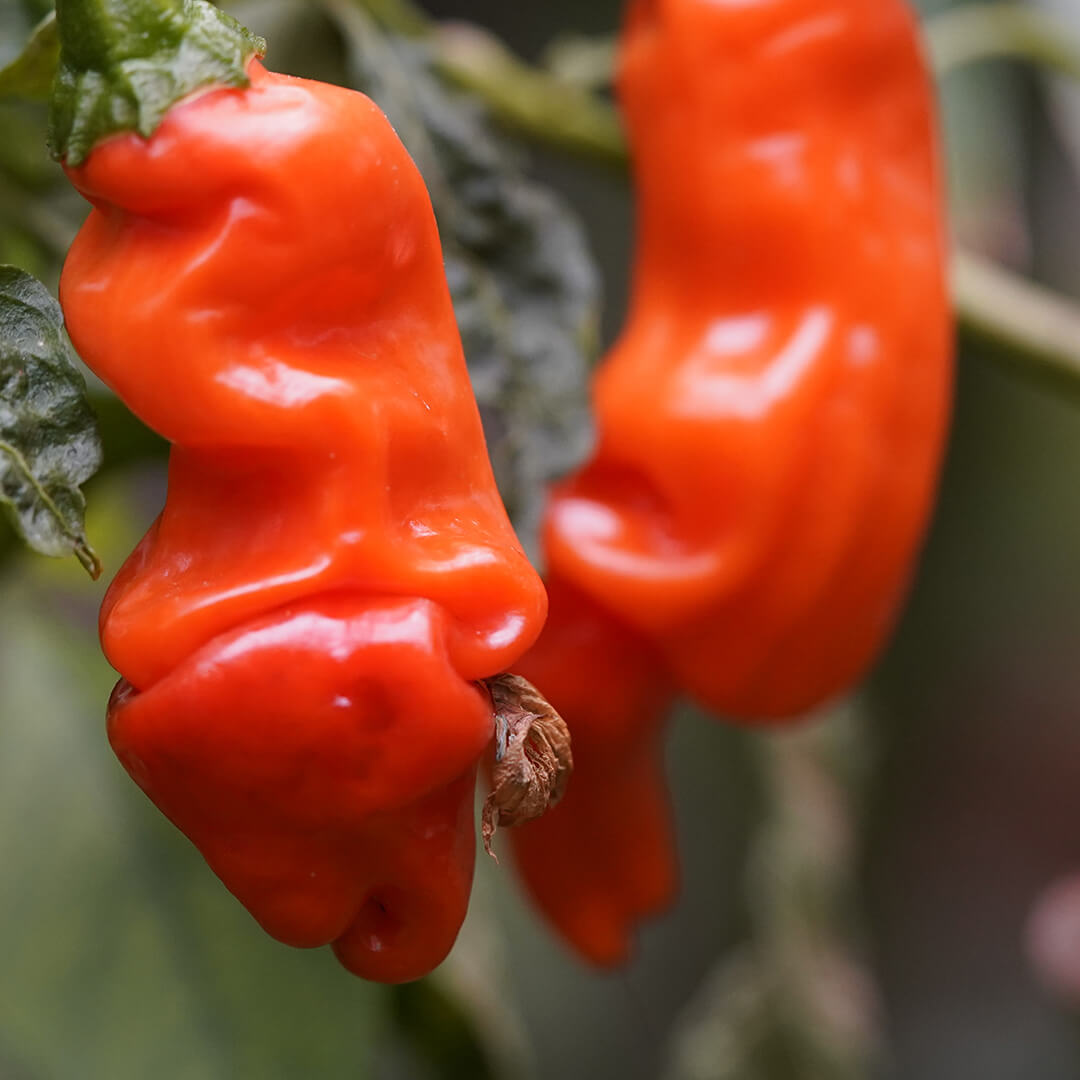
Let's address the obvious: yes, it's shaped like that. The Peter Pepper is famous the world over for its, ahem, distinctive form, an heirloom so cheekily suggestive it once got voted "most pornographic pepper" by a gardening magazine. It's the ultimate conversation-starter in the garden, and the giggle is half the reason people grow it.
But here's the thing the novelty tends to overshadow: it's a genuinely good chilli. Get past the shape and you've got a proper medium-hot pepper, sitting right around serrano level, with a bright, fruity, faintly sweet flavour that deepens nicely as the pods ripen from green to a shock of red. It's a real cooking chilli that happens to look ridiculous.
An American heirloom, the Peter Pepper's exact origins are pleasantly murky, most associated with East Texas, Louisiana and Tennessee, and it's a rare variety you won't find on a supermarket shelf. The red version ripens to a glossy, vivid red and carries the fullest flavour of the family.
This one suits anyone with a sense of humour and a use for a good medium chilli. It's productive, easy to grow, hot enough to be genuinely useful in the kitchen, and guaranteed to raise eyebrows at the next garden tour. Grow it for the laughs, keep it for the salsa.
Cultivation
Cultivation
As an annuum, the Peter Pepper is straightforward and rewarding to grow, and quicker off the mark than the superhots, so it's a good one for less patient growers.
Sow seeds indoors from late August to September. You can start in July with steady warmth, but there's less urgency than with the slow chinense types, so spring sowing suits it well.
If you like, soak seeds for 12 to 24 hours before sowing to soften the coat, then pat them dry. Sow two seeds per cell, about 3 to 4 mm deep, in good seed-raising mix. Keep them consistently warm at 20 to 30°C. Annuum seeds are generally obliging and usually germinate within a week or two.
Keep the mix moist but never soggy. Once seedlings are up with a couple of true leaves, pot them on and keep them warm and bright.
When they reach 100 to 150mm tall and the weather has warmed properly, move them to their final home, in the ground or a pot of 15 to 20 litres or so. Full sun and a bit of shelter, and they'll get on with it. It's an adaptable plant that copes with a range of conditions.
The plant grows to around 60 to 90cm and crops well, so a stake keeps it upright once it's carrying a load of those unmistakable pods.
Growing
Growing
The Peter Pepper makes a productive plant of around 60 to 90cm, and it yields nicely, with a single plant capable of producing dozens of pods in a season.
Pinch out the main growing tip early to encourage branching. More branches means more of those famous pods and a bushier plant to carry them.
Water consistently, keeping the soil moist but never waterlogged. Pots dry fast in a NZ summer, so check them regularly, and steady watering also heads off blossom end rot on the pods.
Feed with a tomato fertiliser once flowering starts. Chillies and tomatoes want much the same things, so keep it simple.
It's a reliable, adaptable cropper, and those novelty pods hanging from the plant are half the fun. Keep picking to keep it productive through the season.
Like many chillies, it can be overwintered as a perennial. Bring it somewhere frost-free, cut it back in autumn, and it'll return in spring with a head start on anything grown from seed.
Harvesting
Harvesting
Expect your first ripe pods around 90 to 100 days from transplant, which is reasonably quick, and one of the perks of a medium annuum.
The pods start green and ripen to a glossy, shock-me red, developing their fullest flavour as they colour up. Pick them fully red for the best of that fruity, sweet-edged taste, when they come away with a gentle tug. Snip rather than pull to protect the branches.
At 10,000 to 23,000 SHU this is a properly hot pepper, so gloves are a sensible idea once you start slicing, and it's worth washing your hands well afterwards. It's not superhot territory, but it's hot enough to leave a sting if you rub your eyes.
Keep picking regularly to keep the plant flowering and fruiting. The more you harvest, the more it produces.
For storage, you've got options. The pods freeze well whole or chopped, which is a handy way to keep them year-round. They also dry nicely for flakes and powder, keeping for months in an airtight jar away from light. Fresh pods hold a week or so in the fridge, and they're excellent worked into salsas and sauces.
Heat Levels
Heat Levels
Make no mistake, behind the silly shape is a properly hot chilli, sitting at around 10,000 to 23,000 SHU. That's a solid medium heat, squarely in serrano territory, and comfortably hotter than a jalapeño, up to several times over. In fact, the rule of thumb is that the mildest Peter Pepper roughly equals the hottest jalapeño.
What makes it worth cooking with is that the heat comes with genuine flavour. The taste is bright and vegetal like a jalapeño but fruitier and a touch sweeter, and it deepens as the pods ripen to red. The heat builds steadily rather than hitting all at once, arriving just as the fruity flavour comes through.
As always, individual pods vary. Heat shifts with the season, the sun and how the plant was grown, and a long hot summer generally produces fiercer pods than a cool damp one. Some growers report pods hotter than the books suggest, so treat each one with a little respect until you know it.
Handle it sensibly: gloves once you're slicing, and keep the pods away from eyes. Used with a measured hand, it brings a fruity, serrano-level kick that makes it a genuinely useful cooking chilli, whatever you think of its looks.
Pests and Diseases
Pests and Diseases
An easygoing, adaptable plant with the usual watch-list.
Aphids will go for the soft new growth in spring. A blast from the hose or a squash between the fingers handles small numbers, and ladybirds and lacewings do the rest if you let them. Whitefly can build up in a warm greenhouse, so yellow sticky traps and decent airflow keep them honest.
At the seedling stage, damping off is the main risk. Use fresh seed-raising mix, avoid overwatering, and give trays a bit of air movement. Slugs and snails will happily mow down young transplants overnight, so protect new plantings until they've toughened up.
On the disease front, most trouble is water-related. Overwatering invites root rot, and erratic watering can bring on blossom end rot, those dark sunken patches on the pod tips. Consistent moisture and free-draining mix prevent most of it.
Nothing here is dramatic. The Peter Pepper is an adaptable, forgiving grower, and a well-watered, well-drained plant in a sunny spot will crop happily all season.
Dishes
Dishes
Once the giggling stops, the Peter Pepper turns out to be a genuinely useful cooking chilli, and its fruity, serrano-level heat suits all sorts of dishes.
Fresh salsa is where it shines. That bright, fruity flavour and solid medium heat make it superb in a pico de gallo or a cooked salsa, and the red pods bring both colour and kick. It's a natural in Tex-Mex and Cajun cooking, and works a treat as part of the "holy trinity" base for gumbos, soups and stews.
Hot sauce is another strong option. The fruity heat makes a lively sauce, on its own or blended with tomato or fruit, and it responds well to fermenting or pickling, which deepens the flavour nicely.
Dried and ground, it makes a fruity, medium-hot flake or powder that's a great all-purpose seasoning, ideal for anyone who wants a bit of bite without going superhot. Roasting the pods first, after de-seeding, deepens and enriches the flavour beautifully.
The through-line is that it's a proper chilli, not just a gag. Use it wherever you'd use a serrano or a hot jalapeño, and it'll bring fruity warmth and real flavour to the plate. The fact that it looks like that is just a bonus at dinner parties.
Recipes
Recipes
| Heat Level: | 10,000 – 23,000 SHUs |
| Type: |
Medium |
| Species: | Capsicum annumm |
| Origin: |
USA |
| Days to Harvest: | 90-100 days |
| Seeds per Pack: | 10+ pepper seeds |
Share


Commutations was good hasn’t sow the seed yet.
The guys at Ignition were awesome in responding to my questions, seeds arrived swiftly and are now tucked up hopefully to germinate soon!
Beautifully packaged seeds which arrived promptly.
Many thanks.