

Ignition Seed Company
Peri Peri Seeds
Peri Peri Seeds
Couldn't load pickup availability
General
General
Behind every good peri peri sauce is this little pepper. The Peri Peri, also known as the African Bird's Eye, piri piri or pili pili, is the small, fiery chilli at the heart of African and Portuguese cooking, and the fruity, tangy fire in the famous sauce that bears its name. Small pod, serious flavour.
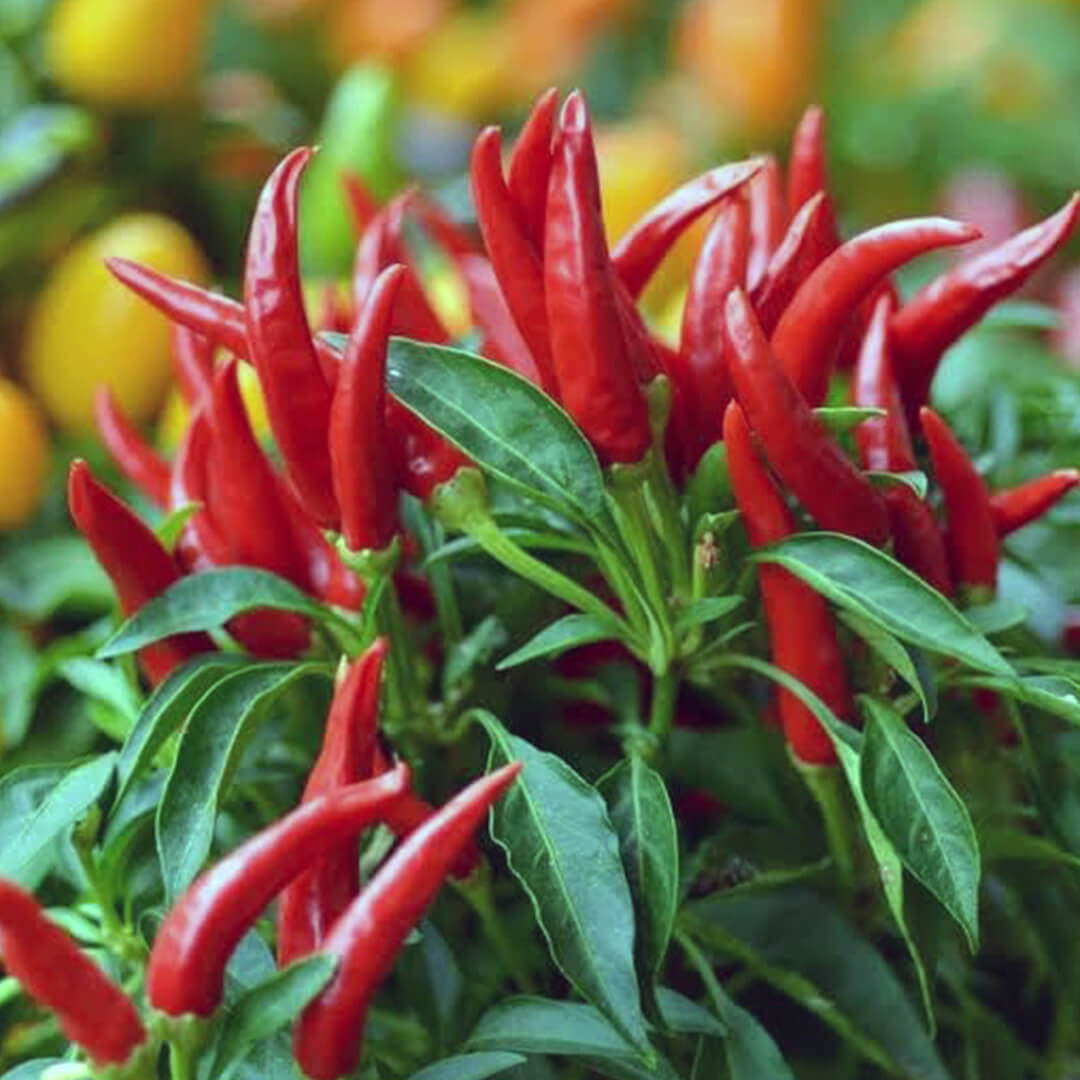
Native to southeastern Africa, where it grows wild and has been cultivated for centuries, the Peri Peri is a Capsicum frutescens, the same species as the Tabasco, with the upright-pointing pods and compact, bushy habit typical of that group. The name comes from pili-pili, Swahili for pepper, and the variations in spelling reflect how the pepper passed through African and Portuguese hands. The small, tapering pods, usually around 1 to 2.5cm, ripen from green to a brilliant red.
The flavour is a big part of the appeal: bright, fruity and tangy, with a distinctly African character, and a heat that develops quickly and subsides just as fast. That quick-in, quick-out quality is exactly what makes it so good for cooking, delivering a genuine hit of spice without the lingering, throat-gripping burn of a chinense. It's often called the hottest of the bird's eye peppers and the hottest widely grown chilli outside the chinense family.
This one's for the sauce maker and the cook who loves proper, usable heat with real flavour. It's the authentic ingredient for peri peri sauce and peri peri chicken, brilliant in marinades and hot oils, and a productive, ornamental plant to grow. Just handle it with the respect a properly hot little chilli deserves.
Cultivation
Cultivation
As a frutescens, the Peri Peri is a rewarding grower, though it likes a good warm season to ripen its many little pods, so give it a decent start in NZ.
Sow seeds indoors from late August to September. You can start in July with steady warmth, which gives the long cropping season plenty of runway. Frutescens seeds can be a little slower than annuums to get going, so a bit of patience helps.
If you like, soak seeds for 12 to 24 hours before sowing to soften the coat, then pat them dry. Sow two seeds per cell, about 3 to 4 mm deep, in good seed-raising mix. Keep them consistently warm at 20 to 30°C. A heat pad helps get frutescens seeds moving evenly.
Keep the mix moist but never soggy. Once seedlings are up with a couple of true leaves, pot them on and keep them warm and bright.
When they reach 100 to 150mm tall and the weather has warmed properly, move them to their final home, in the ground or a pot. These plants can get bushy and reasonably tall in a good season, so a decent-sized pot and a stake are worth it. Full sun and a bit of shelter suit them well.
Being a wild African native, the Peri Peri is resilient and thrives in warmth. It's a true perennial and can live for several years in a frost-free spot, becoming a substantial, heavy-cropping plant, so a permanent home pays off.
Nothing come up yet? Read why chilli seeds can be slow to germinate.
Growing
Growing
The Peri Peri makes a bushy, vigorous, productive plant with those characteristic upright-pointing pods, and it can get sizeable in a good season. A stake helps once it's carrying a heavy crop of little pods.
Pinch out the main growing tip early to encourage branching. More branches means more of those little pods, and on a productive plant like this that adds up fast.
Water consistently, keeping the soil moist but never waterlogged. Pots dry fast in a NZ summer, so check them regularly, and steady watering also heads off blossom end rot.
Feed with a tomato fertiliser once flowering starts. Chillies and tomatoes want much the same things, so keep it simple.
Heat and sun are what this African native runs on: the warmer and sunnier its position, the better it grows and crops. It's resilient and productive once established, giving a long, generous harvest of small, fiery pods. Keep picking to keep it cropping.
Being a true perennial, it's well worth overwintering. Bring it somewhere frost-free, cut it back in autumn, and it'll return in spring as an established plant with a real head start, cropping more heavily in its second and third years.
Harvesting
Harvesting
Expect your first ripe pods around 90 to 120 days from transplant, after which the plant will keep producing steadily for months.
The pods start green and ripen to a brilliant red, and while they can be used green, they're at their fruity, tangy best fully red. Pick them when they've coloured up, snipping rather than tugging since the little branches are easily damaged. And pick regularly, both to keep the plant productive and because in a good season the pods keep coming thick and fast.
Given the heat, gloves are a sensible idea when handling them in quantity, especially prepping a batch for sauce. At up to 175,000 SHU there's real capsaicin here, and the oil lingers on skin for hours, so glove up, keep your hands away from your eyes, and wash boards and knives well afterwards.
For storage, the Peri Peri is versatile. It's superb made fresh into sauce, of course, but it also dries well, the small pods drying quickly and keeping for months in an airtight jar away from light, ready to crush into flakes or grind to a fiery powder. Fresh pods keep a week or so in the fridge, and they freeze brilliantly whole, ready to use straight from frozen.
Heat Levels
Heat Levels
Make no mistake, this little pod is properly hot, sitting at around 50,000 to 175,000 SHU. That's a serious, wide-ranging heat, roughly 10 to 35 times hotter than a jalapeño, putting it well above the everyday chillies but a step below the habaneros and Scotch Bonnets. It's often cited as the hottest widely grown chilli outside the chinense family, and the Ugandan strains in particular can push the top of that range.
What sets the Peri Peri's heat apart is its timing: it develops quickly and fades quickly, a sharp, bright hit rather than the slow-building, long-lingering burn of a chinense. For a lot of cooks that's the ideal, giving you a genuine punch of spice that doesn't outstay its welcome, so you can actually taste the next mouthful.
And there's real flavour under the fire: bright, fruity and tangy, with that distinctive African character, which is exactly what makes peri peri sauce so much more than just heat. As always, individual pods vary with the season, the sun and the plant, and a long hot summer generally produces fiercer pods.
Handle it with sensible respect: gloves for prepping a batch, keep it away from eyes, kids and pets, and go carefully when adding it to a dish. A little goes a long way, and it's easy to underestimate a chilli this small.
Pests and Diseases
Pests and Diseases
An easygoing, resilient plant with the usual watch-list.
Aphids will go for the soft new growth in spring. A blast from the hose or a squash between the fingers handles small numbers, and ladybirds and lacewings do the rest if you let them. Whitefly can build up in a warm greenhouse, so yellow sticky traps and decent airflow keep them honest.
At the seedling stage, damping off is the main risk. Use fresh seed-raising mix, avoid overwatering, and give trays a bit of air movement. Slugs and snails will happily mow down young transplants overnight, so protect new plantings until they've toughened up.
On the disease front, most trouble is water-related. Overwatering invites root rot, and erratic watering can bring on blossom end rot, those dark sunken patches on the pod tips. Consistent moisture and free-draining mix prevent most of it, and as a hardy wild native, the Peri Peri is a tough, resilient plant.
Nothing here is dramatic. A well-watered, well-drained plant in a sunny spot will crop prolifically and reliably, often for several years, with very little fuss.
Dishes
Dishes
The Peri Peri is a sauce-maker's chilli above all, and its bright, fruity, quick heat makes it a joy to cook with.
Peri peri sauce is the obvious calling. This is the pepper behind the famous sauce, blended with garlic, lemon, vinegar, herbs and oil into that tangy, fiery condiment that's a staple across Portuguese-speaking Africa and beyond. And peri peri chicken, marinated and grilled with that sauce, is the dish it's most loved for, one of the great things you can do with a chilli.
Beyond the classics, it shines in marinades and hot rubs, its fruity fire ideal for chicken, seafood and game. Whole pods go into soups and stews to lend bold, bright heat, where a little goes a long way. And it makes an excellent hot oil or infused vinegar, preserving that quick, fruity spice for drizzling over almost anything.
Dried and ground, it makes a fiery, fruity flake or powder that's a superb finishing spice, brilliant crushed over grilled meat, salads or roast vegetables. And its upright, colourful pods make it ornamental enough to earn a spot on the deck as well as in the kitchen.
The through-line is bright, quick, usable heat with genuine African flavour. Whether you're making the sauce, marinating chicken, or just after a fruity chilli that punches hard and fades fast, the Peri Peri is the authentic article.
Recipes
Recipes
| Heat Level: | 50,000 - 175,000 SHUs |
| Type: | Hot |
| Species: |
Capsicum frutescens |
| Origin: | Africa |
| Days to Harvest: | 90-120 days |
| Seeds per Pack: | 10+ pepper seeds |
Share