

Ignition Seed Company
Jalapeño (Purple) Seeds
Jalapeño (Purple) Seeds
Couldn't load pickup availability
General
General
Everyone knows the jalapeño, and this is that trusty favourite with a gorgeous twist. The Purple Jalapeño gives you all the reliable, medium heat and fresh, grassy flavour of the classic, plus the bonus of beautiful deep-purple pods that make it as ornamental as it is useful. A brilliant, easy chilli that looks a treat while it grows.
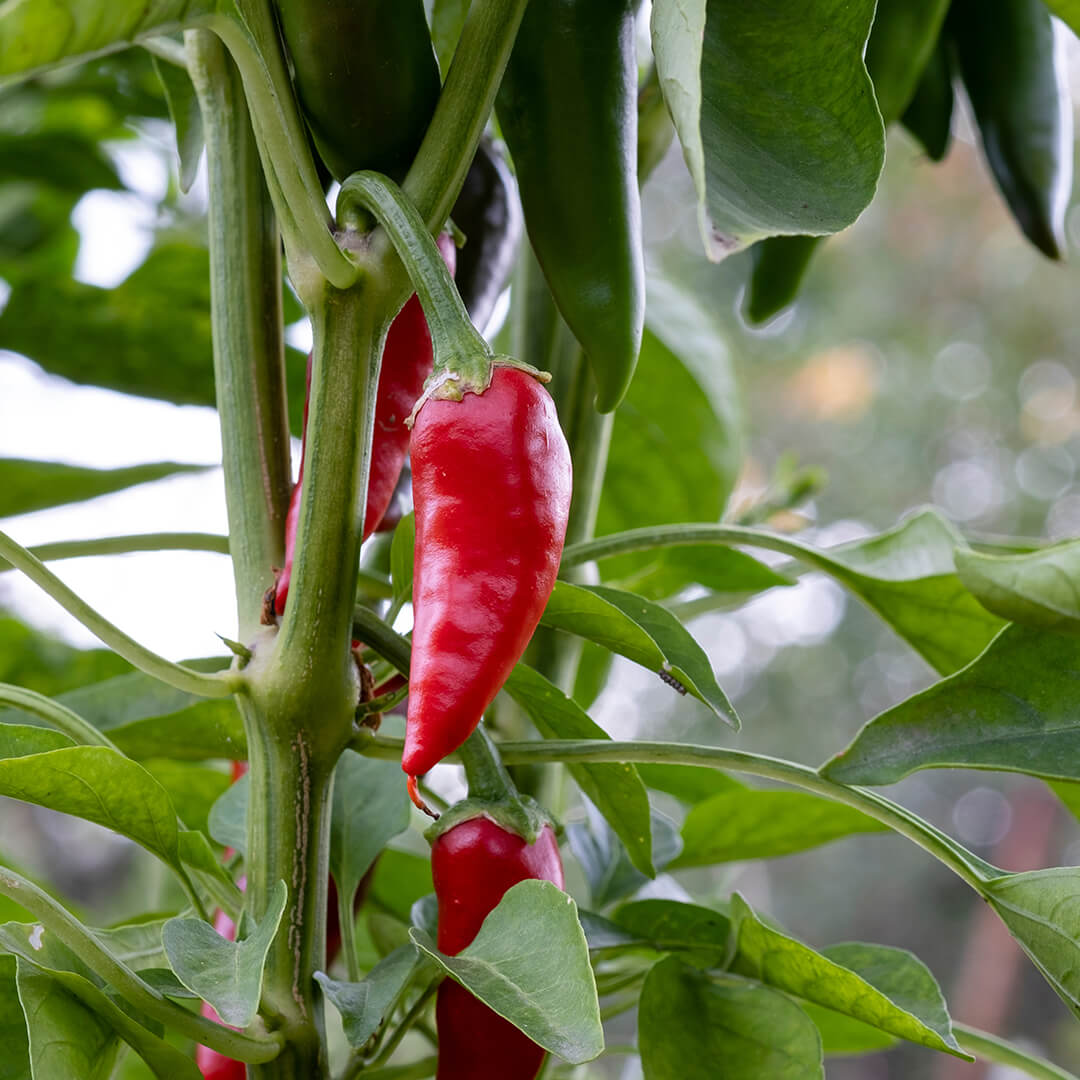
The jalapeño needs little introduction: it's the world's most popular chilli, the friendly medium-hot pepper behind nachos, poppers and salsa the world over, and a true Capsicum annuum from Mexico, where it takes its name from the city of Xalapa (Jalapa). This purple version behaves just like a standard jalapeño but develops rich purple tones in the pods as they grow, often starting green, flushing purple-black, then ripening to red if left on the plant.
The flavour is classic jalapeño: fresh, bright and grassy with a satisfying medium kick, perfect for everyday cooking. And that purple colour makes it a genuinely pretty plant, well suited to an ornamental spot or a patio pot as much as the veggie patch.
This one suits just about everyone. It's beginner-friendly, reliable and productive, mild enough for the whole family, and endlessly useful in the kitchen, with the added charm of those striking purple pods. If you want a dependable everyday chilli that also looks the part, the Purple Jalapeño is a lovely pick.
Cultivation
Cultivation
As a jalapeño, this is one of the easiest and most reliable chillies you can grow, and quicker off the mark than the superhots, which makes it a great choice for beginners.
Sow seeds indoors from late August to September. You can start in July with steady warmth, but there's less urgency than with the slow chinense types, so spring sowing suits it well.
If you like, soak seeds for 12 to 24 hours before sowing to soften the coat, then pat them dry. Sow two seeds per cell, about 3 to 4 mm deep, in good seed-raising mix. Keep them consistently warm at 20 to 30°C. Annuum seeds are generally obliging and usually germinate within a week or two.
Keep the mix moist but never soggy. Once seedlings are up with a couple of true leaves, pot them on and keep them warm and bright. Good light helps the purple colour develop richly.
When they reach 100 to 150mm tall and the weather has warmed properly, move them to their final home, in the ground or a pot of 15 to 20 litres or so. These are compact, well-behaved plants, so they suit containers nicely. Full sun and a bit of shelter, and they'll get on with it.
The plant grows to around 60 to 90cm and crops well, so a short stake helps once it's carrying a load of fruit.
Nothing come up yet? Read why chilli seeds can be slow to germinate.
Growing
Growing
The Purple Jalapeño makes a compact, bushy, productive plant of around 60 to 90cm, with those attractive purple-tinged pods and often purple-flushed stems. It's a reliable, generous cropper, giving you plenty of pods through summer.
Pinch out the main growing tip early to encourage branching. More branches means more flowering sites, which means a heavier crop.
Water consistently, keeping the soil moist but never waterlogged. Pots dry fast in a NZ summer, so check them regularly, and steady watering also heads off blossom end rot on the pods.
Feed with a tomato fertiliser once flowering starts. Chillies and tomatoes want much the same things, so keep it simple.
Full sun brings out the best purple colour, so give it a bright spot. It's a dependable, productive plant that keeps cropping through the season, so keep picking to keep it going.
Like many chillies, it can be overwintered as a perennial. Bring it somewhere frost-free, cut it back in autumn, and it'll return in spring with a head start.
Harvesting
Harvesting
Expect your first pods around 70 to 80 days from transplant, which is quick as chillies go and one of the joys of a jalapeño.
You can pick at several stages. Green, with a purple flush, they're firm and fresh with a classic jalapeño bite, which is how most people use them. Left on the plant, they'll deepen to purple-black and eventually ripen to red, turning a little sweeter. All stages are usable, so pick according to your taste.
Snip them off with scissors rather than tugging, since the branches can be brittle on a loaded plant. And pick regularly to keep the plant flowering and fruiting.
At 2,500 to 8,000 SHU there's a bit of heat here, so it's worth washing your hands well after prepping a batch, though gloves aren't essential for a jalapeño unless you're doing a lot at once or you're sensitive.
For storage, jalapeños are versatile. They're great fresh, keeping a week or so in the fridge, and they pickle beautifully (pickled jalapeños being a staple for good reason). They also freeze well, and ripe red ones can be smoked and dried into chipotle, a lovely project if you've got the gear.
Heat Levels
Heat Levels
Let's set expectations: this is a medium chilli, sitting at the classic jalapeño range of around 2,500 to 8,000 SHU. That's a friendly, everyday heat, enough to feel it and enjoy it, but a long way from anything fierce. It's the pepper by which many people measure all others, and for good reason: it's the sweet spot of usable warmth for most palates.
The purple colour doesn't change the heat; this is a true jalapeño in that respect, delivering that familiar, satisfying kick. As with all jalapeños, individual pods vary, and you'll notice that older pods, and those showing the tell-tale "corking" (fine white lines on the skin), tend to run hotter.
Growing conditions nudge the number too. A long, hot, slightly stressed season produces hotter pods, while a mild, well-watered one keeps them gentler. So you've a bit of control: treat them mean for more heat, keep them happy for milder fruit.
For most cooks, that reliable medium heat is exactly the appeal. It's warm enough to be interesting, gentle enough for the whole family, and versatile enough for just about anything, which is precisely why the jalapeño is the world's favourite chilli.
Pests and Diseases
Pests and Diseases
An easygoing, reliable plant with the usual short watch-list.
Aphids will go for the soft new growth in spring. A blast from the hose or a squash between the fingers handles small numbers, and ladybirds and lacewings do the rest if you let them. Whitefly can build up in a warm greenhouse, so yellow sticky traps and decent airflow keep them honest.
At the seedling stage, damping off is the main risk. Use fresh seed-raising mix, avoid overwatering, and give trays a bit of air movement. Slugs and snails will happily mow down young transplants overnight, so protect new plantings until they've toughened up.
On the disease front, most trouble is water-related. Overwatering invites root rot, and erratic watering can bring on blossom end rot, those dark sunken patches on the pod tips. Consistent moisture and free-draining mix prevent most of it.
Nothing here is dramatic. The jalapeño is one of the most forgiving chillies going, and a well-watered, well-drained plant in a sunny spot will crop reliably and generously all season, which is a big part of why it's such a good beginner's pepper.
Dishes
Dishes
The Purple Jalapeño is a kitchen workhorse, and its reliable medium heat and fresh flavour make it endlessly useful.
Fresh is where it starts. Diced into salsa, pico de gallo or guacamole, sliced onto nachos, or chopped into just about anything that wants a fresh, grassy kick, the jalapeño is a staple for good reason. The purple pods add a nice bit of colour to a fresh salsa, too.
Poppers are the classic treat: halved, stuffed with cheese, and baked or fried. The jalapeño's size and manageable heat make it perfect for the job, and it's a guaranteed crowd-pleaser. It's great stuffed in general, in fact, and a natural on the barbecue.
Pickling is another staple use, those tangy pickled jalapeño slices lifting burgers, tacos and sandwiches. And if you ripen the pods to red and have a smoker, you can make your own chipotle, smoke-dried jalapeños with a deep, rich, smoky flavour that's a world away from the fresh pod.
The through-line is everyday versatility. Because it's a manageable medium heat, the jalapeño goes with almost anything and suits almost everyone, which makes it one of the most useful chillies a home cook can grow, and the purple version brings a bit of extra beauty to the plant.
| Heat Level: | 2,500 – 8,000 SHUs |
| Type: | Medium |
| Species: | Capsicum annuum |
| Origin: |
Mexico |
| Days to Harvest: | 70-80 days |
| Seeds per Pack: | 10+ pepper seeds |
Share