

Ignition Seed Company
Habanada Seeds
Habanada Seeds
Couldn't load pickup availability
General
General
Here's a genuine marvel of plant breeding: a habanero with no heat at all. The Habanada, the name a portmanteau of "habanero" and "nada", delivers all the tropical, floral, fruity flavour that makes habaneros so beloved, with zero burn. It's the pepper for anyone who's ever wished they could taste a habanero properly without the fire getting in the way.
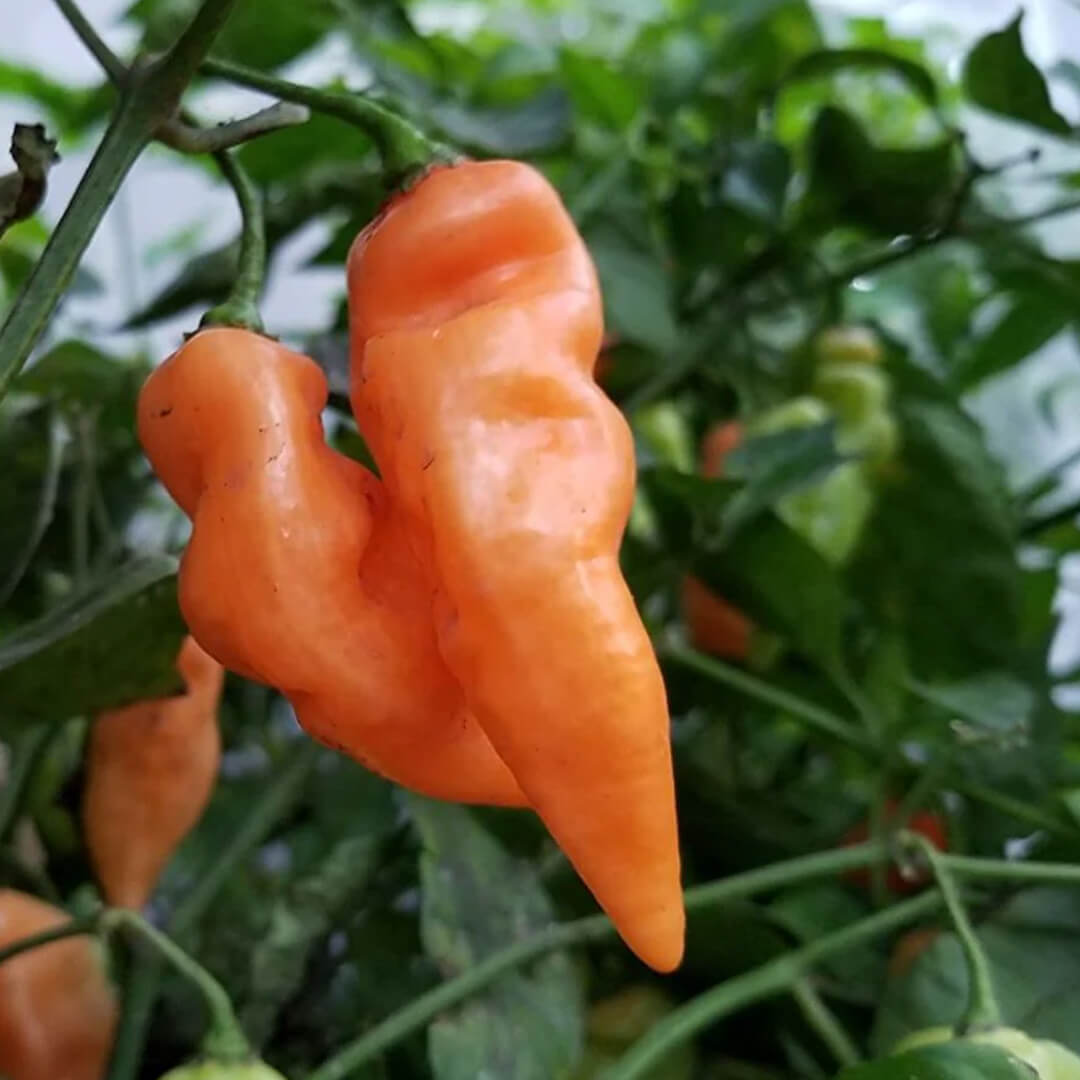
Developed at Cornell University by plant breeder Michael Mazourek over many years of patient, traditional (non-GM) breeding, the Habanada is a true Capsicum chinense that had its capsaicin bred out while its aromatic compounds were kept intact. The result is a pepper that looks a little like an elongated orange habanero and smells unmistakably chinense, all mango, citrus blossom and stone fruit, but registers a flat zero on the Scoville scale.
The flavour is the whole point, and it's remarkable. Many tasters find the Habanada more complex than a hot habanero, precisely because the burn isn't competing with the fruit. You get the bright citrus, the tropical sweetness, the floral depth, clean and undistracted. Bite into one raw expecting a tingle and the total absence of heat is almost disorienting.
This one's for everyone, which is rather the point. It's a brilliant snacking pepper, a gift for heat-sensitive cooks who love habanero flavour, and a genuinely useful ingredient for mild sauces, salsas and more. If you've always admired habaneros from a safe distance, this is your chance to actually enjoy one.
Cultivation
Cultivation
As a chinense, the Habanada wants a long, warm season and a measure of patience for germination, much like its habanero cousins, even though there's no heat at the end of it.
Start seeds indoors from late August to September. You can go as early as July with steady warmth, but there's no beating a cold windowsill, and chinense seeds sulk when they're cold. A bonus: because the plant doesn't spend energy making capsaicin, it's noted as doing well even in cooler, shorter-season climates, and it's one of the earlier chinense to ripen.
If you like, soak seeds for 12 to 24 hours before sowing to soften the coat, then pat them dry. Sow two seeds per cell, about 3 to 4 mm deep, in good seed-raising mix. Then give them consistent warmth around 20 to 30°C, ideally the warmer end. A heat pad earns its keep with chinense varieties. Pick one warm spot and leave the tray put, because steady beats spiky every time.
Patience helps here. Chinense seeds are slow, often two to four weeks or more to germinate, and the slow ones aren't dead, just unhurried. Keep the mix moist but never soggy and hold your nerve.
Once seedlings are up with a couple of true leaves, pot them on and keep them warm and bright. Don't rush them outdoors: wait until they're 100 to 150mm tall and all frost risk has passed, then harden them off over a week or so.
For their final home, a pot of 20 litres or so suits this compact grower nicely, or plant in the ground. Full sun and a bit of shelter, and it'll get on with it.
Nothing come up yet? Read why chilli seeds can be slow to germinate.
Growing
Growing
The Habanada makes a compact chinense plant, lower and wider than a standard habanero, and a good cropper of those elongated fruits. That spreading habit means the branches can droop into the soil once laden, so a tomato cage or a stake keeps it tidy and upright.
Pinch out the main growing tip early to encourage branching. More branches means more flowering sites and more of those fruity, heatless pods.
Water consistently, keeping the soil moist but never waterlogged. Chinense varieties like even moisture, and pots dry fast in a NZ summer, so check them regularly. Steady watering also heads off blossom end rot on the pods.
Go easy on the feeding. As the breeder himself noted, too much nitrogen turns a pepper plant into a leafy bush with little fruit, so a tomato fertiliser at flowering is plenty. Consistent watering, warmth and full sun are what this one wants.
It's a productive plant, though noted as a touch less prolific than a standard orange habanero. Keep picking to keep it cropping through the season.
And like all chinense, it's a perennial at heart. Overwinter it somewhere frost-free, cut it back in autumn, and it'll come away again in spring with a head start on anything sown from seed.
Harvesting
Harvesting
Expect your first ripe pods around 90 to 100 days from transplant, and as one of the earlier-ripening chinense, it won't keep you waiting as long as some.
The pods ripen from green to a bright orange, elongated and smooth, a bit like a stretched, curvy habanero. Pick them fully coloured for the best of that tropical, fruity flavour, when they feel firm and come away with a gentle tug. Use snips rather than pulling, since chinense branches are brittle and easily damaged.
And here's the best part: no gloves needed. At zero SHU, the Habanada is completely safe to handle, cut and taste freely, which after a season of superhots feels almost luxurious. You can eat one straight off the plant like a snack, no fire, no fuss.
The plant will keep flowering and setting fruit until the cold shuts it down, so expect a staggered harvest through late summer and autumn. Any green pods left at season's end will keep ripening off the plant.
For storage, the Habanada is versatile. It's superb fresh, keeping a week or two in the fridge, and its thin-ish walls mean it dries well into a fragrant, fruity, heat-free powder, a lovely way to add habanero aroma to a dish without any burn. It freezes fine too, and makes an excellent base for mild sauces.
Heat Levels
Heat Levels
Let's be completely clear: this pepper has no heat. The Habanada registers a flat zero on the Scoville scale, the result of careful breeding that eliminated capsaicin production entirely while leaving the aromatic compounds untouched. There may be the odd few Scoville units of wiggle room in a rare pod, but to all intents and purposes it behaves like a zero-heat sweet pepper.
That zero is the whole achievement. Its parent, the habanero, runs a ferocious 100,000 to 350,000 SHU, so the Habanada gives you that entire flavour profile with the fire dialled completely out. It's a genuine breeding milestone, and a boon for anyone who can't or doesn't want to handle heat.
What you get instead of burn is pure, undistracted flavour: bright citrus, tropical stone fruit, floral sweetness, and that unmistakable chinense depth. Because there's no capsaicin competing for your attention, many people find the flavour actually reads as more complex and aromatic than a hot habanero, where the burn tends to dominate.
For heat-sensitive cooks, for kids, for anyone who loves the smell and taste of a habanero but not the pain, this is the pepper that finally lets you in. No caution required, just enjoy it.
Pests and Diseases
Pests and Diseases
An easygoing plant with the usual chinense watch-list.
Aphids will go for the soft new growth in spring. A blast from the hose or a squash between the fingers handles small numbers, and ladybirds and lacewings do the rest if you let them. Whitefly can build up in a warm greenhouse, so yellow sticky traps and decent airflow keep them honest.
At the seedling stage, damping off is the main risk. Use fresh seed-raising mix, avoid overwatering, and give trays a bit of air movement. Slugs and snails will happily mow down young transplants overnight, so protect new plantings until they've toughened up.
On the disease front, most trouble is water-related. Overwatering invites root rot, and erratic watering can bring on blossom end rot, those dark sunken patches on the pod tips. The Habanada's thin-ish walls make it a touch more prone to fruit rot in wet conditions, so good airflow and steady, sensible watering matter. Consistent moisture and free-draining mix prevent most problems.
Nothing here is dramatic. A well-watered, well-drained plant in a sunny spot with good airflow will crop happily all season.
Dishes
Dishes
The Habanada is a rare thing: a pepper with full chinense flavour that you can use with a completely free hand, and that opens up all sorts of cooking.
Snacking is where it starts, and it's one of the best snacking peppers going. Eat them raw, straight off the plant or sliced into a lunchbox, for a hit of sweet, tropical, floral flavour with zero burn. It's a genuine novelty to hand someone a "habanero" and watch them enjoy it without fear.
In the kitchen, it shines in mild sauces and salsas, bringing habanero aroma and fruitiness to a dish that the whole family can eat. Roasted, grilled or braised, its flavour deepens beautifully, and it's lovely in soups, stews and even, adventurously, in ice cream, where that floral-tropical note works surprisingly well.
Its roomy, elongated shape makes it good for stuffing, too, though the thin walls mean you don't want to overfill them. Chopped into a fresh ceviche in place of bell pepper, it adds a fragrant, fruity lift. And dried and ground, it makes a heat-free habanero powder that's a wonderful way to season with chinense aroma alone.
The through-line is flavour without any fire, which makes the Habanada uniquely versatile. It's the one chinense you can add as freely as a sweet pepper, and the only "habanero" you can serve to absolutely anyone at the table.
| Heat Level: | 0 SHUs |
| Type: |
Mild |
| Species: | Capsicum chinense |
| Origin: | USA |
| Days to Harvest: | 90-100 days |
| Seeds per Pack: | 10+ pepper seeds |
Share