


Ignition Seed Company
Friariello Pepper Seeds
Friariello Pepper Seeds
Couldn't load pickup availability
General
General
Naples’ favourite frying pepper — sweet, glossy, and made for the pan
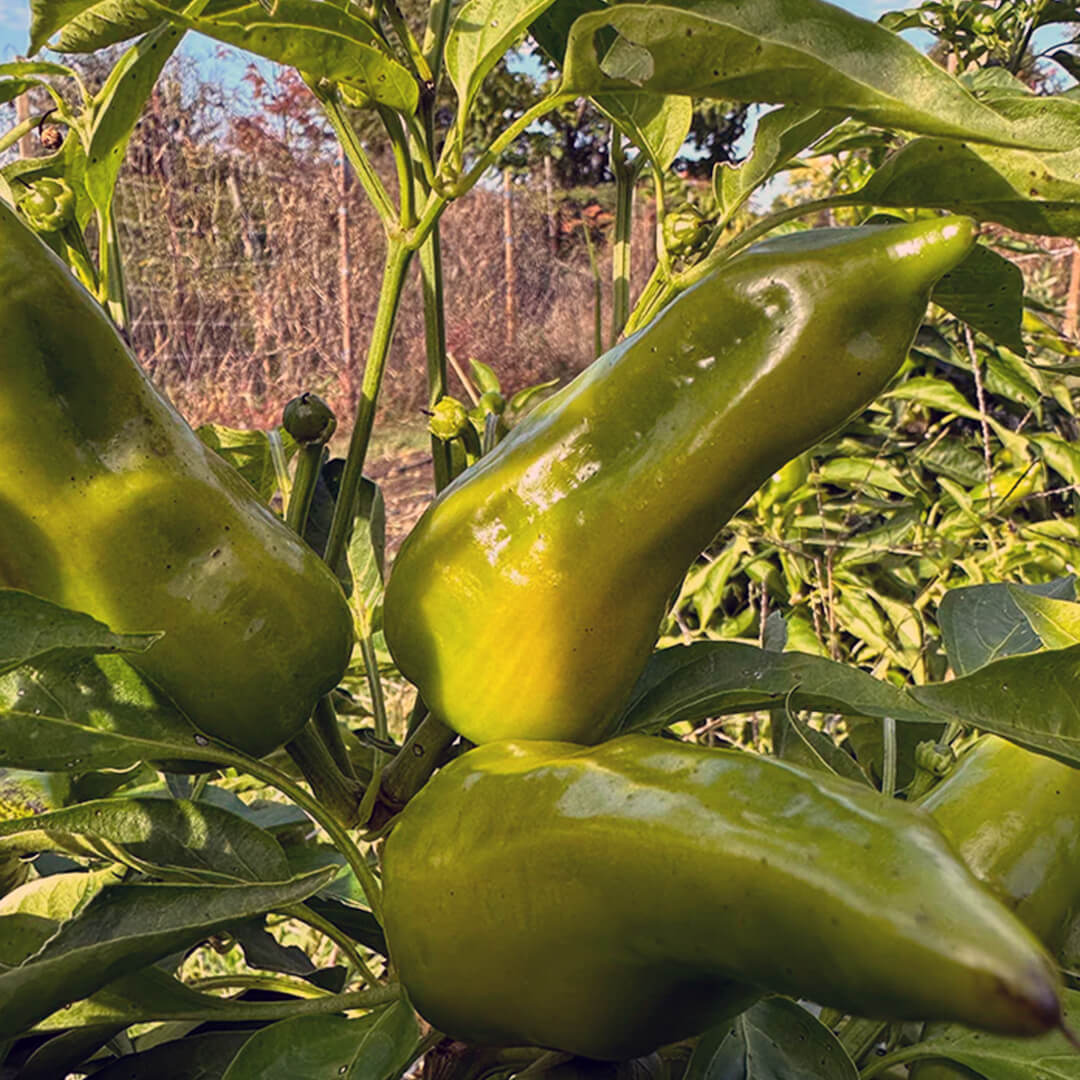
Friariello (often sold as Friariello di Napoli or discussed alongside friggitello/friarielli naming in Italian food culture) is a classic Italian sweet/frying pepper of the species Capsicum annuum.  It’s celebrated for its sweet, crisp flesh, thin skin, and a flavour that’s gentle and vegetable-forward — sometimes described with a slight bitter note that’s especially good when sautéed in olive oil. 
This is not a “scorcher” chilli. Friariello is about everyday cooking: peppers you can fry, blister, toss through pasta, pile onto sandwiches, or pickle by the jar. In Southern Italy, fried green peppers are a staple side dish — quick, fragrant, and deeply satisfying. 
Why it’s worth growing in NZ:
• Reliable productivity through summer when given sun and steady moisture. 
• Harvest flexible: pick green for a classic frying pepper, or let fruit ripen red for a sweeter, deeper flavour. 
• Family-friendly heat: mild enough for most palates, but still “peppery” and aromatic. 
If you want one pepper plant that will genuinely earn a permanent spot in your NZ garden (and your frying pan), Friariello is it.
Cultivation
Cultivation
Friariello is a warm-season Capsicum annuum pepper, and in NZ you’ll get the best season length by starting indoors, then planting out once spring has truly warmed up.
NZ sowing window (indoors)
• Late August–September: ideal for most NZ regions
• September–early October: cooler southern regions
• If you have heat mats/grow lights, you can start earlier — but only if you can keep nights warm and seedlings bright.
Germination temperature range
For Friariello di Napoli, one seed supplier lists germination in 21–26 days at 72°F, which converts to about 22°C.  In practice, keeping the seed mix around 22–28°C and stable (no cold-night drops) improves speed and consistency for peppers.
Typical germination time
Plan for about 2–4 weeks, depending on how steady your warmth is.  If your trays cool down at night, germination often slows — especially in NZ late winter.
Seed-starting steps (simple and repeatable)
• Use a fine, free-draining seed-raising mix.
• Sow 5–8 mm deep, water gently to settle.
• Keep the medium evenly damp (damp, not wet).
• Use a humidity lid early on, but vent daily to prevent damping off.
• Provide bottom heat if your indoor temperatures drop overnight.
• Once seedlings emerge, move to bright light immediately to prevent legginess.
Troubleshooting
• No germination: the most common cause is temperature fluctuation. Re-stabilise warmth and avoid waterlogged mix. 
• Leggy seedlings: not enough light — increase intensity and keep plants close to the light source.
• Seedlings collapsing: too wet + stale air. Vent more, thin seedlings, water from below.
Start strong and you’ll have sturdy plants ready to fly once NZ spring settles.
Growing
Growing
Friariello is one of those peppers that rewards basic good practice: sun, warmth, and consistent care. The “premium” results come from the details — especially in NZ’s windier gardens.
Sun, shelter, airflow
• Aim for 6–8+ hours of sun daily.
• Give wind shelter (fence line, hedge, courtyard, tunnelhouse). Wind-chill can slow growth and reduce fruit set.
• Maintain airflow through the canopy to keep foliage dry after rain.
Soil guidance (including pH)
Pepper production guidance commonly targets slightly acidic to neutral soil around pH 6.0–6.8, with strong emphasis on drainage and fertility.  Mix in compost for structure, but avoid waterlogged beds — peppers hate “wet feet”.
Pot vs ground
• Pots: a reliable range is 15–25 L per plant for steady growth and manageable watering. Pots also warm up faster in spring, which can help in NZ.
• In-ground: choose your warmest bed; raised beds help if your soil stays wet.
Feeding, watering, staking/pruning
• Water deeply, then allow the surface to dry slightly before watering again.
• Feed lightly while establishing; once flowering begins, shift to a fertiliser that supports fruiting rather than just leaf growth.
• Friariello plants are often described as strong producers, so light support can help in windy sites. 
• Light pruning to open the centre improves airflow and makes pest checks easier.
NZ-specific considerations
Plant out in spring after frost risk, once weather is consistently warm. If you’re coastal or exposed, shelter matters as much as sun. For cooler regions, a tunnelhouse or warm north-facing wall can extend your season and help fruit ripen red before autumn.
Harvesting
Harvesting
Friariello is flexible: harvest it green for the classic Italian frying pepper experience, or let it ripen to red for extra sweetness and depth.
Ripeness cues
• Green harvest: pick when fruit are firm, glossy, and about 10–15 cm long (a common picking size). 
• Red harvest: leave fruit to fully colour to red; flavour generally becomes sweeter. 
• Aroma increases as peppers mature; firm pods with a strong “pepper” scent are a reliable cue.
How to pick (without damaging the plant)
• Use snips/secateurs and cut with a short stem. This protects branches and helps the plant keep producing.
• Harvest regularly — frequent picking encourages new flowers and more fruit. 
How to maximise yield
• Keep watering consistent during flowering and fruit set.
• Don’t let plants get hungry mid-season; steady feeding supports continuous cropping.
• Pick often, especially if you prefer green fruit — you’ll stimulate more production.
Post-harvest handling
• Fresh: store dry and unwashed in the fridge; use within 1–2 weeks.
• Frying/grilling: best within a few days for peak crispness and sweetness.
• Pickling: Friariello/friggitello types are commonly pickled and sold in jars. 
• Freezing: slice and freeze for later use in pasta sauces, stews, and sautés.
• Roasting: blister and peel, then pack in oil (store safely and use promptly).
Heat Levels
Heat Levels
Friariello is best described as very mild — more “sweet pepper with a whisper of warmth” than chilli burn.
Scoville range (only if consistently supported)
For closely related Italian frying pepper types (often discussed as friggitello), reputable sources commonly cite about 100–500 SHU, and some describe them as essentially zero heat.  The safest summary is: mild, typically around 0–500 SHU, with variability by plant and growing conditions. 
Why heat varies
• Genetics and naming: “Friariello/friarielli/friggitello” naming can vary by region and seller, and related cultivars can differ slightly. 
• Growing conditions: hotter summers can bring out more “pepperiness”, though this remains a mild variety.
Flavour descriptors beyond “hot”
Expect sweet, crisp flesh and a classic fried-pepper aroma, sometimes with a pleasant hint of bitterness that works beautifully with olive oil and garlic. 
Who it’s for
• Beginners: perfect — a gentle entry point.
• Family cooking: mild enough for most households.
• Foodies: ideal if you want authentic Italian frying peppers with flavour front and centre.
• Chilli-heads: grow it for the cuisine, not the heat — it’s a pantry pepper, not a pain challenge.
Pests and Diseases
Pests and Diseases
Friariello is relatively straightforward, but NZ gardens still bring the usual pepper pests — especially in sheltered, warm spots where plants thrive.
Common issues in NZ
• Aphids: curled new growth, sticky honeydew.
• Whitefly: tiny insects that lift when disturbed; gradual weakening.
• Spider mites: speckling/dull leaves; webbing in heavier infestations (often under cover).
• Fungal issues: promoted by wet foliage and poor airflow.
• Root rot: typically drainage + overwatering, especially during cool spells.
Prevention first
• Plant for airflow: don’t crowd peppers.
• Water the soil, not the leaves.
• Keep drainage strong (raised beds or free-draining pot mix).
• Inspect weekly — leaf undersides and new tips are where problems start.
Organic controls
• Insecticidal soap for aphids/whitefly/mites (repeat applications often needed).
• Neem-based products can help with sucking pests; follow label directions.
• Yellow sticky traps to monitor and reduce flying adults like whitefly.
• Prune off heavily infested tips and dispose of them.
Warning signs
Sticky leaves, distorted tips, speckling, or sudden wilting in wet soil are early alarms. Act early and plants usually rebound quickly — especially with mild varieties that keep pushing new growth through summer.
Dishes
Dishes
Friariello is built for the pan. It’s the pepper you can use generously — and that’s the whole point.
10 dish ideas (everyday + adventurous)
• Classic Italian fry-up: blister in olive oil with garlic and a pinch of salt. 
• Friariello + potatoes: sauté together for a hearty side. 
• Pasta topping: fried peppers tossed through pasta with olive oil and parmesan. 
• Sandwich hero: fried peppers piled into rolls with sausage or grilled veg. 
• Stuffed peppers: fill with cheese, herbs, breadcrumbs, then bake. 
• Pickled jars: vinegar brine with garlic and herbs (great for antipasto). 
• BBQ (NZ-friendly): blister on the grill, finish with lemon and salt.
• Eggs: chopped fried peppers folded through omelettes or scrambled eggs.
• Pizza: sliced on top after cooking for crunch and sweetness.
• Summer salad: grilled peppers with tomatoes, basil and a sharp vinaigrette.
Handling tips
No special safety gear needed — this is a mild pepper. If you’re processing large batches for pickles, basic kitchen hygiene and clean jars are the main priorities.
| Heat Level: | 200 – 1,000 SHUs |
| Type: |
Mild |
| Species: |
Capsicum Annuum |
| Origin: | Italy |
| Days to Harvest: | 75+ days |
| Seeds per Pack: | 10+ pepper seeds |
Share


I have not tried this pepper before, so we will see how they go.
Enjoy – and good luck with your growing!
I have not tried this pepper before, so we will see how they go.
Enjoy – and good luck with your growing!