

Ignition Seed Company
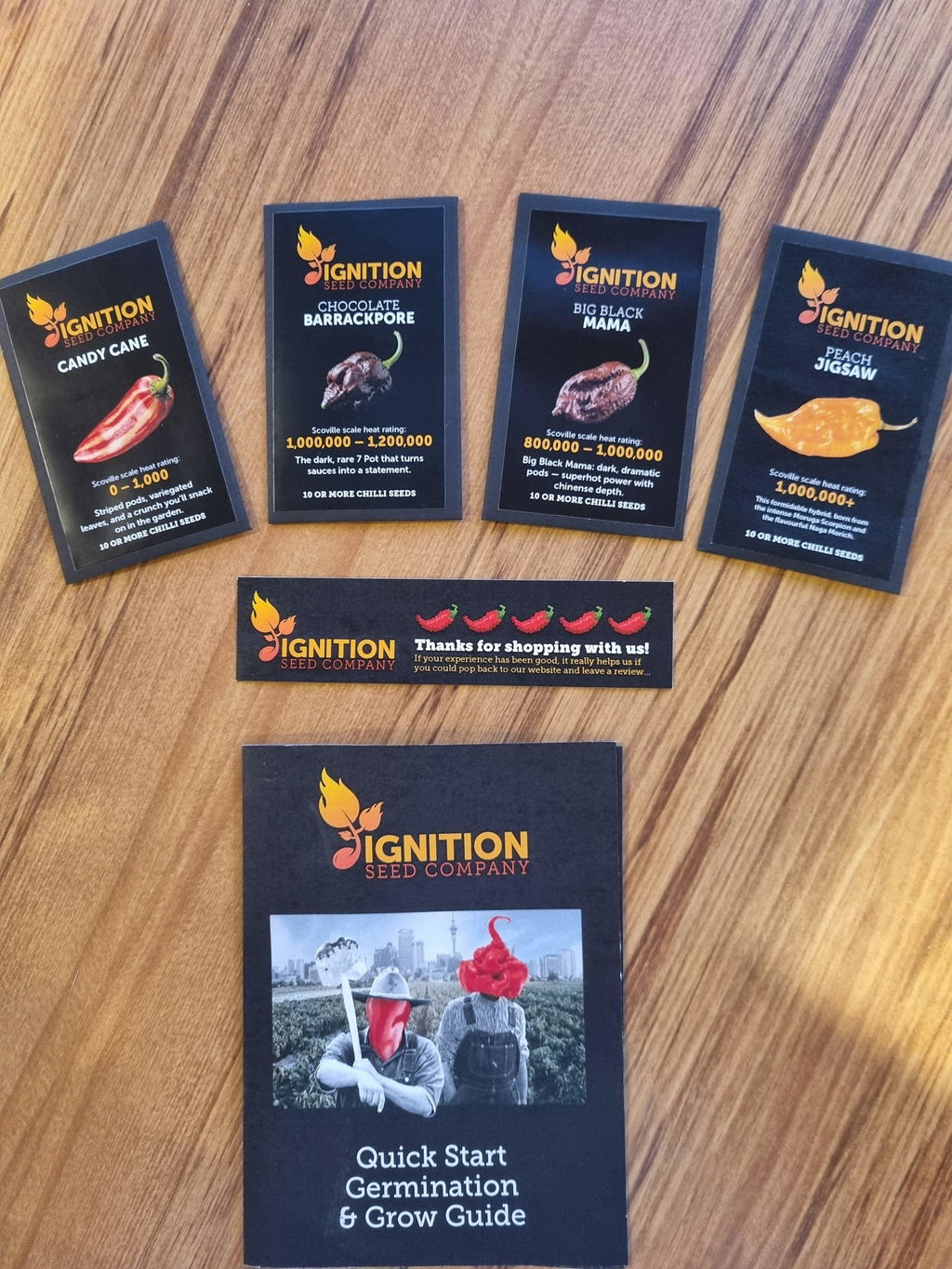
7 Pot Barrackpore (Chocolate) Seeds
7 Pot Barrackpore (Chocolate) Seeds
Couldn't load pickup availability
General
General
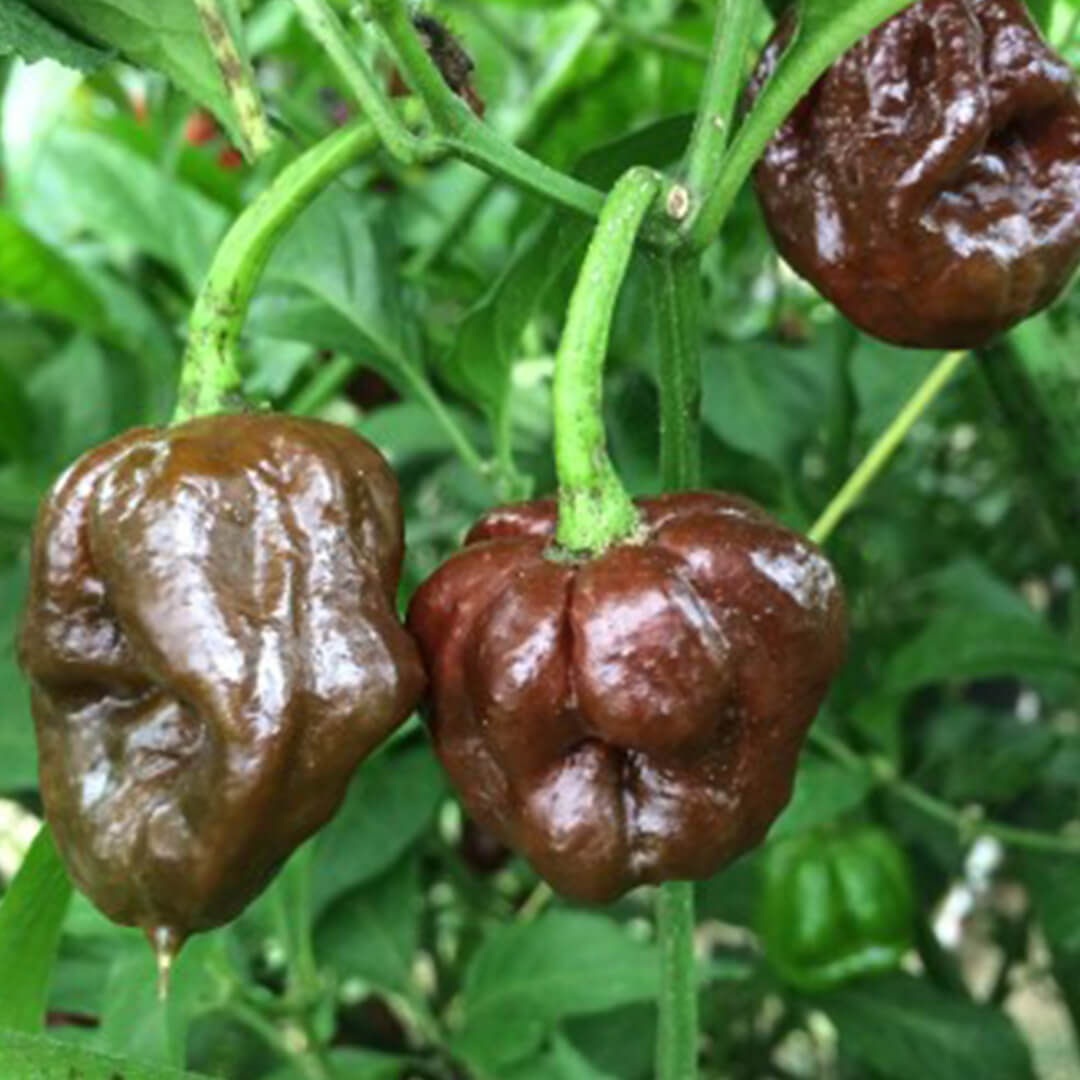
The 7 Pot Barrackpore (Chocolate) is a superhot from Trinidad with the flavour to back up the heat. The pods are gnarly, about the size of a golf ball, and ripen to a deep chocolate brown. The heat builds slowly into something properly serious.
It's a Capsicum chinense from the 7 Pot family, the Trinidad chillies said to be hot enough to season seven pots of stew. The Barrackpore line takes its name from Barrackpore in southern Trinidad, and you'll also see it sold as Chocolate Barrackpore or Barrackpore 7 Pod. This is the chocolate form of the red Barrackpore. The colour is the only chocolate thing about it, though. It doesn't taste of chocolate.
The flavour is classic 7 Pot: fruity, with a floral edge that comes through well in sauces. That's what makes it worth growing rather than just a test of nerve.
It's one for experienced growers and heat seekers. If you haven't grown or cooked with a superhot before, a habanero is a better place to start. It grows much the same way, and the heat is far easier to manage in the kitchen.
Cultivation
Cultivation
Superhots need a long season, so sow early. With a heat mat, late July to September works well. Without one, wait until spring warms the house up and expect a later harvest.
Sow two seeds per cell, 3–4 mm deep, in seed-raising mix. Keep them warm, around 25–30°C, and moist but not wet. A heat mat and a lid on the tray make a big difference with this variety.
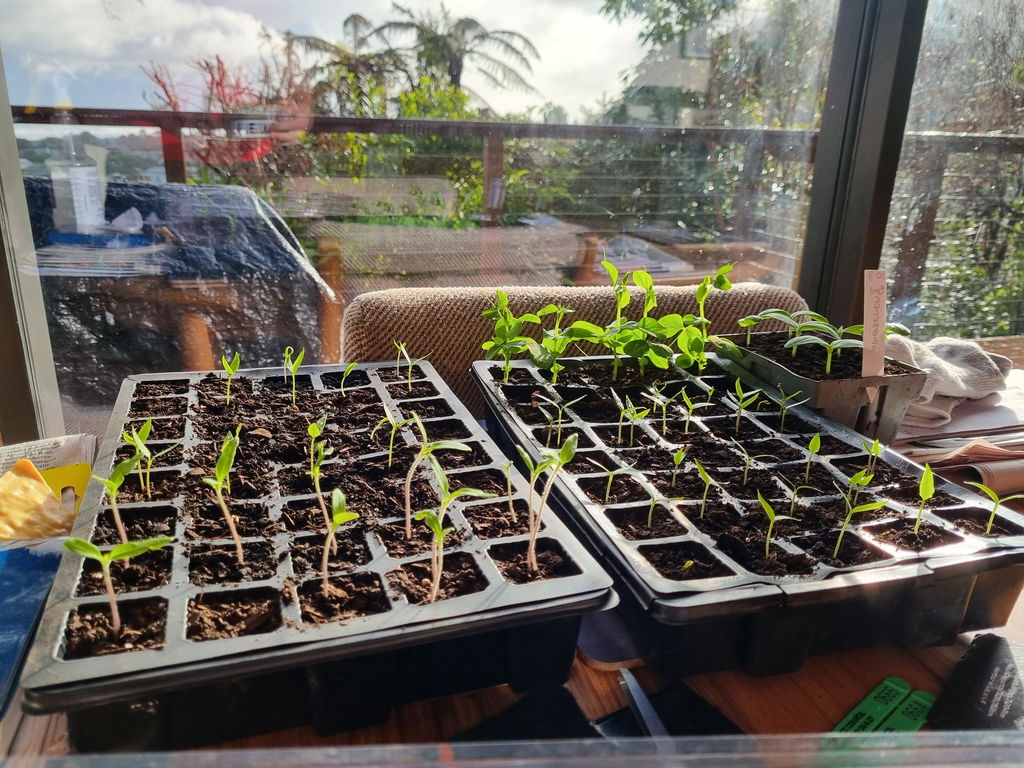
Germination is slow and uneven. Two to four weeks is normal and some seeds take longer, so don't give up on a tray at three weeks.
Once the seedlings have a couple of true leaves, pot them on and keep them warm under bright light. Move them into a greenhouse from around October, or harden them off and plant them outside once the frosts are over, usually from November.
Give them room: a pot of at least 20 litres, or a sunny, sheltered spot in the ground. In cooler parts of the country, a greenhouse or tunnel house makes a real difference to the crop.
Growing
Growing
Grown well, it makes a sturdy plant about a metre tall in a pot, and bigger in the ground. Stake it before it starts fruiting, because a loaded plant gets heavy.
Water regularly and keep the soil evenly moist, never waterlogged. Pots dry out fast in a NZ summer, so check them daily once the weather heats up. Uneven watering leads to blossom end rot and fewer pods.
Tomato mix makes a good growing medium. Start feeding once it flowers, and a seaweed fertiliser at the rate on the bottle is plenty.
Heat and sun are what drive it, so give it the warmest, sunniest and most sheltered spot you have.
Like all chinense varieties, it's a perennial. Cut it back in autumn and keep it somewhere frost-free over winter, and it'll get away much faster next spring than a new seedling.
Harvesting
Harvesting
Expect the first ripe pods around 100–120 days after transplanting, later than most chillies. Plants keep cropping until the cold arrives, typically March or April.
The pods ripen from green to dark chocolate brown. Pick them when they're fully coloured and firm, for the best flavour and full heat. Cut them off with snips rather than pulling, as the branches snap easily.
Wear gloves. The oil on the skin burns, and it can stay on your hands even after washing. Keep your hands away from your eyes and face.
Fresh pods keep for a week or two in the fridge. They freeze well whole and can be grated straight from the freezer. They also dry well for flakes and powder, and one plant produces more than most kitchens will use.
Heat Levels
Heat Levels
Approximately 1,000,000–1,200,000 SHU. That puts it alongside the other 7 Pots, and above a bhut jolokia.
The heat doesn't arrive all at once. There's a short delay, then it builds and keeps building for several minutes, so don't judge it on the first few seconds.
Pod heat varies with the plant and the season. A long, hot summer gives hotter pods than a cool, wet one.
Wear gloves to handle the pods, keep the kitchen ventilated when you cook with them, and keep them well away from children and pets. When tasting, start with a very small amount. You can always add more.
Pests and Diseases
Pests and Diseases
The usual chilli problems, and nothing unusual to this variety.
Aphids are the most common. They go for soft new growth in spring. Hose them off or squash small numbers, and use neem oil if they build up. Ladybirds help too.
Whitefly and spider mites like the warm, dry air of a greenhouse. Yellow sticky traps help with whitefly. For mites, look for fine speckling on the leaves and webbing underneath, and improve airflow.
Slugs and snails can take out young transplants overnight, so protect them for the first few weeks.
Most disease comes back to watering. Soggy mix causes damping off in seedlings and root rot in older plants, and uneven watering causes blossom end rot. Free-draining mix and steady watering prevent most of it.
Storms and wind can snap branches on a heavy plant, which is another reason to stake it.
Dishes
Dishes
Treat it as a seasoning and use it in small amounts.
Hot sauce is where it shines. The fruity, floral flavour works well with mango or pineapple, and it ferments well. One pod goes a long way in a batch.
Dried and ground, it makes a dark, very hot powder for rubs and seasoning. Use a pinch or less.
In cooking, a small sliver is enough for a large pot of chilli or curry. Taking out the seeds and pith removes some of the heat and keeps the flavour.
If you make oils or sauces, label them clearly. An unlabelled superhot in a shared fridge causes trouble sooner or later.
| Heat Level: | 1,000,000 – 1,200,000 SHUs |
| Type: | Super Hot |
| Species: |
Capsicum chinense |
| Origin: | Trinidad and Tobago |
| Days to Harvest: | 100-120 days |
| Seeds per Pack: | 10+ pepper seeds |
Share


Packaging, delivery, germination success - all excellent.
What a selection, truly excited to grow these bad boys. Love the packaging and information included. Shipped quickly and packed well. Love to be able to support locally too! Only found you after ones from overseas got stopped at customs. Pricey lesson but resulted on finding you guys so great result in the end! Now just to watch these babies grow!