


Ignition Seed Company
Chile de árbol Seeds
Chile de árbol Seeds
Couldn't load pickup availability
General
General
If you cook Mexican food and want a proper hit of clean, bright heat, the Chile de árbol is a staple worth growing. These slim, fiery-red chillies deliver a sharp, vivid spiciness and a colour to match, and they're one of the most useful hot chillies in the Mexican pantry.
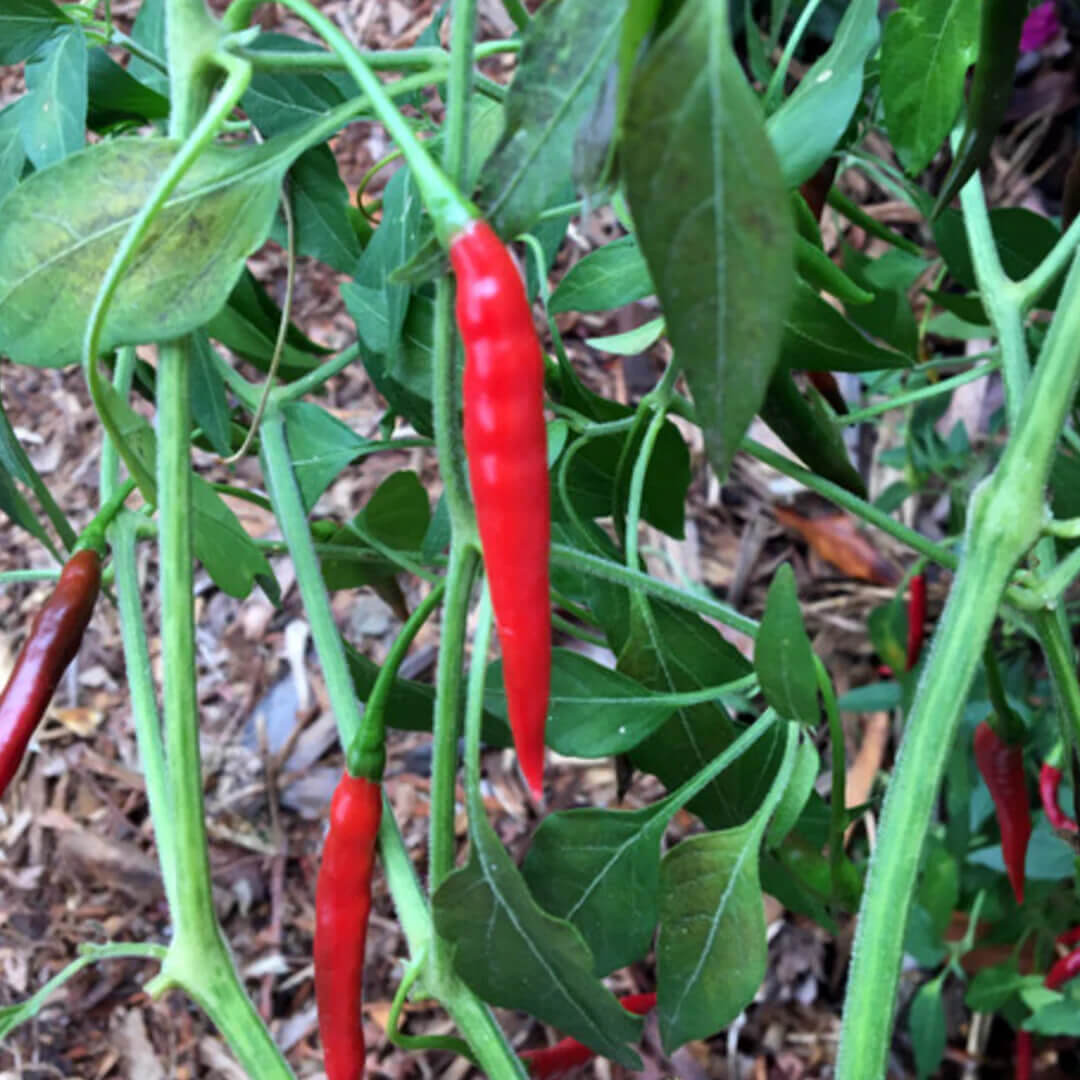
The name means "tree chilli", a nod to the woody stems of the plant, and it's a Mexican classic through and through. The pods grow long and thin, ripening from green to a brilliant red, and they hold that bright colour beautifully when dried, which is how they're most often used. In fact, the árbol is closely related to the cayenne and fills a similar role: a reliable source of clean, sharp heat.
The flavour is bright and a touch acidic, with nutty, slightly grassy notes under the heat. It's not a deep, fruity chilli like an ancho or pasilla; its job is vivid, clean spiciness, and it does it superbly. It's rarely the only chilli in a dish, often paired with fruitier, darker chillies to round things out, but it's the one that brings the fire and the colour.
This one's for the cook who wants real, usable heat and that unmistakable bright-red árbol colour. It's excellent in salsas, chilli oils, and dried for powder and flakes, and it's productive and reasonably easy to grow. If you make Mexican food, this is a genuinely handy chilli to have on the plant.
Cultivation
Cultivation
As an annuum, the Chile de árbol is fairly straightforward to grow, and quicker off the mark than the superhots, though it does want a decent warm season to ripen and dry its pods.
Sow seeds indoors from late August to September. You can start in July with steady warmth, but there's less urgency than with the slow chinense types, so spring sowing suits it well.
If you like, soak seeds for 12 to 24 hours before sowing to soften the coat, then pat them dry. Sow two seeds per cell, about 3 to 4 mm deep, in good seed-raising mix. Keep them consistently warm at 20 to 30°C. Annuum seeds are generally obliging and usually germinate within a week or two.
Keep the mix moist but never soggy. Once seedlings are up with a couple of true leaves, pot them on and keep them warm and bright.
When they reach 100 to 150mm tall and the weather has warmed properly, move them to their final home, in the ground or a pot of 20 litres or so. Full sun and a bit of shelter, and they'll get on with it.
The plant grows tall and somewhat woody, hence the "tree" name, and crops heavily, so a stake keeps it upright once it's loaded with those slim pods.
Nothing come up yet? Read why chilli seeds can be slow to germinate.
Growing
Growing
Chile de árbol earns its name once it gets going. The plant develops tall, woody stems and produces plenty of slim pods, so give it a stake before the crop gets heavy. It's a productive annuum, but keeping the plant upright and evenly watered makes the difference between a tidy harvest and branches under strain.
Pinch out the main growing tip early if you want more branching. More branches mean more flowering sites, and more flowering sites mean more of those slender red pods. Keep the soil moist but never waterlogged. Pots can dry quickly in a NZ summer, so check them regularly. Steady watering also helps prevent blossom end rot.
Feed with a tomato fertiliser once flowering starts. Avoid overdoing nitrogen, which can give you plenty of leaves and fewer pods. Pick ripe fruit regularly if you're using it fresh, or let it reach full red if the aim is a drying crop. The more you harvest, the more the plant keeps producing.
After the season, Chile de árbol can be overwintered somewhere frost-free. Cut it back in autumn and it can come back in spring with a useful head start over a new seedling.
Harvesting
Harvesting
Expect your first pods around 85 to 100 days from transplant, though for the classic dried árbol you'll want to let them ripen fully to bright red on the plant first.
You can use them green for a fresh, grassy heat, but the árbol is really at its best red and dried, when its clean, sharp spiciness and vivid colour come to the fore. Let the pods ripen to a brilliant red, then dry them down.
Snip them off with scissors rather than tugging, since the branches can be brittle on a tall, loaded plant. And pick regularly to keep the plant flowering and fruiting.
Given the heat, gloves are a sensible idea once you start cutting into them or handling them in quantity. At 15,000 to 30,000 SHU there's enough capsaicin here to leave a sting, and to make eye-rubbing a mistake, so glove up for prep and wash your hands well afterwards.
For storage, drying is the classic and best route, and the árbol dries superbly, holding its bright red colour better than most. Dry the ripe pods in a dehydrator or a warm, airy spot until brittle, and they'll keep for many months in an airtight jar away from light. Fresh pods hold a week or so in the fridge, and both fresh and dried freeze well.
Heat Levels
Heat Levels
Make no mistake, this is a properly hot chilli, sitting at around 15,000 to 30,000 SHU. That's a solid, punchy heat, roughly 5 to 10 times hotter than a jalapeño, and it puts the árbol in similar territory to the cayenne: hot enough to take seriously, without tipping into the extreme.
What defines the árbol's heat is that it's clean and sharp rather than deep or complex. It's a bright, vivid, direct spiciness, the kind you'd reach for when you want the dish to actually taste hot, with just a nutty, slightly grassy note underneath. This is heat as a headline, not a background hum.
As always, individual pods vary. Heat shifts with the season, the sun and how the plant was grown, and a long hot summer generally produces fiercer pods than a cool damp one. The árbol is fairly consistent as chillies go, but expect some pod-to-pod variation.
Handle it with sensible respect: gloves for prep, and keep the pods away from eyes, kids and pets. Used with a measured hand, it brings a bright, clean, genuinely hot kick that makes it one of the most useful heat chillies in the kitchen.
Pests and Diseases
Pests and Diseases
An easygoing, productive plant with the usual watch-list.
Aphids will go for the soft new growth in spring. A blast from the hose or a squash between the fingers handles small numbers, and ladybirds and lacewings do the rest if you let them. Whitefly can build up in a warm greenhouse, so yellow sticky traps and decent airflow keep them honest.
At the seedling stage, damping off is the main risk. Use fresh seed-raising mix, avoid overwatering, and give trays a bit of air movement. Slugs and snails will happily mow down young transplants overnight, so protect new plantings until they've toughened up.
On the disease front, most trouble is water-related. Overwatering invites root rot, and erratic watering can bring on blossom end rot, those dark sunken patches on the pod tips. Consistent moisture and free-draining mix prevent most of it.
Nothing here is dramatic. A well-watered, well-drained plant in a sunny spot, with a stake to keep it upright, will crop heavily and reliably all season.
Dishes
Dishes
The Chile de árbol is a heat-and-colour chilli, and Mexican cooking is where it truly belongs.
Salsas are a natural home. A classic salsa de chile de árbol, the dried chillies toasted and blended, delivers a bright, fiery, vivid-red table sauce that's a staple of Mexican cooking. It brings the heat and the colour where fruitier chillies bring the depth, which is exactly why it's so often used.
Chilli oil and infused vinegars suit it beautifully. Those slim dried pods steeped in oil make a punchy, bright-red chilli oil, and the árbol is a favourite for exactly this. Whole dried pods also go into stews, soups and braises to lend heat and colour, then can be fished out or blended in.
Dried and ground, it makes a vivid, sharp chilli powder and flakes, a superb all-purpose heat source for anyone who likes proper spice, and a brighter, cleaner alternative to some duller commercial powders. It's a natural for spice rubs, too.
It rarely works alone in complex dishes, and it's often paired with fruitier, darker chillies like ancho, pasilla and guajillo to round out the flavour, the árbol supplying the fire and the colour while the others bring the body. Think of it as your bright, clean heat source, and it'll earn its place in the kitchen many times over.
Recipes
Recipes
Recipes from our kitchen using Chile de árbol:
| Heat Level: | 15,000 – 30,000 SHUs |
| Type: | Medium |
| Species: | Capsicum annuum |
| Origin: | Mexico |
| Days to Harvest: | 85-100 days |
| Seeds per Pack: | 10+ pepper seeds |
Share


Intersting selection of quality seeds and prompt delivery thank you