

Ignition Seed Company
Cheongyang Gochu Seeds
Cheongyang Gochu Seeds
Couldn't load pickup availability
General
General
If you cook Korean food, this is the chilli you've been looking for. The Cheongyang Gochu is Korea's most famous hot pepper, a slender, crisp, genuinely spicy chilli with a sweet, tangy character that's essential to Korean cooking. Named after the town of Cheongyang, the spice capital of South Korea, it's a pepper with real pride behind it.
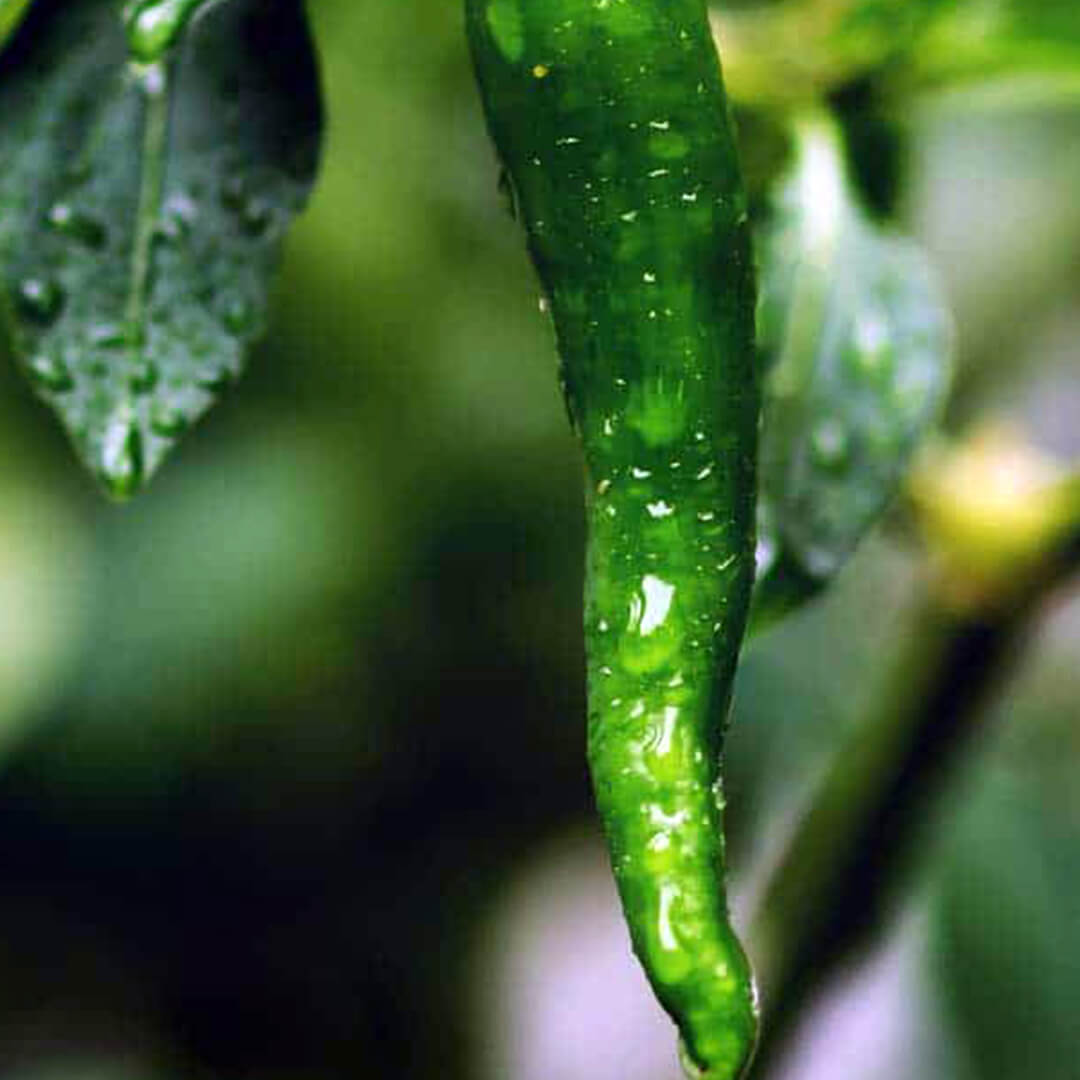
The Cheongyang Gochu (also called Chungyang) is a Capsicum annuum, with slim, tapering pods a bit like a slender cayenne, ripening from green to red. In Korea it's the benchmark for heat, the pepper you're warned about when it's served on the stem with doenjang sauce, and both the green and red pods are used widely in the kitchen. It's a source of genuine local pride, celebrated with its own annual festival.
The flavour is a big part of the appeal: a taste reminiscent of an Asian bird's eye, but with a delightful twist of sweetness and tanginess, and a crisp, tender bite. It's this balance of real heat and bright, sweet-tangy flavour that makes it so versatile and so central to Korean dishes.
This one's for the cook who loves Korean food and wants the authentic ingredient, and for any grower after a productive, flavourful medium-hot chilli. It's a resilient, easy plant, hot enough to be genuinely useful without being fierce, and endlessly handy fresh in the kitchen. A great all-rounder with a real sense of place.
Cultivation
Cultivation
As an annuum, the Cheongyang Gochu is straightforward and rewarding to grow, and quicker off the mark than the superhots, which makes it a good choice for beginners wanting genuine heat. It's noted as a resilient, adaptable plant.
Sow seeds indoors from late August to September. You can start in July with steady warmth, but there's less urgency than with the slow chinense types, so spring sowing suits it well.
If you like, soak seeds for 12 to 24 hours before sowing to soften the coat, then pat them dry. Sow two seeds per cell, about 3 to 4 mm deep, in good seed-raising mix. Keep them consistently warm at 20 to 30 degrees Celsius. Annuum seeds are generally obliging and usually germinate within a week or two.
Keep the mix moist but never soggy. Once seedlings are up with a couple of true leaves, pot them on and keep them warm and bright.
When they reach 100 to 150mm tall and the weather has warmed properly, move them to their final home, in the ground or a pot of 20 litres or so. It's well suited to both pots and garden beds. Full sun and a bit of shelter, and it'll get on with it.
The plant is productive and carries a good crop of slim pods, so a stake helps keep it upright once it's loaded.
Growing
Growing
The Cheongyang Gochu makes a resilient, productive plant that crops generously, giving you plenty of those slim, crisp pods through summer. A stake is worth having once it starts to load up.
Pinch out the main growing tip early to encourage branching. More branches means more flowering sites, which means a heavier crop.
Water consistently, keeping the soil moist but never waterlogged. Pots dry fast in a NZ summer, so check them regularly, and steady watering also heads off blossom end rot on the pods.
Feed with a tomato fertiliser once flowering starts. Chillies and tomatoes want much the same things, so keep it simple.
It's a dependable, adaptable cropper, well suited to a range of conditions, and it keeps producing through the season. Keep picking, both green and red, to keep the plant flowering and fruiting.
Like many chillies, it can be overwintered as a perennial. Bring it somewhere frost-free, cut it back in autumn, and it'll return in spring with a head start on anything grown from seed.
Harvesting
Harvesting
Expect your first pods around 75 to 90 days from transplant, which is quick as chillies go and one of the perks of a productive annuum.
You can pick at two stages, and both are used in Korean cooking. Green, the pods are crisp, fresh and pleasantly hot, superb sliced fresh or served with dipping sauce. Left on the plant, they ripen to red, turning a little sweeter, and the red pods are used fresh and dried. Pick according to what you're cooking.
Snip them off with scissors rather than tugging, since the branches can be brittle on a loaded plant. And pick regularly to keep the plant flowering and fruiting.
Given the heat, gloves are a sensible idea once you start handling them in quantity. At 10,000 to 23,000 SHU there's a genuine medium heat here, enough to sting and to make eye-rubbing a mistake, so it's worth washing your hands well after prepping a batch.
For storage, the Cheongyang is versatile. It's excellent fresh, keeping a week or so in the fridge, and the red pods dry well for flakes and powder (though for gochugaru proper, Koreans use specific varieties). They freeze well too, whole or sliced, which is a handy way to keep a supply of that fresh heat year-round.
Heat Levels
Heat Levels
Make no mistake, this is a genuinely hot chilli by everyday standards, and in Korea it's the benchmark for spiciness. Sources vary a little, from around 10,000 up to about 23,000 SHU, so we've given the fuller range; either way it sits in solid medium-hot territory, roughly 2 to 5 times hotter than a jalapeno, and comfortably hotter than most peppers used in Korean home cooking.
What sets it apart is that the heat comes with real flavour. It has a bright, sweet, tangy character, reminiscent of an Asian bird's eye but more rounded, so it brings both spice and taste to a dish. This is heat you actually want to taste, which is exactly why it's so prized in Korean cooking.
As always, individual pods vary. Heat shifts with the season, the sun and how the plant was grown, and a long hot summer generally produces fiercer pods than a cool damp one. Green pods tend to be a touch sharper, red ones a little sweeter, but both carry that characteristic kick.
Handle it with sensible respect: gloves for prepping a batch, and keep the pods away from eyes, kids and pets. Used with a measured hand, it brings a bright, sweet-tangy, genuinely hot kick that makes it a wonderfully useful cooking chilli.
Pests and Diseases
Pests and Diseases
An easygoing, resilient plant with the usual watch-list.
Aphids will go for the soft new growth in spring. A blast from the hose or a squash between the fingers handles small numbers, and ladybirds and lacewings do the rest if you let them. Whitefly can build up in a warm greenhouse, so yellow sticky traps and decent airflow keep them honest.
At the seedling stage, damping off is the main risk. Use fresh seed-raising mix, avoid overwatering, and give trays a bit of air movement. Slugs and snails will happily mow down young transplants overnight, so protect new plantings until they've toughened up.
On the disease front, most trouble is water-related. Overwatering invites root rot, and erratic watering can bring on blossom end rot, those dark sunken patches on the pod tips. Consistent moisture and free-draining mix prevent most of it, and this is a hardy, resilient variety.
Nothing here is dramatic. A well-watered, well-drained plant in a sunny spot, with a stake to keep it upright, will crop reliably and generously all season.
Dishes
Dishes
The Cheongyang Gochu is the beating heart of Korean home cooking, and its bright, sweet-tangy heat makes it endlessly useful.
Fresh is where it shines. Sliced into stews and soups like kimchi jjigae and doenjang jjigae, scattered over rice dishes, or served raw on the stem with a doenjang dipping sauce (the classic Korean way), it brings a bright, genuine heat that defines so much of the cuisine. Both green and red pods are used, green for a sharper kick, red for a touch more sweetness.
It's essential in countless Korean dishes, from adding heat to a batch of kimchi to lifting a stir-fry, a jjigae or a bowl of noodles. Finely sliced as a garnish, it adds both colour and a fresh, spicy bite.
The red pods dry well for flakes and chilli powder, handy for home cooking, and the pepper takes well to pickling and preserving, a great way to keep that fresh heat on hand. And a few sliced into a marinade or sauce bring a bright, sweet-tangy fire.
The through-line is bright, versatile, genuinely hot flavour with a real sense of place. Whether fresh in a jjigae, raw with dipping sauce, or dried into flakes, the Cheongyang brings the authentic heat and taste of Korean cooking to your kitchen.
Recipes
Recipes
| Heat Level: | 10,000 – 23,000 SHUs |
| Type: | Medium |
| Species: |
Capsicum annuum |
| Origin: | South Korea |
| Days to Harvest: | 75-90 days |
| Seeds per Pack: | 10+ pepper seeds |
Share