


Ignition Seed Company
Black Dracula Shishito Seeds
Black Dracula Shishito Seeds
Couldn't load pickup availability
General
General
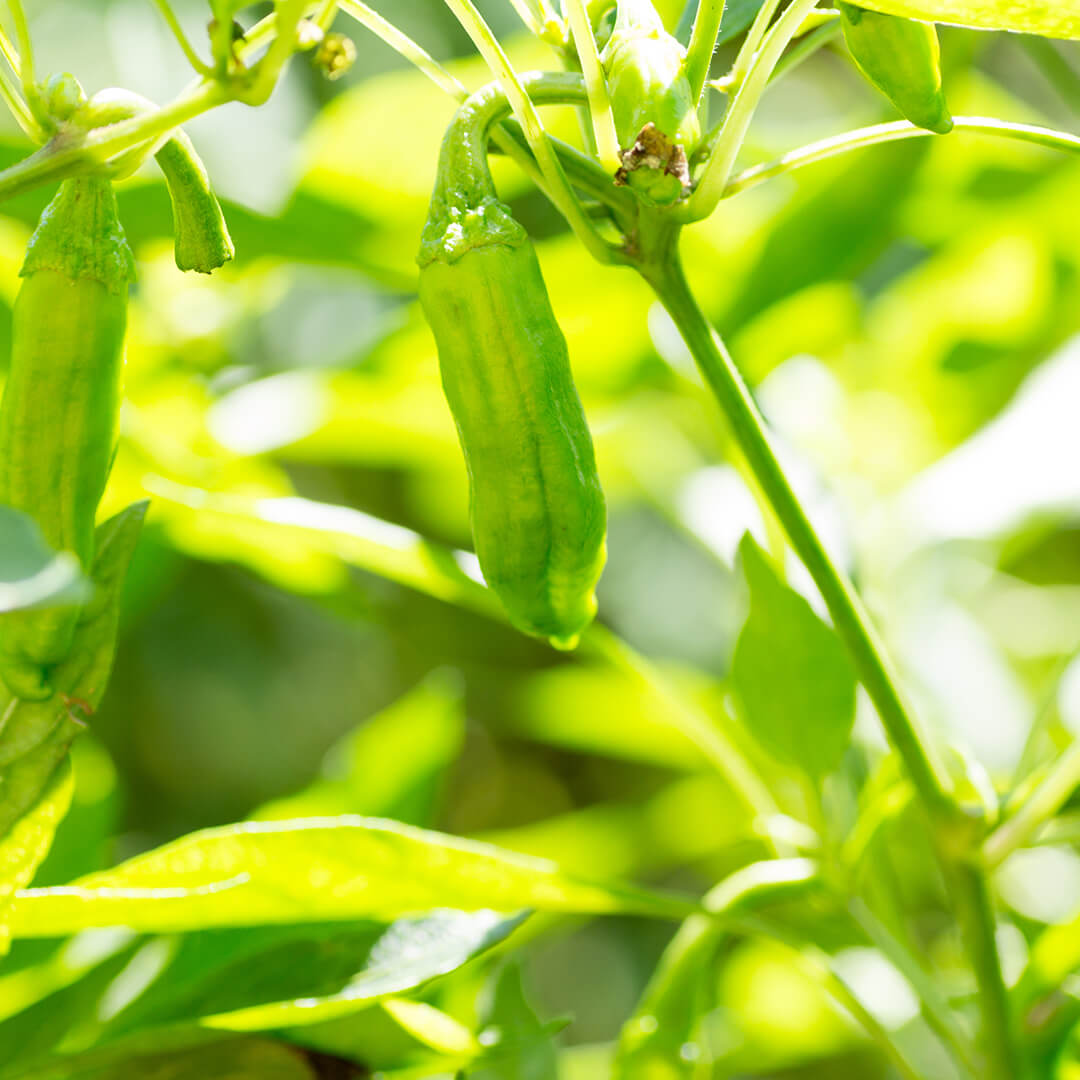
If a plant could be described as goth, this would be it. The Black Dracula is a dramatic dark-leaved take on the classic shishito, with deep purple-black foliage and near-black pods that make it as much an ornamental as an edible. It brings all the mild, sweet, blister-ready charm of a shishito, wrapped in a plant that looks genuinely striking in the garden or a pot.
At heart it's a shishito, the famous Japanese blistering pepper, so it shares that heritage: thin-walled, mild, sweet and grassy, and named for the lion's-head shape of its wrinkled tip. Like all shishitos it comes with the built-in surprise that roughly one pod in ten runs genuinely hot, turning every plateful into a mild game of chance. What sets the Black Dracula apart is the theatre of it: the dark stems, the moody foliage, and the deep near-black pods that ripen to red, a real showpiece plant.
The flavour is classic shishito: fresh, mild and slightly sweet, with a subtle smokiness that blooms when the pods char and blister. It's a flavour pepper first, grown as much for looks and eating as for any heat, and it delivers on both counts.
This one suits the grower who wants something eye-catching as well as tasty. It's mild enough for the whole family, productive, quick to crop, and gorgeous in a pot on the deck. If you like your edibles to earn their place on looks as well as flavour, the Black Dracula is a stunner.
Cultivation
Cultivation
Like all shishitos, the Black Dracula is easy and productive, and pleasingly quick to crop, which makes it a great choice for beginners and container gardeners, with the bonus of being genuinely ornamental.
Sow seeds indoors from late August to September. You can start in July with steady warmth, but this is a fast, obliging, early-fruiting variety, so spring sowing suits it well.
If you like, soak seeds for 12 to 24 hours before sowing to soften the coat, then pat them dry. Sow two seeds per cell, about 3 to 4 mm deep, in good seed-raising mix. Keep them consistently warm at 20 to 30°C. Annuum seeds are generally reliable and usually germinate within one to two weeks.
Keep the mix moist but never soggy. Once seedlings are up with a couple of true leaves, pot them on and keep them warm and bright. The dark foliage often develops its richest colour in good light, so give seedlings plenty of brightness.
When they reach 100 to 150mm tall and the weather has warmed properly, move them to their final home. These are compact plants, so they're perfect for pots and containers, where the dark foliage really shows off, as well as the garden. Full sun brings out the best colour and a bit of shelter suits them well.
The plants are small but crop well, so a short stake helps once they're carrying fruit.
Nothing come up yet? Read why chilli seeds can be slow to germinate.
Growing
Growing
The Black Dracula makes a compact, bushy, ornamental plant with striking dark purple-black foliage and stems, and it's productive with it. Despite its modest size, it'll set a good crop of those dramatic near-black pods, so it earns its space as both a looker and a cropper.
Pinch out the main growing tip early to encourage branching. More branches means more pods and a fuller, bushier plant to show off that dark foliage.
Water consistently, keeping the soil moist but never waterlogged. Pots dry fast in a NZ summer, so check them regularly, and steady watering keeps the plant cropping evenly.
Feed with a tomato fertiliser once flowering starts. Chillies and tomatoes want much the same things, so keep it simple.
Full sun is the key to the best colour: the more light the plant gets, the darker and richer the foliage and pods. It's a genuine dual-purpose plant, as happy earning its place in an ornamental border or a patio pot as in the veggie patch. Keep picking to keep it cropping through the season.
Like many chillies, it can be overwintered as a perennial. Bring it somewhere frost-free, cut it back in autumn, and it'll return in spring with a head start.
Harvesting
Harvesting
Expect your first pods around 60 to 75 days from transplant, which is quick as chillies go and one of the joys of a shishito-type.
Pick them at the dark, near-black stage when they're young and firm, at around 5 to 7cm, which is when they're at their best for eating and blistering. Picking regularly at this stage keeps the plant productive. Left on the plant, the pods will eventually ripen to red, turning softer and sweeter, which is fine for eating but loses the classic crunch, and the dark pods are half the appeal anyway.
Snip them off with scissors rather than tugging, since the branches can be brittle on a loaded plant. And pick often, because a constantly harvested plant keeps flowering and fruiting far longer than one left to sit.
No gloves needed here. At 50 to 200 SHU there's nothing on these pods to trouble your hands, though remember the shishito one-in-ten rule, so don't rub your eyes straight after prepping a big batch.
For storage, these are best used fresh, ideally straight into a hot pan while they're crisp. They keep a few days in the fridge, and freeze reasonably well though the crunch softens. But blistering fresh is the whole point, and those dark pods make an especially handsome plateful.
Heat Levels
Heat Levels
Let's set expectations: this is a very mild pepper, sitting at around 50 to 200 SHU, the same as a classic shishito. That's barely above a bell pepper and well below a jalapeño, more a gentle warmth than any real spiciness.
And it comes with the famous shishito twist: roughly one pod in ten runs genuinely hotter, perhaps 500 to 1,000 SHU, around Padrón or mild-poblano level. There's no telling which is which without tasting, which turns a plate of these into a mild, fun game of chance. Dramatic looks, gentle heat, occasional surprise, it's a fun combination.
As with all shishitos, the heat where it appears is nudged by growing conditions, with more sun and stress tending to produce more of the hot ones. So a plateful from a hot summer may spring a few more surprises.
For most cooks, the near-total mildness with the odd pleasant jolt is exactly the appeal, and here it comes with the bonus of a genuinely beautiful plant. It's a flavour-and-looks pepper, friendly for the whole household, with just enough unpredictability to keep things interesting.
Pests and Diseases
Pests and Diseases
An easygoing, productive plant with the usual short watch-list.
Aphids will go for the soft new growth in spring. A blast from the hose or a squash between the fingers handles small numbers, and ladybirds and lacewings do the rest if you let them. Whitefly can build up in a warm greenhouse, so yellow sticky traps and decent airflow keep them honest.
At the seedling stage, damping off is the main risk. Use fresh seed-raising mix, avoid overwatering, and give trays a bit of air movement. Slugs and snails will happily mow down young transplants overnight, so protect new plantings until they've toughened up.
On the disease front, most trouble is water-related. Overwatering invites root rot, and erratic watering can bring on blossom end rot, those dark sunken patches on the pod tips. Consistent moisture and free-draining mix prevent most of it, and this compact, hardy plant rarely gives much trouble.
Nothing here is dramatic. A well-watered, well-drained plant in a sunny spot will crop reliably and look wonderful doing it, which is the whole appeal of an ornamental edible like this.
Dishes
Dishes
The Black Dracula cooks up exactly like a classic shishito, and blistering is its calling.
Blistering is the signature. Toss the whole pods in a screaming-hot pan or on a grill with a little oil until the skins char, then finish with flaky salt. The thin walls blister in moments, the flesh turns sweet and smoky, and you eat them whole by the stem, one in ten delivering a little jolt. Those dark pods make a particularly dramatic plateful, especially charred and glistening.
From there, the usual shishito repertoire applies: serve them with a dipping sauce like soy and sesame or garlic aioli, scatter them over rice, noodles or salads, batter them into tempura, or add them to a quick stir-fry. Their roomy shape makes them good for stuffing with soft cheese, too.
Because the pods start so dark, they make a genuinely eye-catching starter or side, the kind of thing that gets a comment at the table before anyone's even tasted them. Fresh, simple and a little theatrical.
The through-line is the same as any shishito: fresh, mild, moreish cooking, eaten in quantity for pure enjoyment, with the bonus here of pods that look as good as they taste. Grow it for the drama, keep it for the blistered snacks.
Recipes
Recipes
Recipes from our kitchen using Black Dracula Shishito:
| Heat Level: | 50 – 200 SHUs |
| Type: | Mild |
| Species: |
Capsicum annuum |
| Origin: | Japan |
| Days to Harvest: | 60-75 days |
| Seeds per Pack: | 10+ pepper seeds |
Share


Excellent packaging. Fast delivery. Loved the detailed information booklet about different methods and advice for successful sowing. Seeds were excellent quality (and all had 10 or more seeds, as stated). Great contact/emails about when it was shipped etc.