

Ignition Seed Company
Biquinho (Yellow) Seeds
Biquinho (Yellow) Seeds
Couldn't load pickup availability
General
General
Meet one of the most charming chillies you can grow. The Yellow Biquinho is a little Brazilian sweetheart, tiny teardrop-shaped pods in bright, glossy yellow, borne in absolute abundance on an ornamental plant. It brings sweet, fruity, tangy flavour with just a tiny kiss of heat, and it's superb pickled, snacked on fresh, or simply admired on the plant.
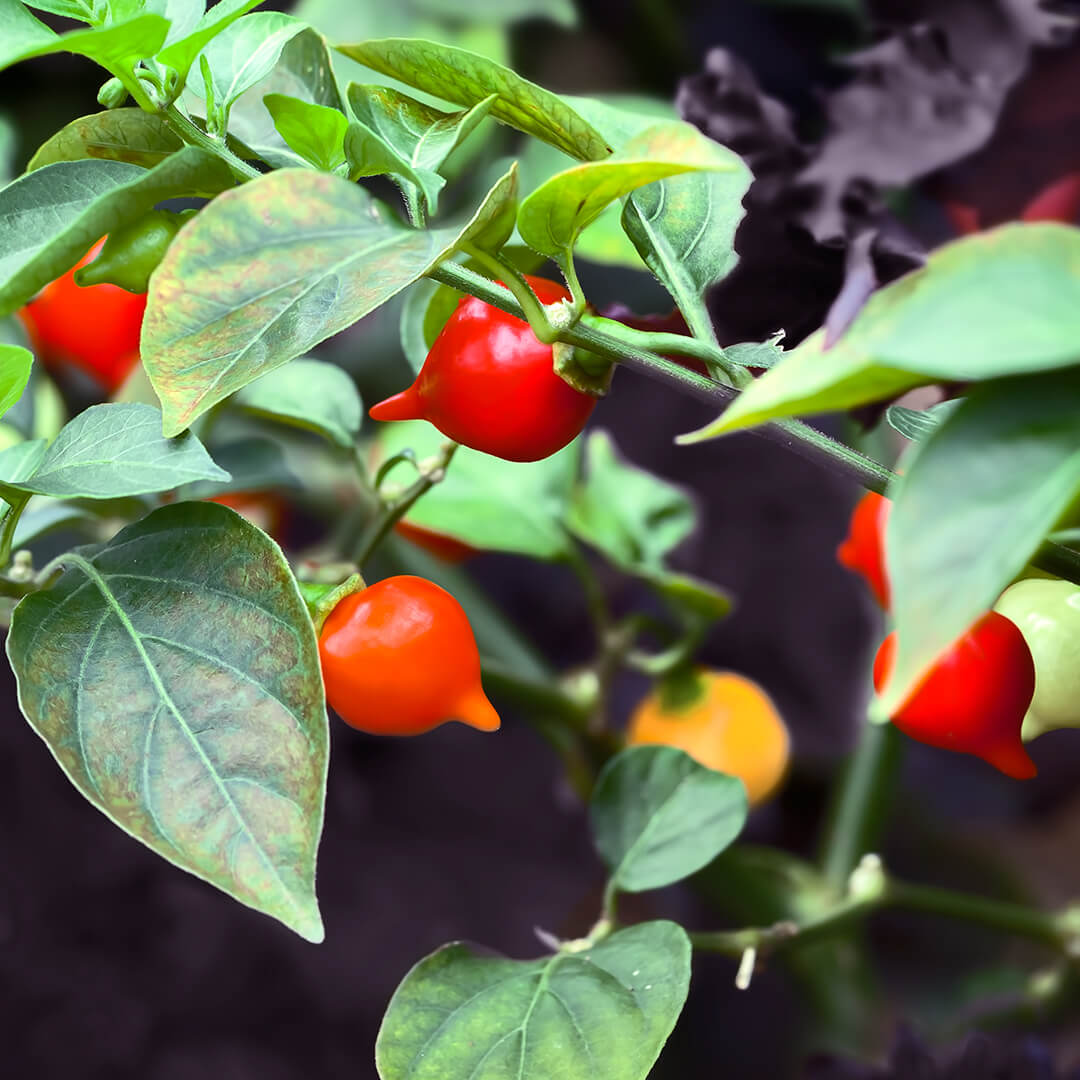
Biquinho means "little beak" in Portuguese, a nod to the pod's distinctive teardrop shape with its tiny pointed tip, and it's also known as the Sweety Drop when pickled, or Chupetinho in its native Brazil. It's a Capsicum chinense, the same species as the fiery habanero, but bred for a completely different purpose: this is a mild, sweet, flavour-first pepper. The pods ripen from pale green to a bright, glossy yellow, and a laden plant strung with pale gold teardrops is genuinely lovely.
The flavour is a delight, and unusually good for such a mild pepper: sweet, fruity and tangy, with an initial citrusy zip and that unmistakable tropical chinense aroma underneath, all the fragrance of a habanero relative with almost none of the fire. It's the kind of pepper you can happily eat by the handful.
This one's for the grower who wants beauty, flavour and easy eating in one plant. It's mild enough for anyone, wonderfully productive (50-plus pods to a plant is common), ornamental enough to earn a spot on the patio, and a classic for pickling. If you like a chilli you can enjoy for pure flavour, and admire while it grows, the Yellow Biquinho is a gem.
Cultivation
Cultivation
As a chinense, the Yellow Biquinho wants a long, warm season and a measure of patience for germination, much like its hotter cousins, even though there's little heat at the end of it.
Start seeds indoors from late August to September. You can go as early as July with steady warmth, but there's no beating a cold windowsill, and chinense seeds sulk when they're cold. Give them the season they need.
If you like, soak seeds for 12 to 24 hours before sowing to soften the coat, then pat them dry. Sow two seeds per cell, about 3 to 4 mm deep, in good seed-raising mix. Then give them consistent warmth around 20 to 30 degrees Celsius, ideally the warmer end. A heat pad earns its keep with chinense varieties. Pick one warm spot and leave the tray put, because steady beats spiky every time.
Patience helps here. Chinense seeds are slow, often two to four weeks or more to germinate, and don't overwater them while you wait or they can rot. The slow ones aren't dead, just unhurried, so hold your nerve.
Once seedlings are up with a couple of true leaves, pot them on and keep them warm and bright. Don't rush them outdoors: wait until they're 100 to 150mm tall and all frost risk has passed, then harden them off over a week or so.
For their final home, a pot of 20 litres or so suits this plant well, and its prolific, ornamental habit makes it a lovely container or patio plant. Full sun and a bit of shelter, and it'll get on with it.
Growing
Growing
The Yellow Biquinho makes a bushy, upright, ornamental plant, typically around 60cm to a metre, that fills with those pale gold teardrop pods, a genuinely pretty thing in a pot or border. It's extremely productive, often 50-plus pods to a plant, so it earns its place as both a looker and a heavy cropper.
Pinch out the main growing tip early to encourage branching. On a plant grown partly for its laden, ornamental look, more branches means both a fuller display and an even heavier crop of those little yellow teardrops.
Water consistently, keeping the soil moist but never waterlogged. Chinense varieties like even moisture, and pots dry fast in a NZ summer, so check them regularly. Steady watering also heads off blossom end rot on the pods.
Feed with a tomato fertiliser once flowering starts. Chillies and tomatoes want much the same things, so keep it simple.
It's a prolific cropper, and a well-grown plant absolutely covered in pale yellow teardrops is a lovely sight. Keep picking to keep it productive, though you may want to leave some on simply for the display.
And like all chinense, it's a perennial at heart. Overwinter it somewhere frost-free, cut it back in autumn, and it'll come away again in spring with a head start on anything sown from seed.
Harvesting
Harvesting
Expect your first ripe pods around 80 to 120 days from transplant. Chinense varieties take their time, so patience pays off, but a laden plant is worth the wait.
The pods start pale green and ripen to a bright, glossy yellow, at which point they're at their sweet, fruity best. Pick them fully coloured, when they come away with a gentle tug. Snip rather than pull to protect the branches, and pick regularly to keep the plant productive.
No gloves needed here. At this gentle heat level there's nothing on these pods to trouble your hands, so harvesting, prepping and snacking are all relaxed affairs, which is rather the joy of them.
The plant will keep flowering and setting fruit until the cold shuts it down, so expect a long, generous, staggered harvest through late summer and autumn.
For storage, these are a classic pickling pepper, and pickling is where they shine: their hollow teardrop shape, crisp texture and sweet flavour make them superb in a jar (the famous Sweety Drops), a hugely popular preparation in their native Brazil. They're also lovely fresh, keeping a week or so in the fridge, and they can be dried, though pickling and fresh eating are where they're at their best.
Heat Levels
Heat Levels
Let's set expectations: this is a very mild chilli. The Yellow Biquinho sits at around 500 to 1,000 SHU, a gentle warmth well below a jalapeno and barely registering as heat for most people, often described as a "little kiss" of heat that arrives and fades quickly. Its whole appeal is flavour over fire.
What you get instead of burn is that lovely sweet, fruity, tangy character: an initial citrusy zip, then the tropical fragrance and taste of a chinense pepper, with almost none of the punch. It's genuinely unusual to get this much fruity chinense flavour in something so mild, which is exactly what makes the Biquinho special. It's the kind of pepper you can eat by the handful, fresh off the plant, without any caution at all.
As with any chilli, growing conditions nudge the number a little, and a long hot summer might bring a touch more warmth (some sources cite up to around 2,000 SHU in hotter conditions), but even then this stays a gentle, approachable pepper. Its mildness is the feature, not a shortcoming.
For most cooks and growers, that gentle heat and standout flavour is the whole point. It's a chilli for enjoying, not enduring, and a rare chinense the whole family can happily munch.
Pests and Diseases
Pests and Diseases
An easygoing plant with the usual chinense watch-list.
Aphids will go for the soft new growth in spring. A blast from the hose or a squash between the fingers handles small numbers, and ladybirds and lacewings do the rest if you let them. Whitefly can build up in a warm greenhouse, so yellow sticky traps and decent airflow keep them honest.
At the seedling stage, damping off is the main risk, and it's worth stressing here because Biquinho seeds are slow and easily rotted by overwatering. Use fresh seed-raising mix, keep it moist but never soggy, and give trays a bit of air movement. Slugs and snails will happily mow down young transplants overnight, so protect new plantings until they've toughened up.
On the disease front, most trouble is water-related. Overwatering invites root rot, and erratic watering can bring on blossom end rot, those dark sunken patches on the pod tips. Consistent moisture and free-draining mix prevent most of it.
Nothing here is dramatic. A well-watered, well-drained plant in a sunny spot will crop prolifically and look lovely doing it, which is the whole appeal of an ornamental edible like this.
Dishes
Dishes
The Yellow Biquinho is a flavour-and-looks pepper, and its sweet, fruity, gentle character makes it a joy in the kitchen and beyond.
Pickling is its classic calling. Whole gold teardrops in a light brine make a beautiful, moreish pickle, sweet and fruity with a satisfying pop, sold worldwide as "Sweety Drops" and a hugely popular snack in Brazil's bars, where they're pickled with vinegar, garlic, herbs and a splash of cachaça. They're perfect for antipasto, salads, cheese boards and snacking straight from the jar.
Fresh, they're superb eaten by the handful, and lovely chopped into salsas and salads where the sweet, fruity flavour and gentle heat lift the dish without any burn. Their looks make them a natural garnish, too, scattered whole over a plate or a charcuterie board for a pop of gold colour and flavour.
They bring an interesting fruity note to marinades, sauces, jams and chutneys, and they pair beautifully with cured meats, cheeses and dark leafy greens. And because they're so mild, they're a brilliant way to introduce chinense flavour to anyone heat-shy, kids included.
The through-line is sweet, fruity flavour with beauty to match. Whether pickled into Sweety Drops, chopped fresh, or simply admired on the plant, the Yellow Biquinho is a pepper to enjoy for pure pleasure.
Recipes
Recipes
| Heat Level: | 500 – 1,000 SHUs |
| Type: | Mild |
| Species: |
Capsicum chinense |
| Origin: | Brazil |
| Days to Harvest: | 80-120 days |
| Seeds per Pack: | 10+ pepper seeds |
Share