


Ignition Seed Company
Aji Limón Lemon Drop Seeds
Aji Limón Lemon Drop Seeds
Couldn't load pickup availability
General
General
Aji Limón Lemon Drop: bright citrus flavour that makes everything taste fresher
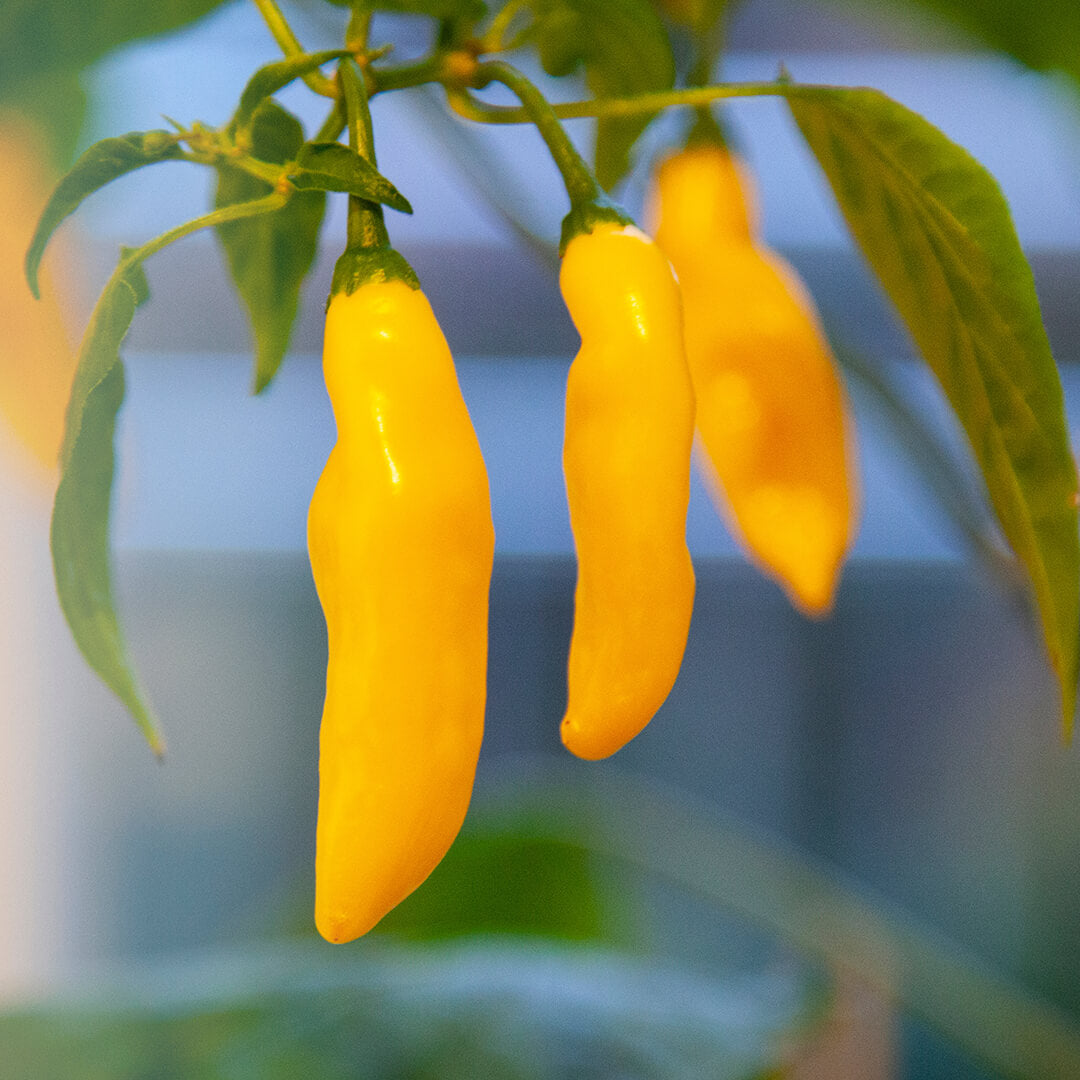
Aji Limón, often sold as Lemon Drop, is a Capsicum baccatum chilli celebrated for one thing above all: its vivid, zesty personality. The pods ripen to a sunny yellow, and the flavour is routinely described as citrus-forward — think bright lemony lift rather than sharp sourness. It’s the chilli you reach for when you want heat and flavour, without losing freshness.
In the kitchen, Lemon Drop is a natural match for seafood and summer food. It’s widely associated with Peruvian-style cooking, where its citrus character complements lime, coriander and fresh fish. But it’s just as at home in everyday NZ cooking: whisked into a simple vinaigrette, blended into mayo for burgers, or chopped into a salsa for BBQ night.
Another reason it’s loved by growers is how well it preserves. Lemon Drop pods are often described as thin-walled, which means they dry readily and make brilliant flakes or powder. That gives you a jar of sunshine-yellow seasoning you can use all year — a little sprinkle that wakes up eggs, roast veg, marinades and soups.
As a baccatum, Lemon Drop can be quite productive once it gets going. In NZ, the trick is giving it enough warmth early so it has the season length to set and ripen a strong crop before autumn cools. With a sunny, sheltered spot and steady watering, it becomes one of the most satisfying “flavour-first” chillies you can grow.
Cultivation
Cultivation
Aji Limón Lemon Drop is a baccatum, which many growers find a bit more forgiving than chinense superhots — but it still benefits hugely from a warm, steady indoor start in NZ.
NZ-appropriate sowing window (indoors)
• Late August–September: ideal for most NZ regions
• September–early October: cooler regions; prioritise warmth and strong light
• Earlier than August: only if you have a heat mat/propagator plus strong grow light (otherwise seedlings may stall)
Germination temperature range
Aim for 22–30°C, with best results typically coming from the mid-to-upper 20s and stable warmth overnight. Temperature swings are the biggest cause of slow or patchy germination.
Typical germination time
Expect 7–21 days in good conditions. It can take longer if nights cool down or the mix is kept too wet.
Seed-starting steps
• Use a fine, free-draining seed-raising mix in trays or small pots.
• Sow 5–8 mm deep; pre-moisten the mix so it’s evenly damp.
• Cover for humidity early, but vent daily to prevent damping-off.
• Keep warmth consistent; avoid cold windowsills overnight.
• Once seedlings emerge, provide bright light immediately to prevent legginess.
• Pot up when plants have several true leaves and roots begin filling the cell.
Troubleshooting
• Slow germination: stabilise warmth first; a heat mat often fixes it.
• Leggy seedlings: increase light intensity and reduce distance to the light source.
• Seedlings collapsing: reduce moisture, increase airflow, and water from below.
A strong seedling phase matters because Lemon Drop’s best flavour arrives at full yellow ripeness. The better your start, the more likely you’ll be picking bright yellow pods through late summer and into autumn.
Growing
Growing
Aji Limón Lemon Drop grows best with sun, warmth, airflow, and consistent moisture — plus a little protection from NZ wind.
Sun, shelter, airflow
• Aim for 6–8+ hours of sun daily.
• Prioritise wind shelter (fence line, hedge, north-facing wall). Wind-chill slows growth and can reduce flower set.
• Maintain airflow so foliage dries quickly after rain.
Soil guidance (including pH)
Peppers generally perform best in fertile, free-draining soil around pH 6.0–6.8. If you’re not testing pH, focus on structure: compost for organic matter, and drainage so roots never sit wet.
Pot vs ground
• Pots: a great NZ option. Aim for 15–25 litres for a strong plant with stable moisture.
• In-ground: choose your warmest bed; raised beds help if soil holds water.
Feeding, watering, staking/pruning
• Water deeply, then let the top couple of centimetres dry slightly before watering again. Avoid “drought then flood”.
• Feed lightly while establishing; once flowering starts, shift to a fertiliser that supports fruiting.
• Plants can become productive and pod-heavy; staking helps in breezy sites.
• Minimal pruning is needed; remove damaged leaves and lightly open crowded centres for airflow.
NZ-specific considerations
Transplant outdoors only after frost risk has passed and nights are reliably mild. In cooler microclimates, pots are your advantage — you can move plants into extra warmth during spring cold snaps and extend the season into autumn. Lemon Drop is at its best when it has time to colour fully, so late-season protection (and consistent feeding) can translate into noticeably better harvests.
Harvesting
Harvesting
Harvesting Lemon Drop is straightforward, but timing matters if you want the best citrus aroma and that signature sunshine colour.
Ripeness cues
• Pods typically mature from green to bright yellow.
• Look for firm fruit with full colour coverage and a strong aroma when gently rubbed.
• Some variation in final shade is normal depending on sun exposure and season.
How to pick without damaging the plant
• Use snips/secateurs and cut with a short stem attached.
• Avoid pulling; it can tear branches and reduce future flowering.
How to maximise yield
• Harvest regularly once pods are fully coloured; frequent picking encourages the plant to keep producing.
• Keep watering consistent during peak fruiting; big swings can trigger flower drop.
• Continue light feeding through summer if plants are still setting pods.
Post-harvest handling
This is where Lemon Drop really shines:
• Short-term storage: keep dry and cool; use within 1–2 weeks for peak aroma.
• Drying: thin-walled pods often dry efficiently; dehydrate until brittle and store airtight away from light.
• Freezing: freeze whole pods or chopped portions for easy midweek cooking.
• Fermenting: excellent for hot sauces where the citrus character remains front-and-centre.
• Infusions: add to vinegar for a bright, zesty chilli vinegar.
If you’re building a year-round pantry, make powder or flakes from a portion of your harvest. A small jar of Lemon Drop powder is one of the most useful seasonings you can produce: bright, fragrant heat that lifts everything from roast chicken to salad dressings.
Heat Levels
Heat Levels
Aji Limón Lemon Drop sits in the medium zone — hot enough to feel lively, but not so hot that it wipes out flavour.
Scoville range
Many reputable references and seed listings commonly cite 15,000–30,000 SHU for Lemon Drop. Some sources list higher figures (often up to around 50,000 SHU). Because those higher numbers aren’t as consistently repeated, the most dependable guidance is:
• Expect 15,000–30,000 SHU as a typical range, with occasional hotter outcomes depending on seed line and growing conditions.
Why heat varies
• Seed line differences sold under the same name
• Season warmth and sunlight
• Watering stress and plant health
• Ripeness at harvest
• Pod-to-pod variation
Flavour descriptors beyond “hot”
This chilli is prized for a clean citrus zing, often described as lemony with a fresh, bright lift. Many growers also mention light herbal or grassy notes — the sort of aroma that makes salsas and seafood dishes taste sharper and fresher.
Who it’s for
• Beginner: a great step up from mild chillies; start small and build.
• Everyday cooks: perfect for weekly use, especially fresh salsas and dressings.
• Preservers: excellent — dries and powders beautifully.
• Heat lovers: a flavour-first chilli that still brings a decent kick.
If you want a chilli that tastes like sunshine and works across fresh and preserved cooking, Lemon Drop is a top-tier choice.
Pests and Diseases
Pests and Diseases
In NZ gardens, Lemon Drop faces the usual chilli suspects. The good news: strong plants and prevention-first habits solve most issues quickly.
Common chilli issues
• Aphids: curled new tips, sticky honeydew
• Whitefly: tiny insects that flutter up when disturbed
• Spider mites: speckling and dull leaves; webbing in heavy infestations (often under cover)
• Fungal issues: encouraged by wet foliage and low airflow
• Root rot: poor drainage + overwatering, especially during cool spells
Prevention first
• Grow in sun with good airflow; don’t crowd plants.
• Water the soil, not the leaves.
• Ensure excellent drainage (raised beds or free-draining pot mix).
• Inspect weekly: leaf undersides and new tips are where pests start.
Organic controls
• Insecticidal soap for aphids/whitefly/mites (repeat applications often needed).
• Neem-based products can help with sucking pests; follow label directions.
• Yellow sticky traps to monitor flying pests like whitefly.
• Prune off heavily infested tips and dispose of them.
Warning signs to spot early
Sticky residue or ants (often aphids), speckled leaves (mites), and wilting in wet soil (drainage issue). The biggest NZ-specific risk is cold, wet roots early in the season. Keep the plant warm, don’t overwater in cool spells, and Lemon Drop will usually power on and produce reliably.
Dishes
Dishes
Lemon Drop is a flavour tool: it adds citrus lift and clean heat without weighing dishes down.
10 dish ideas
• Peruvian-style ceviche: finely minced for brightness with lime and coriander.
• Fresh salsa: tomato, onion, coriander, Lemon Drop and lime.
• Hot sauce: blend with vinegar, garlic and onion; add pineapple for a tropical edge.
• Fermented citrus sauce: Lemon Drop + garlic; add carrot for body.
• Chilli vinegar: steep sliced pods in vinegar for bright heat.
• BBQ (NZ-friendly): stir minced Lemon Drop into a yoghurt or mayo sauce for burgers.
• Fish: mix into a citrus dressing for grilled fish or prawns.
• Summer salad: tiny dice through a lime vinaigrette; brilliant with avocado.
• Roast chicken: add flakes or powder to a lemon-herb rub.
• Eggs: a pinch of Lemon Drop powder over scrambled eggs or fried eggs.
A few practical tips:
• Because it’s aromatic, use it late in cooking when you want flavour to stay bright.
• Powder and flakes are powerful; start with a small pinch and adjust.
• If you’re preserving, label jars clearly and keep them airtight — that citrus aroma is worth protecting.
This is the chilli that makes simple food taste more interesting — clean, sharp, and unmistakably fresh.
| Heat Level: |
15,000-30,000 SHU's |
| Type: |
Hot |
| Species: | Capsicum Baccatum |
| Origin: |
Peru |
| Days to Harvest: | 100+ days |
| Seeds per Pack: | 10+ pepper seeds |
Share


Service fast and great packaging, second year trying your varieties, last year's true to type and grew well
Thanks for the great feedback!
Really pleased to hear the seeds arrived quickly and are off to a strong start. Wishing you a great growing season — let us know how they turn out!
Awesome prompt service. Cant wait for these to grow both as a regular plant but also as a bonchi plant
Great packaging and good instructions. That's all there is to review now. We'll have to wait and see how the rest of the plant's growing journey goes. :)
I received my chilli seeds and I'm already planning my next order!
Service fast and great packaging, second year trying your varieties, last year's true to type and grew well
Thanks for the great feedback!
Really pleased to hear the seeds arrived quickly and are off to a strong start. Wishing you a great growing season — let us know how they turn out!
Awesome prompt service. Cant wait for these to grow both as a regular plant but also as a bonchi plant
Great packaging and good instructions. That's all there is to review now. We'll have to wait and see how the rest of the plant's growing journey goes. :)
I received my chilli seeds and I'm already planning my next order!