

Ignition Seed Company
Aji Guyana Seeds
Aji Guyana Seeds
Couldn't load pickup availability
General
General
Named for its home country on the northern coast of South America, the Aji Guyana is a baccatum with a big personality: bright yellow pods, a fruity citrus tang, and one of the more generous cropping habits you'll come across. If you love flavour-forward chillies with an easy-going heat, this one's a treat.
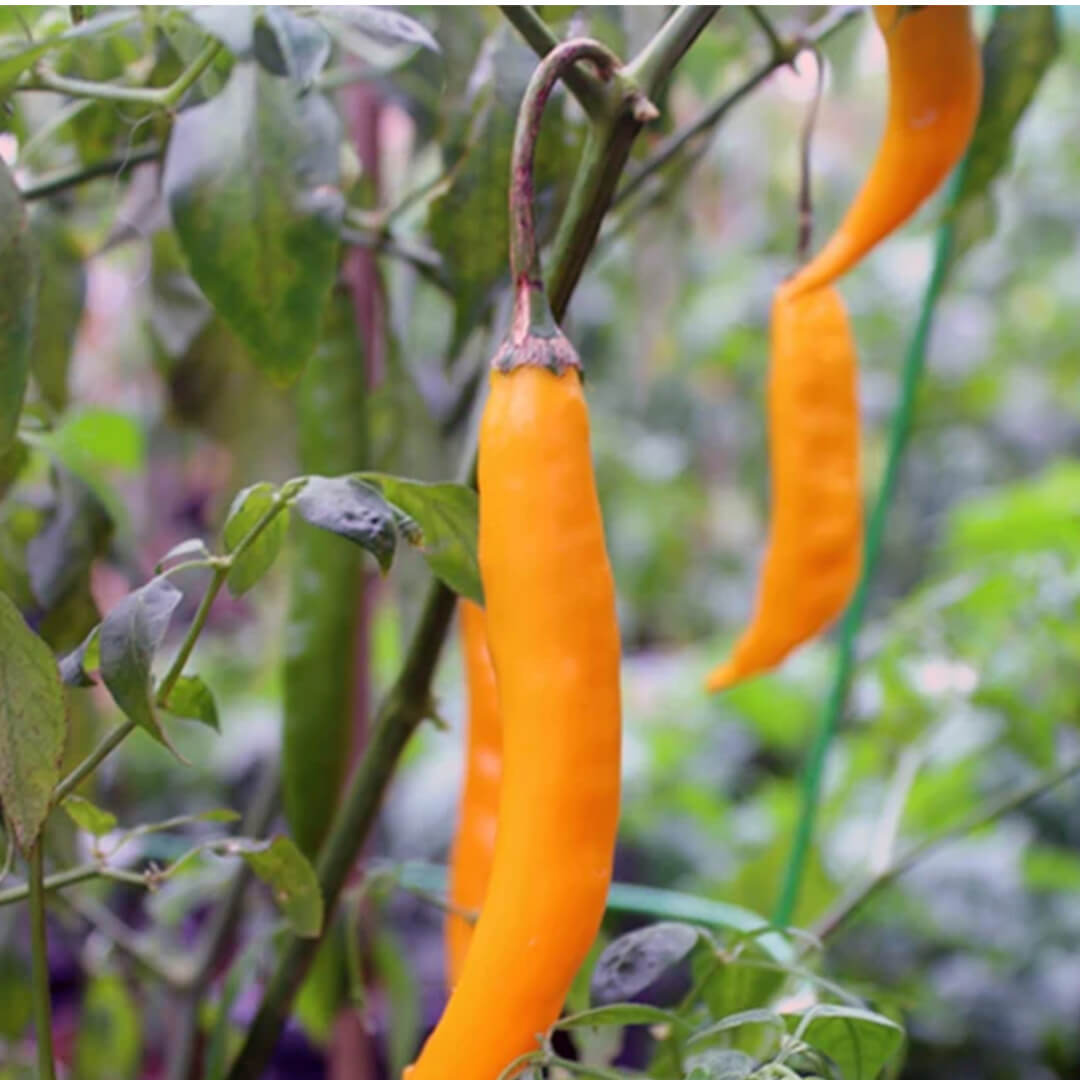
Sometimes called the Guyana Yellow or the "Little Bird of Guyana", it's a classic South American ají, grown for the same reasons the whole family is loved: flavour first, warmth second. The taste is fruity, citrusy and tangy, with a satisfying crunch, and a lingering, pleasant burn that complements rather than dominates. The conical pods, some 5 to 7cm, ripen from green to a warm, vivid yellow and hang prettily from the plant.
Like most baccatums it grows tall and vigorous, quickly and productively, so a stake is part of the deal. But it earns its keep, ripening pods in succession for a long harvest rather than one concentrated burst.
This one's for the cook and the flavour hunter. It's mild enough to be widely usable, distinctive enough to stand out, and productive enough to keep you well stocked. Whether you're building fresh salsas, drying pods for powder, or just want a fruity, characterful chilli that isn't the usual supermarket fare, the Aji Guyana delivers.
Cultivation
Cultivation
Baccatums like the Aji Guyana are rewarding and productive, but they like a long season, so give this one a head start in NZ.
Sow seeds indoors from late August to September, or a week or two earlier if you can offer steady warmth, since baccatum fruit takes time to ripen and the extra runway helps.
If you like, soak seeds for 12 to 24 hours before sowing to soften the coat, then pat them dry. Sow two seeds per cell, about 3 to 4 mm deep, in good seed-raising mix. Keep them consistently warm at 20 to 30°C. Baccatum seeds are generally reliable and usually germinate within a week or two, and this is noted as a fast, easy grower.
Keep the mix moist but never soggy. Once seedlings are up with a couple of true leaves, pot them on and keep them warm and bright.
When they reach 100 to 150mm tall and the weather has warmed properly, move them to their final home, in the ground or a pot of 20 litres or more. Full sun and shelter suit them well.
Plan for support from the start. The Aji Guyana grows tall and gangly and crops heavily, so it definitely needs staking. Get it in early rather than trying to prop up a loaded plant later.
Nothing come up yet? Read why chilli seeds can be slow to germinate.
Growing
Growing
The Aji Guyana makes a tall, fast-growing, highly productive plant, often exceeding a metre, with a gangly habit that genuinely needs support. Stake or cage it early and save yourself the bother later.
Pinch out the main growing tip early to encourage branching. On a plant this productive, more branches means more of those fruity yellow pods and a sturdier shape to carry them.
Water consistently, keeping the soil moist but never waterlogged. Pots dry fast in a NZ summer, so check them regularly, and steady watering also heads off blossom end rot.
Feed with a tomato fertiliser once flowering starts. Chillies and tomatoes want much the same things, so keep it simple.
This is an extremely productive variety, ripening well-shaped pods in succession for an extended harvest rather than a single flush. Keep picking to keep it cropping, and it'll reward you right through the season.
Being a baccatum, it's a perennial worth overwintering. Bring it somewhere frost-free, cut it back in autumn, and it'll return in spring with a head start, which is well worth it given how long baccatums take from seed.
Harvesting
Harvesting
Expect your first ripe pods around 90 to 110 days from transplant. Baccatums take a little while to get going, but the long, steady harvest that follows more than makes up for it.
The pods start green and ripen to a warm, bright yellow, at which point they're at their fruity, citrusy best. Pick them fully coloured, when they come away with a gentle tug. Snip rather than pull, since the branches can be brittle on a tall, loaded plant.
No gloves needed here. At 5,000 to 15,000 SHU there's little on these pods that'll trouble your hands, so harvesting and prep stay relaxed.
Keep picking regularly to keep the plant flowering and setting new fruit. With a cropper this generous, staying on top of the harvest is the main job.
For storage, this variety is a good all-rounder. It's excellent fresh, keeping a week or so in the fridge, and the pods dry well too, making a fruity, citrusy powder or flakes that keep for months in an airtight jar away from light. They freeze fine if you'd rather. Given the yield, you'll likely do all three, and still have pods to give away.
Heat Levels
Heat Levels
Let's set expectations: this is a mild to medium chilli, sitting at around 5,000 to 15,000 SHU. That spans from gentle jalapeño warmth at the low end up to a light serrano kick at the top, so most pods land in comfortably approachable territory with a satisfying, lingering burn.
What that moderate heat buys you is flavour. With the burn kept in check, the fruity, citrusy, tangy character of the Aji Guyana comes through clearly, which is exactly what a good baccatum should do. This is a chilli you eat for taste, with just enough heat to keep it interesting.
As always, individual pods and growing conditions vary. A long hot summer can push things towards the upper end of that range, and riper pods tend to carry a little more warmth, but even then this stays a friendly, usable pepper rather than a fierce one.
For most growers, that balance is the appeal. Enough heat to feel like a proper chilli, not so much that it drowns out the fruit, and versatile enough for fresh dishes, sauces and dried powders alike.
Pests and Diseases
Pests and Diseases
An easygoing, vigorous plant, but the usual watch-list applies.
Aphids will go for the soft new growth in spring. A blast from the hose or a squash between the fingers handles small numbers, and ladybirds and lacewings do the rest if you let them. Whitefly can build up in a warm greenhouse, so yellow sticky traps and decent airflow keep them honest.
At the seedling stage, damping off is the main risk. Use fresh seed-raising mix, avoid overwatering, and give trays a bit of air movement. Slugs and snails will happily mow down young transplants overnight, so protect new plantings until they've toughened up.
On the disease front, most trouble is water-related. Overwatering invites root rot, and erratic watering can bring on blossom end rot, those dark sunken patches on the pod tips. Consistent moisture and free-draining mix prevent most of it, and baccatums are generally tough customers.
Nothing here is dramatic. A well-watered, well-drained, well-staked plant in a sunny spot will crop prolifically with very little trouble.
Dishes
Dishes
The Aji Guyana is a flavour chilli through and through, and its fruity, citrusy, tangy character makes it a versatile kitchen ally.
Fresh salsas are a natural home. That bright citrus tang and satisfying crunch lift a fresh salsa beautifully, and the moderate heat means it seasons without overwhelming. It's equally good chopped into salads and marinades where a fruity, tangy note is wanted.
Sauces suit it well, too. Traditionally used in South American cooking to add fruity, citrus-like tones, it makes a lovely bright, characterful chilli sauce, on its own or blended with other fruit. The flavour holds up nicely against a little sweetness or acidity.
Dried and ground, it becomes a fragrant, citrusy powder that's a superb all-purpose seasoning, and the pods take well to pickling, preserving that tang and crunch for later. With such a heavy crop, drying and pickling are smart ways to make the most of a glut.
The through-line is that fruity, citrus-tangy brightness, the hallmark of a good baccatum, and the reason this one's worth growing. Whether fresh, sauced, dried or pickled, it brings a distinctive lift that ordinary chillies simply don't.
| Heat Level: | 5,000 – 15,000 SHUs |
| Type: | Medium |
| Species: |
Capsicum baccatum |
| Origin: | Guyana |
| Days to Harvest: | 90-110 days |
| Seeds per Pack: | 10+ pepper seeds |
Share