

Ignition Seed Company
Aji Charapita Seeds
Aji Charapita Seeds
Couldn't load pickup availability
General
General
Small but mighty, the Aji Charapita is a wild Peruvian chilli that punches well above its tiny size. The pods are barely pea-sized, little golden-yellow berries, but they pack a fierce, fruity-citrus punch and a flavour so prized it's been called one of the most expensive chillies in the world. Rare, gourmet and genuinely special, it's a treat for the adventurous grower and cook.
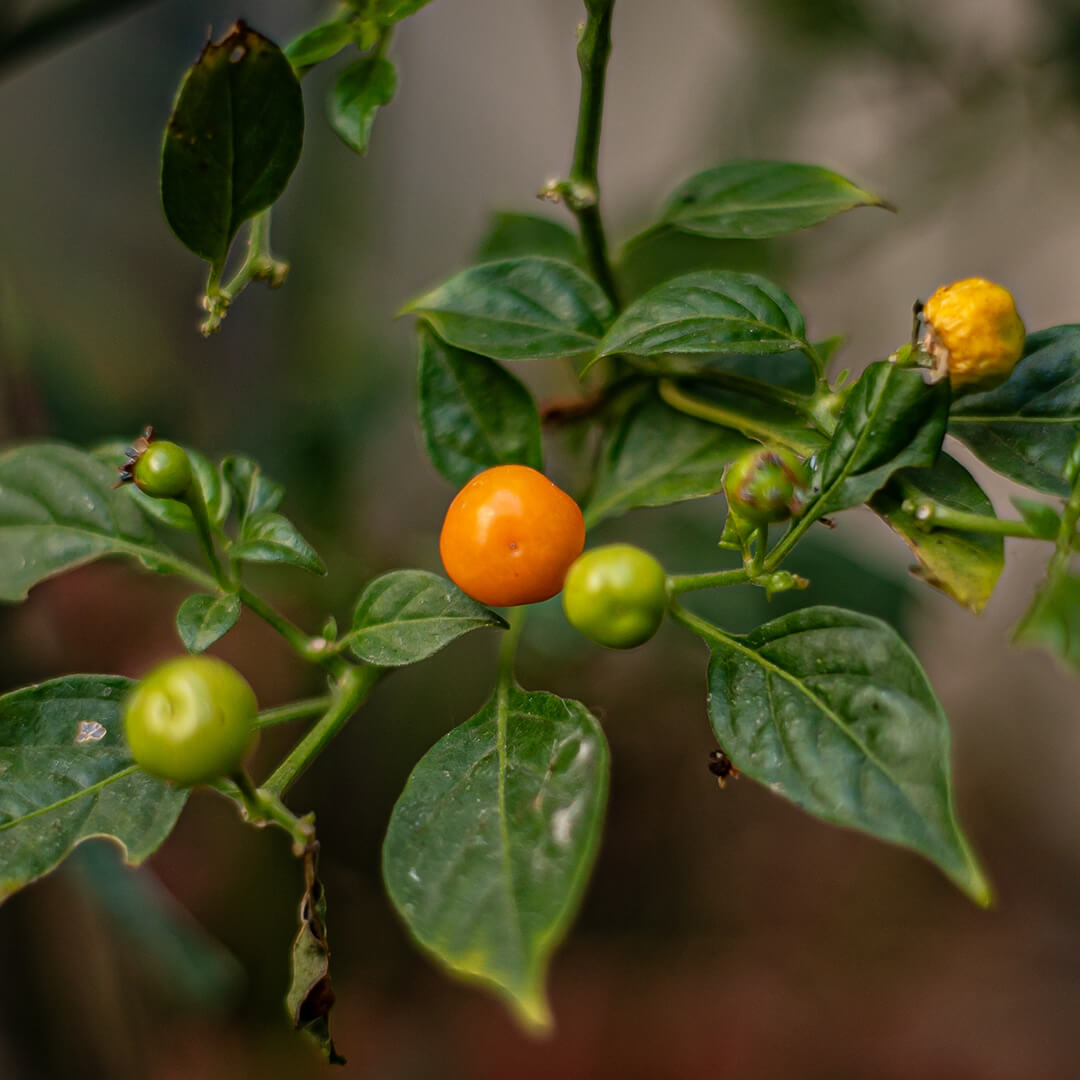
The Aji Charapita is a Capsicum chinense, a semi-wild pepper native to the northern high jungle of Peru, where it grows wild and is gathered and sold at local markets. The tiny round pods, just 5 to 8mm across, ripen to a bright, sunny yellow-gold and stud a bushy, remarkably productive plant in real abundance, a single plant can carry hundreds of these little berries. It's this combination of rarity, tiny size and intense flavour that's earned it a gourmet reputation and a premium price.
The flavour is the whole point, and it's exceptional: intensely fruity and citrusy, aromatic and floral, with a fierce but fast-fading heat. That big, bright, tropical flavour packed into such a tiny pod is exactly why chefs prize it as a finishing spice, a little sprinkle lifting a dish beautifully.
This one's for the adventurous grower and the keen cook, and it's a genuine talking point, growing your own supply of a famously pricey gourmet chilli. It carries a real, genuine heat, so it's got a proper kick, but the flavour is the star. Superb fresh as a finishing touch, in salsas, or infused into oils and sauces. A rare, special, wonderfully productive little plant.
Cultivation
Cultivation
As a semi-wild chinense, the Aji Charapita wants a long, warm season and a good measure of patience, and being close to its wild roots, its seeds can be especially slow and erratic to germinate, so don't lose heart.
Start seeds indoors from late August to September. You can go as early as July with steady warmth, but there's no beating a cold windowsill, and chinense seeds sulk when they're cold. Give them the season they need.
If you like, soak seeds for 12 to 24 hours before sowing to soften the coat, then pat them dry. Sow two seeds per cell, about 3 to 4 mm deep, in good seed-raising mix. Then give them consistent warmth around 20 to 30 degrees Celsius, ideally the warmer end. A heat pad earns its keep with wild chinense like this. Pick one warm spot and leave the tray put, because steady beats spiky every time.
Patience really helps here. Wild chinense seeds can be very slow, often three to six weeks or more to germinate, and the slow ones aren't dead, just unhurried. Keep the mix moist but never soggy and hold your nerve.
Once seedlings are up with a couple of true leaves, pot them on and keep them warm and bright. Don't rush them outdoors: wait until they're 100 to 150mm tall and all frost risk has passed, then harden them off over a week or so.
For their final home, a pot of 15 to 20 litres or more suits this bushy plant well, and it does beautifully in containers. Full sun, shelter from wind, and in cooler parts of the country a greenhouse or tunnel house makes the difference between a handful of berries and a proper, abundant harvest. Being a wild jungle plant, it especially loves warmth and humidity.
Nothing come up yet? Read why chilli seeds can be slow to germinate.
Growing
Growing
The Aji Charapita makes a bushy, spreading, remarkably productive plant, and a genuinely heavy cropper of those tiny golden berries, hundreds on a healthy plant. Its bushy habit and small size make it a superb container plant, and it can even be grown as an attractive potted plant indoors on a sunny sill.
Pinch out the main growing tip early to encourage branching. On a plant this productive, more branches simply means even more of those little berries.
Water consistently, keeping the soil moist but never waterlogged. Chinense varieties hate wet feet, and pots dry fast in a NZ summer, so check them daily once the heat sets in. Steady watering keeps the plant cropping heavily.
Feed with a tomato fertiliser once flowering starts. Chillies and tomatoes want much the same things, so there's no need to overcomplicate it.
Heat and sun are what this wild plant runs on. The warmer and sunnier its position, the better it grows and the more heavily it crops, which is why greenhouse growers get the most from wild chinense in cooler regions. Given warmth, its productivity is genuinely impressive for such a small pod.
And like all chinense, it's a perennial at heart, and a particularly good candidate for overwintering given its slow start and container-friendly size. Bring it somewhere frost-free, cut it back in autumn, and it'll come away again in spring with a real head start. Given how slow it is from seed, an overwintered plant is well worth it.
Harvesting
Harvesting
Count on your first ripe berries around 90 to 120 days from transplant, and often longer given the slow start, so patience pays off at both ends. Once it gets going, though, the harvest is generous and long.
The tiny pods ripen from green to a bright, sunny yellow-gold, at which point they're at their aromatic, fruity best. Pick them fully coloured, when they come away with the gentlest tug. Given how many there are and how small they are, harvesting is a fiddly but rewarding job, best done little and often as they ripen.
Given the genuine heat, it's worth washing your hands well after handling a batch, and keeping them from your eyes. At 30,000 to 50,000 SHU there's a real kick here despite the tiny size, so treat them with a bit of respect.
The plant will keep flowering and setting fruit until the cold shuts it down, so expect a long, generous, staggered harvest through late summer and autumn.
For storage, the little berries are superb fresh, keeping a week or so in the fridge, and they freeze well whole, a handy way to keep that big flavour on hand. They also dry readily, given their small size, into a fragrant, fruity spice, and they're wonderful infused whole into oils, vinegars and sauces.
Heat Levels
Heat Levels
Make no mistake, despite the tiny size, this is a genuinely hot chilli, sitting at around 30,000 to 50,000 SHU. That's a real, solid heat, roughly 6 to 10 times hotter than a jalapeno, comparable to a cayenne, all packed into a pod the size of a pea. Don't be fooled by how small and cute these berries are, they carry a proper punch.
But with the Aji Charapita, the flavour is the headline. What defines it is that intensely fruity, citrusy, aromatic character, bright and tropical and floral, with a heat that's fierce on arrival but fades relatively fast. It's this exceptional flavour-to-size ratio that makes it so prized as a gourmet finishing spice.
As always, individual pods vary with the season, the sun and the plant, and a long hot summer generally produces fiercer berries. Some sources cite heat as high as 100,000 SHU under intense conditions, so a hot NZ summer could push these towards the top of the range or beyond.
Handle it with sensible respect: wash up well after prepping a batch, and keep the berries away from eyes, kids and pets. Used with a measured hand, it brings a fierce, bright, fruity-citrus punch that lifts a dish beautifully, which is exactly why chefs love it.
Pests and Diseases
Pests and Diseases
The standard chinense watch-list, with a note or two for a wild plant that loves warm, sheltered spots.
Aphids head for the soft new growth first, usually in spring. Squash small numbers or blast them off with the hose, and encourage ladybirds and lacewings to handle the rest. Whitefly thrives in a warm greenhouse, which is just where this plant wants to be, so yellow sticky traps and good airflow keep numbers down.
Spider mites are the one to watch in a hot, dry tunnel house over summer. Look for fine speckling on the leaves and webbing underneath. They love dry air, so an occasional misting and decent ventilation go a long way.
At the seedling stage, damping off is the main threat, which really stings after weeks waiting for these slow wild seeds to germinate: fresh seed-raising mix, no overwatering, and a bit of air movement prevent most of it. Slugs and snails will take out young transplants overnight, so protect them until they've hardened up.
On the disease front, most trouble is water-related. Overwatering invites root rot, and erratic watering brings on blossom end rot. Consistent moisture and free-draining mix prevent both. Being close to its hardy wild roots, the Charapita is a fairly robust, resilient plant once established.
Nothing here should put you off. A well-fed, well-drained, well-ventilated plant shrugs off most problems, and rewards you with an astonishing crop of tiny gourmet berries.
Dishes
Dishes
The Aji Charapita is a gourmet finishing chilli above all, and its intense fruity-citrus flavour makes a little go a long way.
As a finishing spice is where it truly shines, and where its premium reputation comes from. A few fresh berries, whole or chopped, scattered over a finished dish, a ceviche, a salad, grilled fish or meat, a bowl of soup, add a burst of bright, fruity, citrusy heat and aroma right at the end. This is how Peruvian cooks and top chefs use it, and it's genuinely special.
Fresh, the berries are wonderful muddled into salsas and sauces, especially the classic Peruvian ají-style table sauces, where that intense fruity flavour and fierce heat shine. They're also lovely infused whole into oils and vinegars, lending their flavour and heat to dressings and marinades.
Their intense flavour makes them superb in hot sauces, a little bringing big fruity character, and they can be dried and ground into a fragrant, potent gourmet spice. Some cooks even use their fruity sweetness in unexpected ways, with fruit or in relishes.
The through-line is intense, bright, fruity-citrus flavour with a genuine kick, used as a finishing touch. Because the flavour is so concentrated and special, the Aji Charapita is a chilli you use in small, precious amounts, and one that makes a dish feel genuinely gourmet.
| Heat Level: | 53,000 – 500,000 SHUs |
| Type: |
Hot |
| Species: | Capsicum chinense |
| Origin: | Peru |
| Days to Harvest: | 90-120 days |
| Seeds per Pack: | 10+ pepper seeds |
Share