


Ignition Seed Company
Trinidad Scorpion Moruga Seeds
Trinidad Scorpion Moruga Seeds
Couldn't load pickup availability
General
General
Trinidad Scorpion Moruga: legendary heat, surprisingly fruity flavour
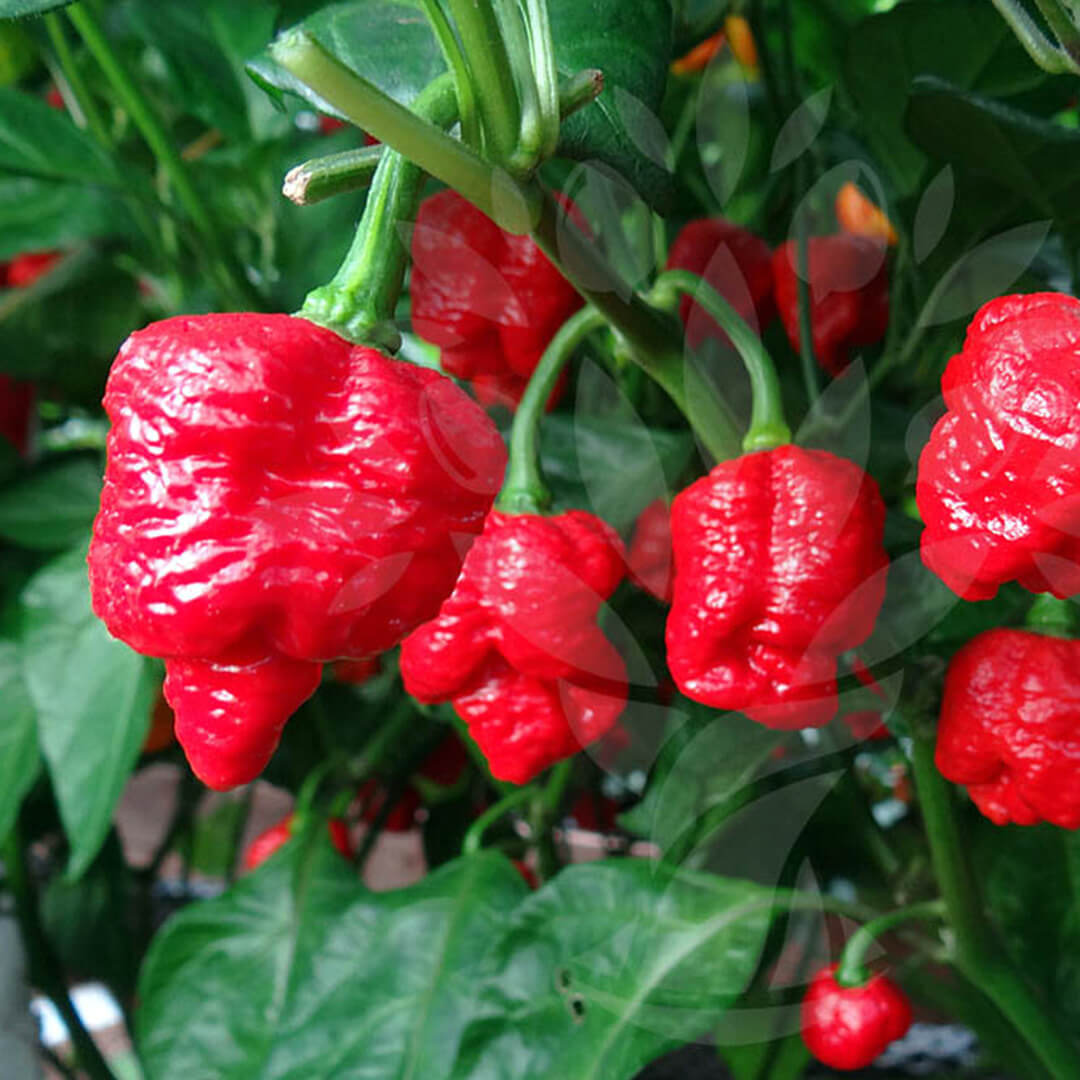
Trinidad Scorpion Moruga (often shortened to Moruga Scorpion) is a famous Capsicum chinense superhot associated with the Moruga region of Trinidad and Tobago. It’s known for its rugged, bumpy pods, intense aroma, and a heat profile that builds and builds. This is not a chilli you “slice into dinner” — it’s a precision ingredient, used in tiny amounts to bring serious intensity to sauces, ferments, rubs and powders.
What makes Moruga Scorpion special (beyond the heat) is that it’s often described as having a fruit-forward chinense flavour beneath the fire. That matters, because it means you can create sauces that taste bright and complex, not just painful. Think tropical, aromatic, slightly sweet notes that carry through fermentation and drying.
In the garden, Moruga Scorpion feels premium because it’s a proper project: a warm start, consistent care, and a long season. Do that well, and you get pods that look the part — gnarly, photogenic, and unmistakably “superhot”. In NZ, the value is in how much flavour and heat you can produce from a small number of plants, then preserve for year-round use.
Why it’s worth growing in NZ (for experienced growers):
• True superhot credibility with widely cited extreme SHU figures (variable by line/season).
• High-impact harvest: a little goes a very long way.
• Perfect for preserving: sauces, ferments, flakes and powders.
• A showpiece plant for chilli collectors and heat lovers.
If you want one superhot that’s both a trophy grow and a serious cooking tool, Trinidad Scorpion Moruga earns its legend.
Cultivation
Cultivation
Moruga Scorpion is a chinense type, and the seedling stage is where most NZ growers either set themselves up for success — or lose precious season length. Your focus is stable warmth, steady moisture, and strong light from day one.
NZ-appropriate sowing window (indoors)
• Late August–September: ideal for most of NZ
• September–early October: cooler regions (prioritise warmth and light)
• July–August: only if you have a heat mat/propagator plus strong grow light (otherwise seedlings can stall)
Germination temperature range
Chillies need constant warmth to germinate well. A practical target for Moruga is 25–30°C at seed-mix level, with a reliable baseline of at least 23°C if you’re using a warm indoor spot. Stability matters more than chasing the hottest number.
Typical germination time
Expect 14–28 days as a sensible range for superhots, sometimes longer if temperatures fluctuate or the mix runs too wet. This is normal — patience is part of the process.
Seed-starting steps
• Use a fine, free-draining seed-raising mix in cell trays or small pots.
• Sow 5–8 mm deep; pre-moisten the mix so it’s evenly damp.
• Cover for humidity early, but vent daily to reduce damping-off.
• Keep warmth consistent day and night (a thermostat heat mat is ideal).
• Once seedlings emerge, provide bright light immediately to avoid legginess.
• Pot up when plants have several true leaves and roots fill the cell.
Troubleshooting
• Slow/no germination: almost always temperature instability — stabilise warmth first.
• Seedlings collapsing: too wet + stale air; vent more and water from below.
• Leggy seedlings: light too weak; increase intensity and reduce distance.
A strong start is everything with Moruga. In NZ, those extra early weeks of healthy growth often decide whether you harvest a handful of green pods — or a proper ripe superhot crop.
Growing
Growing
Moruga Scorpion thrives when you treat it like the tropical chinense it is: sun, heat, shelter, and consistency.
Sun, shelter, airflow
• Aim for 6–8+ hours of sun daily.
• Prioritise wind shelter (courtyard, fence line, hedge). Wind-chill in NZ spring can slow chinense growth and reduce fruit set.
• Keep airflow through foliage so leaves dry quickly after rain.
Soil guidance (including pH)
Peppers generally perform best in fertile, well-drained soil around pH 6.0–6.8. If you’re not measuring pH, focus on drainage and organic matter: compost improves structure and helps maintain steady moisture without waterlogging.
Pot vs ground
• Pots (often best in NZ): use 25–40 litres to support a long season and reduce watering swings. Pots also let you move plants to your warmest microclimate.
• In-ground: choose your warmest bed; raised beds help if your soil holds water.
Feeding, watering, staking/pruning
• Water deeply, then let the top couple of centimetres dry slightly before watering again. Avoid “drought then flood”.
• Feed lightly while establishing; once flowering begins, shift to a fertiliser that supports fruiting.
• Moruga can become a substantial plant and may need staking as pods load up.
• Minimal pruning is needed; remove damaged leaves and lightly open crowded centres for airflow.
NZ-specific considerations
Transplant outdoors only after frost risk has passed and nights are reliably mild. In cooler microclimates, pots are your advantage: move plants to a north-facing wall, under eaves, or into a sheltered spot during cold snaps. Moruga is often described as taking 120–150+ days from seed to harvest in many guides, so your warmest site and earliest strong start are what deliver ripe pods in NZ conditions.
Harvesting
Harvesting
Harvesting Moruga Scorpion is about ripeness, safety, and preserving the crop. These pods are powerful — treat them with respect.
Ripeness cues
Moruga Scorpion pods are commonly described as ripening from green to red, often developing pronounced wrinkling and a bumpy, “scorpion-like” shape as they mature. Look for:
• Full red colour coverage
• Firm pods with strong aroma
• A “set” wrinkled texture (not soft or collapsing)
How to pick without damaging the plant
• Use snips/secateurs and cut with a short stem attached.
• Avoid pulling; branches can tear when plants are loaded.
How to maximise yield
• Harvest ripe pods regularly to encourage continued flowering.
• Keep watering consistent during heavy fruiting; large swings can trigger flower drop.
• Continue light feeding through summer if plants are still setting pods.
Post-harvest handling
Moruga is built for preservation:
• Freezing: portion whole pods or chopped pieces into labelled bags for controlled future use.
• Drying: dehydrate until brittle; store airtight away from light. Grind carefully with strong ventilation.
• Fermenting: ideal for hot sauce bases; the chinense aroma often carries through well.
• Flakes/powder: small amounts can season entire meals — label clearly.
Safety basics
• Wear gloves for harvesting and cutting.
• Avoid touching eyes/face; wash hands, boards and knives thoroughly.
• Be cautious when dehydrating or grinding: chilli dust travels and lingers.
Timing note
“Days to maturity” varies depending on whether the number is counted from sowing or transplanting, and NZ microclimates can shift timing significantly. Harvest by colour + firmness + aroma for best flavour, and focus on extending warmth late in the season so pods fully ripen.
Heat Levels
Heat Levels
Moruga Scorpion is extreme — one of the peppers that helped define the modern superhot era.
Scoville range
A commonly repeated figure is an average around ~1.2 million SHU, with some reporting noting samples above 2 million SHU in measured contexts. Because SHU can vary by seed line, growing conditions, and testing approach, the safest grower guidance is:
• Expect roughly 1.2 million SHU as a typical “headline”, with higher reports (2M+) sometimes cited.
Why heat varies
• Genetics/phenotypes (different lines circulating under the same name)
• Sun/heat units across the season
• Watering stress and plant health
• Ripeness at harvest
• Pod-to-pod variation on the same plant
Flavour descriptors beyond “hot”
Moruga is often described as having a fruit-forward chinense flavour beneath the heat — aromatic, sometimes sweet/tropical — which is why it’s valued in sauces and ferments rather than only used as a novelty.
Who it’s for
• Beginner: not recommended.
• Intermediate chilli fans: only if you already handle superhots responsibly and use tiny quantities.
• Sauce makers/fermenters: ideal — maximum flavour and heat per pod.
• Collectors: absolutely — it’s a landmark variety with serious reputation.
If you want superhot intensity with a flavour profile that still shows through, Moruga Scorpion is one of the most iconic choices you can grow.
Pests and Diseases
Pests and Diseases
In NZ, Moruga Scorpion faces the standard chilli issues — but because it’s a long-season plant, small problems can become big ones if ignored.
Common chilli issues
• Aphids: curled new tips, sticky honeydew
• Whitefly: tiny insects that flutter up when disturbed
• Spider mites: speckling and dullness; webbing in heavier infestations (often under cover)
• Fungal issues: encouraged by wet foliage and low airflow
• Root rot: poor drainage + overwatering, especially during cool spells
Prevention first
• Grow in sun with good airflow; don’t crowd plants.
• Water the soil, not the leaves.
• Use free-draining pot mix and ensure pots never sit in water.
• Inspect weekly: leaf undersides and new tips are where pests start.
Organic controls
• Insecticidal soap for aphids/whitefly/mites (repeat applications often needed).
• Neem-based products can help with sucking pests; follow label directions.
• Yellow sticky traps to monitor flying pests like whitefly.
• Prune off heavily infested tips and dispose of them.
Warning signs to spot early
Sticky residue or ants (often aphids), speckled leaves (mites), and sudden wilting in wet soil (drainage/root issue). Keeping Moruga healthy is about consistency: stable moisture, warmth, and early pest control. That stability is what supports flowering, fruit set, and late-season ripening — the three things that matter most for superhots in NZ.
Dishes
Dishes
Moruga Scorpion is a micro-dose chilli. Use it to build flavour and heat in controlled amounts — not as a main vegetable.
10 dish ideas
• Fermented superhot sauce: Moruga + garlic + onion; add carrot for body.
• Bright vinegar sauce: vinegar + citrus + a tiny piece of pod for lift.
• BBQ (NZ-friendly): micro-dice into a honey–soy glaze for chicken wings or pork ribs.
• Chilli salt: dried Moruga powder blended with flaky salt (label clearly).
• Burger heat: a pinhead amount stirred into mayo with lemon and smoked paprika.
• Pickle brine booster: one small piece can heat a whole jar.
• Marinade spike: tiny amount blended into garlic-lime marinades.
• Stew depth: add a small piece to chilli con carne or bean stew, remove later.
• Chilli oil (carefully): use dried flakes for control, then strain.
• Finishing dust: a light sprinkle over roast veg or grilled meats.
Safe handling tips (non-negotiable)
• Wear gloves for cutting, blending and deseeding.
• Use strong ventilation when dehydrating or grinding.
• Label powders and sauces clearly, store securely, and avoid cross-contamination on chopping boards.
Moruga’s strength is efficiency: one pod can last weeks. Used with respect, it’s one of the best peppers for making a small batch of food taste bold and unforgettable.
| Heat Level: | 800,000 – 1.200,000 SHUs |
| Type: |
Super Hot |
| Species: |
Capsicum Chinense |
| Origin: | Trinidad and Tobago |
| Days to Harvest: | 100+ days |
| Seeds per Pack: | 10+ pepper seeds |
Share


Very slow postage but happy with product and all the information that came with the seeds,
Very slow postage but happy with product and all the information that came with the seeds,