


Ignition Seed Company
Pimientos de Padrón Seeds
Pimientos de Padrón Seeds
Couldn't load pickup availability
General
General
Pimientos de Padrón: the Spanish tapa pepper that keeps dinner interesting
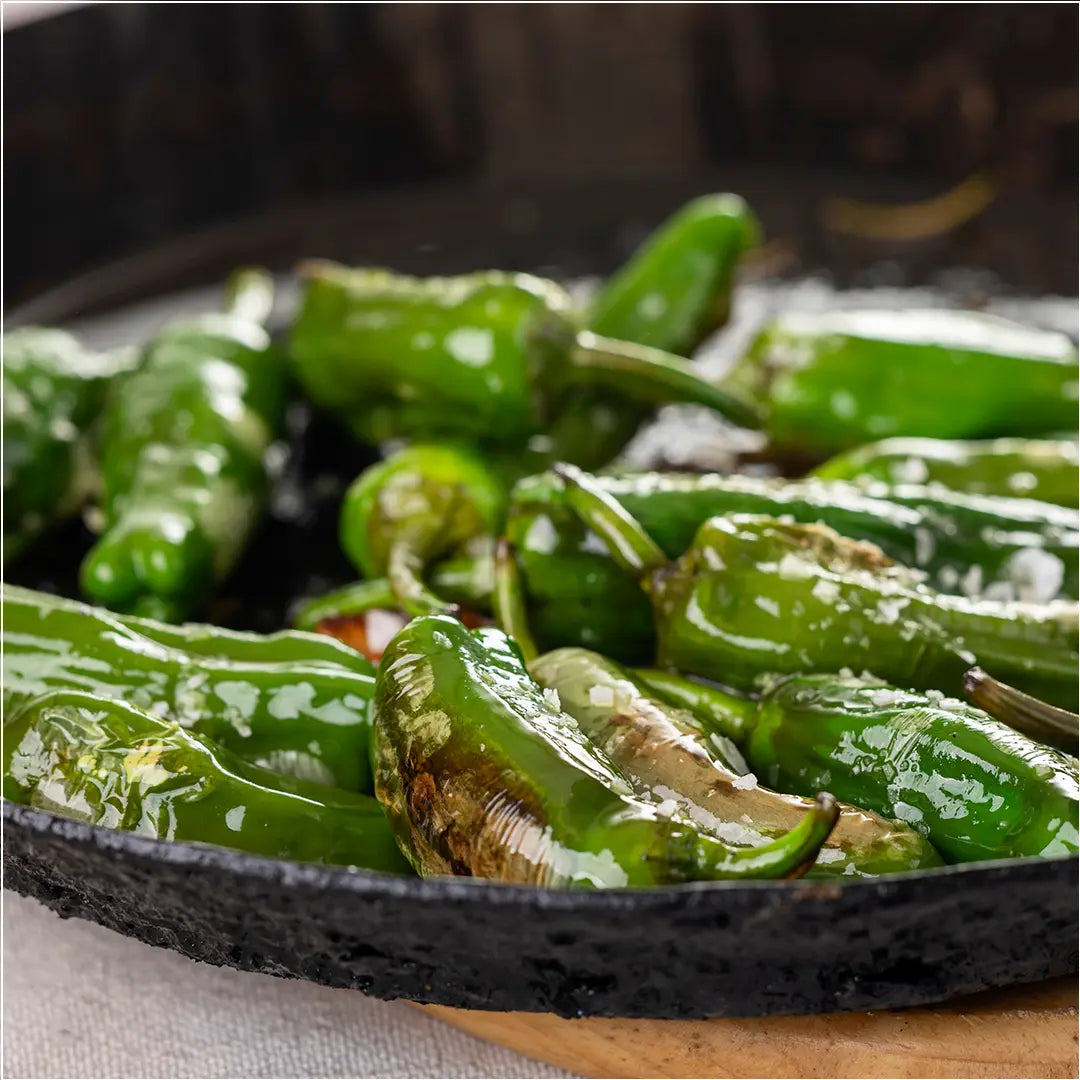
Pimientos de Padrón are a classic Capsicum annuum pepper from north-western Spain, best known for one irresistible trait: most are mild… and then one occasionally isn’t. It’s the pepper behind the famous saying that translates to “some are hot and some are not”, and it turns a simple plate of blistered peppers into a little moment of suspense.
Flavour is the real reason they’ve become a staple. Picked young and green, Padrón peppers are fresh, gently sweet and slightly nutty, with a soft peppery bite that pairs beautifully with olive oil, flaky salt and a squeeze of lemon. They’re traditionally harvested small and served as a fast, shareable snack — exactly the kind of thing that fits a Kiwi summer table: quick, hot, and gone in minutes.
For NZ growers, Padrón is a brilliant “use-it-every-week” chilli. The plants tend to be productive, and because you harvest pods small, you can start picking early and keep the plant pumping out fruit. They grow well in pots (handy for warmth and shelter) and also do nicely in garden beds with good drainage and full sun.
Why it’s worth growing in NZ:
• Perfect for quick cooking: blister, salt, serve.
• Mostly mild heat with occasional surprises.
• Great in pots for decks and patios.
• High yield potential through summer when picked regularly.
If you want a chilli that’s more about flavour, fun and fast meals than sheer heat, Pimientos de Padrón are a top-tier choice.
Cultivation
Cultivation
Padrón peppers are Capsicum annuum, which generally means reliable germination and earlier cropping than many superhot types — ideal for NZ growers who want results without drama.
NZ-appropriate sowing window (indoors)
• Late August–September: ideal for most NZ regions
• September–early October: cooler regions; prioritise warmth and strong light
• Earlier than August: only if you can provide consistent warmth and bright light (otherwise seedlings may stall)
Germination temperature range
Aim for 24–30°C at the seed-mix level for quickest, most even results. They can germinate cooler, but warmth is what keeps things moving in NZ’s late-winter nights.
Typical germination time
Expect 7–14 days in good conditions, sometimes up to 21 days if temperatures fluctuate.
Seed-starting steps
• Use a fine, free-draining seed-raising mix in trays or small pots.
• Sow 5–8 mm deep and gently firm the mix so seeds stay in contact with moisture.
• Keep the mix evenly damp, not wet. Think “wrung-out sponge”.
• Cover for humidity early, but vent daily to reduce fungal risk.
• Maintain steady warmth; cold windowsills overnight are a common mistake.
• As soon as seedlings emerge, give bright light immediately to prevent legginess.
Troubleshooting
• Slow germination: temperature is usually the culprit — stabilise warmth first.
• Leggy seedlings: light too weak or too far away; increase intensity and reduce distance.
• Seedlings collapsing: overwatering + poor airflow; vent more and water from below.
Pot up when plants have several true leaves and roots begin filling the cell. A strong early start sets you up for earlier picking — and because Padrón is harvested young, that can mean a long, generous season of blister-and-salt snacking.
Growing
Growing
Padrón peppers thrive on sun, shelter and steady care, and they respond brilliantly to regular picking — the more you harvest, the more they tend to produce.
Sun, shelter, airflow
• Aim for 6–8+ hours of sun daily.
• Provide wind shelter if possible; wind-chill in NZ spring can slow growth and knock flowers.
• Maintain airflow so leaves dry quickly after rain and pests are easier to manage.
Soil guidance (including pH)
Peppers generally perform best in fertile, free-draining soil around pH 6.0–7.0. If you’re not testing pH, focus on structure: compost for organic matter, and drainage so roots never sit wet.
Pot vs ground
• Pots: an excellent NZ option. Aim for 12–20 litres for a strong plant and stable moisture.
• In-ground: choose a warm bed with good drainage; raised beds help if your soil holds water.
Feeding, watering, staking/pruning
• Water deeply, then let the top couple of centimetres dry slightly before watering again. Avoid “drought then flood”.
• Feed lightly while establishing; once flowering begins, shift to a fertiliser that supports fruiting.
• Plants can get pod-heavy; a small stake or cage helps in breezy spots.
• Pruning is minimal: remove damaged leaves and open crowded centres slightly for airflow.
NZ-specific considerations
Transplant outdoors only after frost risk has passed and nights are reliably mild. If your spring stays cool, grow in a pot and position it against a north-facing wall to capture extra warmth. In coastal or exposed areas, shelter makes a noticeable difference to flower retention and fruit set.
A key tip for Padrón: pick frequently. Harvesting young pods encourages the plant to keep flowering, and it also tends to keep peppers milder — perfect if you’re chasing that classic tapas experience with only the occasional surprise.
Harvesting
Harvesting
Pimientos de Padrón are all about harvesting at the right moment: small, green and tender. That’s when the flavour is sweetest and the blistered-skillet texture is at its best.
Ripeness cues
• Harvest when pods are green, glossy and firm, before they fully size up.
• Traditional picking is often around 4–7 cm long (size varies by plant and growing conditions).
• If left longer, pods may grow larger and eventually colour, and heat can become more noticeable.
How to pick without damaging the plant
• Use snips/secateurs and cut with a short stem attached.
• Avoid pulling; it can tear branches and reduce future flowering.
How to maximise yield
• Harvest regularly — ideally every few days in peak season.
• Keep watering consistent during heavy fruiting; big swings can trigger flower drop.
• Continue light feeding through summer if the plant is still pushing new growth and flowers.
Post-harvest handling
• Cook soon for best texture: Padrón peppers are at their best freshly harvested.
• Short-term storage: keep dry and cool; use within a week for best blistering performance.
• Freezing: possible, but texture softens — better suited to cooked dishes than tapas-style blistering.
• Pickling: works well for a tangy snack or sandwich topping, though it’s less traditional than blistering.
If you want the classic result, keep it simple:
• Hot pan
• A little oil
• Whole peppers until blistered
• Finish with flaky salt
The magic is in the contrast: smoky blistered skin, sweet green flesh, and the occasional pepper with a cheeky kick. Harvesting young keeps that balance exactly where you want it.
Heat Levels
Heat Levels
Padrón peppers are mostly mild, with the famous twist that some can be noticeably hotter. That unpredictability is part of their charm — and part of why they’re such a fun shared plate.
Scoville range
Multiple reputable references commonly cite 500–2,500 SHU for Padrón peppers. That places most of them in the gentle-to-mild category, similar to other mild chillies.
Why heat varies
• Genetics within the landrace/cultivar (not every pod behaves the same)
• Weather and temperature during fruit development
• Watering stress and plant health
• Pod maturity at harvest (older/larger fruit can trend hotter)
Flavour descriptors beyond “hot”
Even when mild, Padrón peppers have a distinct character: fresh green pepper flavour, gentle sweetness, and a slight nuttiness that becomes more pronounced when blistered. When you do hit a hotter pod, it tends to be a quick, sharp lift rather than a deep, lingering burn.
Who it’s for
• Beginner: perfect — approachable heat and easy growing.
• Families and mixed crowds: ideal because most pods are mild.
• Foodies: brilliant for tapas nights and BBQ sides.
• Heat lovers: you’ll enjoy the “roulette”, but it’s not a superhot.
If you want to keep them milder, harvest them small and young, keep plants well-watered (not stressed), and pick regularly. If you like more of a kick, let a few pods size up a little longer — just expect the results to vary. That’s the Padrón promise.
Pests and Diseases
Pests and Diseases
Padrón peppers handle NZ conditions well, but they can still attract the usual chilli pests — especially when plants are lush and sheltered.
Common chilli issues
• Aphids: curled new tips, sticky honeydew
• Whitefly: tiny insects that flutter up when disturbed
• Spider mites: speckling and dull leaves; webbing in heavy infestations (often under cover)
• Fungal issues: encouraged by wet foliage and low airflow
• Root rot: poor drainage + overwatering, especially during cool spells
Prevention first
• Grow in sun with good airflow; don’t crowd plants.
• Water the soil, not the leaves.
• Ensure good drainage (raised beds or free-draining pot mix).
• Inspect weekly: leaf undersides and new tips are where pests start.
Organic controls
• Insecticidal soap for aphids/whitefly/mites (repeat applications often needed).
• Neem-based products can help with sucking pests; follow label directions.
• Yellow sticky traps to monitor flying pests like whitefly.
• Prune off heavily infested tips and dispose of them.
Warning signs to spot early
Sticky residue or ants (often aphids), speckled leaves (mites), yellowing with slow growth (root issues), and leaf spots that spread after wet weather. The simplest wins are often environmental: better airflow, less leaf-wetting, and avoiding soggy roots.
Because Padrón peppers are harvested frequently, keeping plants healthy pays off fast — you’ll see it in the next flush of flowers and pods. A tidy, well-fed plant with steady moisture will keep producing the small, tender peppers you want for blistering.
Dishes
Dishes
Padrón peppers were born for quick cooking. They’re a “five-minute win” that feels premium, especially when served hot and simply seasoned.
10 dish ideas
• Classic blistered Padrón: hot pan, olive oil, blister, flaky salt.
• BBQ (NZ-friendly): blister in a cast-iron pan on the grill, finish with lemon and sea salt.
• Garlic oil version: add sliced garlic to the oil right at the end.
• Smoky paprika finish: dust with smoked paprika after blistering.
• Lemon aioli dip: serve blistered peppers with a simple lemon-garlic mayo.
• Tapas board add-on: alongside olives, cured meats and crusty bread.
• Summer salad topper: blistered peppers over tomato salad with feta and herbs.
• Fish pairing: serve as a side to grilled fish with a squeeze of citrus.
• Burger upgrade: blistered peppers as a topping with aioli and pickles.
• Eggs: chop blistered peppers through scrambled eggs or fold into an omelette.
A few tips for the best result:
• Cook them whole so they blister rather than stew.
• Use a pan hot enough to get blackened spots quickly.
• Salt after cooking so they stay blistered, not watery.
Because heat varies, they’re also a great social snack: pass the plate around and let everyone discover whether they’ve got the mild one or the spicy surprise.
| Heat Level: | 500 – 2,500 SHUs |
| Type: |
Mild |
| Species: | Capsicum Annuum |
| Origin: |
Spain |
| Days to Harvest: | 80 days |
| Seeds per Pack: | 10+ pepper seeds |
Share


Seeds are travelling to Sweden with me in March 2025. Will let you know how their summer plantings go.
Excellent service and well impressed with the packaging, presentation and info. included. Seed currently germinating.
One negative, beyond us both NZ Post was particularly slow at this time, 10 days
AKL - NPR. ??
Bought a packet of seed. No germination! Asked for help. They sent free of charge a replacement seed packet. 80% germination in second packet. Growing well now. Looking forward to a crop later in the year. Very happy!
I have eaten pimientos de Padrón in Spain for year., There is not much difference between these ones and those from its original land, Galicia (except for the absence of Ribeiro and Albariño wineries).
Efficient service, excellent packaging...will await and see how the seeds grow? I'm sure they'll be fine.
Seeds are travelling to Sweden with me in March 2025. Will let you know how their summer plantings go.
Excellent service and well impressed with the packaging, presentation and info. included. Seed currently germinating.
One negative, beyond us both NZ Post was particularly slow at this time, 10 days
AKL - NPR. ??
Bought a packet of seed. No germination! Asked for help. They sent free of charge a replacement seed packet. 80% germination in second packet. Growing well now. Looking forward to a crop later in the year. Very happy!
I have eaten pimientos de Padrón in Spain for year., There is not much difference between these ones and those from its original land, Galicia (except for the absence of Ribeiro and Albariño wineries).
Efficient service, excellent packaging...will await and see how the seeds grow? I'm sure they'll be fine.