

Ignition Seed Company
Carolina Reaper (Orange) Seeds
Carolina Reaper (Orange) Seeds
Couldn't load pickup availability
General
General
Sunset colour, apocalyptic heat — the Reaper, in orange
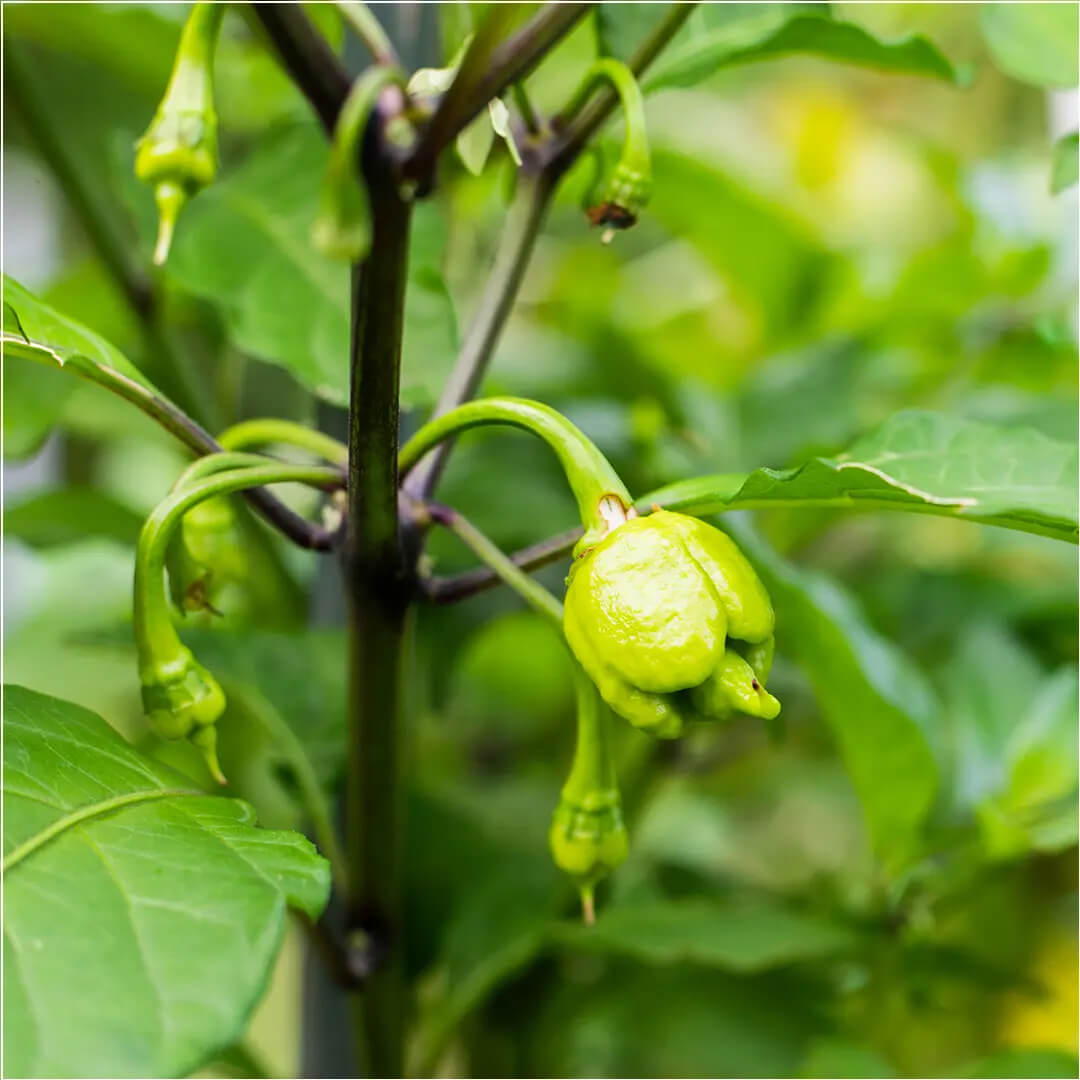
Orange Carolina Reaper is an orange-fruited selection of the famous Carolina Reaper, an exceptionally hot Capsicum chinense cultivar developed by breeder Ed Currie.  The classic Reaper became the Guinness World Records “hottest chilli pepper” in November 2013 (with an average measured heat reported by Guinness) and held that title until it was later surpassed by Pepper X (also developed by Currie). 
So what’s different about the orange form? Think of it as the same Reaper energy—gnarled pods, sharp “tail” tendencies, big chinense aroma—but with a vivid orange finish that looks stunning in sauces and powders. Some suppliers suggest the orange line can present slightly different flavour nuance (often described as citrus/fruity), while still landing firmly in superhot territory. 
Why it’s worth growing in NZ:
• High value harvest: a small crop becomes months of sauce, salt or powder.
• Premium colour: orange Reaper sauces look incredible in jars and gift packs. 
• Collector appeal: a modern icon cultivar in a bold colour variant. 
This is not a casual chilli. It’s a precision ingredient and a proper grower’s project—best enjoyed by people who love pushing their garden (and pantry) into the serious zone.
Cultivation
Cultivation
Orange Carolina Reaper is a chinense superhot, and in NZ the best results come from starting early indoors with stable warmth. That early momentum is what gives you enough season length for full ripening.
NZ sowing window (indoors)
• Late August–September: ideal for most NZ regions
• July–August: only if you have a heat mat/propagator and strong light (helps maximise season length)
• September–early October: cooler southern regions (consider finishing under cover)
Germination temperature range
For peppers, a reliable benchmark is keeping the seed mix 25–29°C. Stable warmth matters more than pushing extremes—especially with chinense varieties. 
Typical germination time
Plan for 10–21 days, with the honest caveat that superhots can be slower if nights cool down or the medium swings wet/dry. (Warm soil and consistent moisture are the two big levers.) 
Seed-starting steps (high success, low drama)
• Use a fine, free-draining seed-raising mix; lightly firm.
• Sow ~5 mm deep; water gently to settle.
• Keep the mix evenly damp (damp, not wet). Use a humidity lid early on, but vent daily.
• Maintain bottom warmth with a heat mat; avoid cold windowsills overnight.
• Once seedlings emerge, provide bright light immediately to prevent legginess.
Troubleshooting
• Slow/no germination: temperature fluctuation is the usual culprit—stabilise warmth first.
• Seedlings collapsing: too wet + stale air—vent more and water from below.
• Leggy growth: not enough light—increase brightness and move lights closer.
The goal is sturdy, compact seedlings that can hit the ground running once spring warmth arrives.
Growing
Growing
Orange Carolina Reaper wants what all serious chinense peppers want: sun, shelter, drainage, and consistency. In NZ, wind-chill and cool spring nights are the most common reasons superhots underperform.
Sun, shelter, airflow
• Aim for 6–8+ hours of sun daily.
• Prioritise wind shelter (fence line, hedge, courtyard, tunnelhouse).
• Maintain airflow through the canopy so foliage dries quickly after rain.
Soil guidance (including pH)
Peppers are happiest in fertile, well-drained soil, commonly grown around pH 6.0–6.8.  The bigger practical priority is drainage: Reapers dislike cold, wet roots.
Pot vs ground
For NZ growers, pots are often the easiest way to control warmth and moisture:
• Pots: aim for 25–40 L. Bigger pots buffer moisture swings and warm faster in spring sun.
• In-ground: choose your warmest bed; raised beds help if your soil holds water.
Feeding, watering, staking/pruning
• Water deeply, then allow the surface to dry slightly before watering again.
• Feed lightly while establishing; shift to a fruiting-support feed once flowering begins.
• Stake early: Reaper pods are heavy, and wind can snap fruiting branches.
• Consider light pruning to open the centre for airflow and easier pest checks.
NZ-specific considerations
Plant out after frost risk and only when weather is consistently mild. If your microclimate is cool or exposed, a tunnelhouse, greenhouse, or warm north-facing wall can be the difference between “some pods” and a proper orange-ripe harvest.
Treat the plant like a heat-loving specialist and it will repay you with an unreal amount of potency per pod.
Harvesting
Harvesting
Orange Carolina Reaper is best harvested fully ripe—colour and firmness are your real signals, not just the calendar.
Ripeness cues
• Pods typically mature from green to bright orange, with wrinkled skin and a firm feel. 
• Aroma intensifies at maturity; chinense peppers become more fragrant as they finish.
How to pick (without damaging the plant)
• Use snips/secateurs and cut with a short stem.
• Avoid pulling—branches can tear and reduce future flowering.
How to maximise yield
• Harvest regularly once pods are ripe; it encourages continued flowering.
• Keep watering consistent during fruit set; big swings can cause flower drop.
• Continue feeding through peak summer so plants keep producing into autumn.
Post-harvest handling
• Fresh storage: keep pods dry and unwashed in the fridge; use within 1–2 weeks.
• Freezing: slice and freeze in labelled micro-portions (ideal for superhots).
• Drying: dehydrate until fully brittle, then store airtight away from light.
• Fermenting: great for hot sauce bases—keep everything clean and fully submerged.
Heat Levels
Heat Levels
This is extreme / superhot heat.
Scoville range (supported, but variable by source)
Different reputable sources cite different ranges:
• Pepper Joe’s: 1.4–2.2 million+ SHU (for Orange Carolina Reaper seeds). 
• Kings Seeds NZ (for Carolina Reaper generally): 1.6–2.2 million. 
Guinness’ 2013 record announcement for Carolina Reaper reported an average of 1,569,300 SHU for the Reaper (not specifically “orange”). 
Because these don’t perfectly match, the most honest summary is:
• Expect ~1.4 to 2.2 million+ SHU, depending on seed line and growing conditions, with some “average” figures for Reaper generally sitting lower than peak claims. 
Why heat varies
• Genetics/seed line differences (especially with colour variants)
• Season warmth and sun intensity
• Watering consistency and plant stress
• Ripeness at harvest
Flavour descriptors beyond “hot”
Despite the burn, Reaper lines are commonly described as fruity with chinense aromatics; some orange listings emphasise a citrus/fruity angle. 
Who it’s for
• Beginner: not recommended.
• Sauce makers/fermenters: perfect—tiny amounts transform whole batches.
• Powder/salt makers: excellent as a “heat concentrate”.
• Heat chasers: yes—safely and responsibly.
Pests and Diseases
Pests and Diseases
Orange Carolina Reaper faces the usual NZ chilli issues—especially if you grow it in warm, sheltered spots (which pests also love).
Common issues
• Aphids: curled new growth, sticky honeydew
• Whitefly: small flying insects; plants weaken over time
• Spider mites: speckling and dull foliage; webbing in heavy infestations (often under cover)
• Fungal issues: encouraged by wet foliage and stale air
• Root rot: poor drainage + overwatering, especially in cool spells
Prevention first
• Space plants for airflow; don’t crowd.
• Water the soil, not the leaves.
• Prioritise drainage (raised beds / free-draining pot mix).
• Inspect weekly—undersides of leaves and new tips are where problems begin.
Organic controls
• Insecticidal soap for aphids/whitefly/mites (repeat applications often needed).
• Neem-based products can help with sucking pests; follow label directions.
• Yellow sticky traps to monitor and reduce flying pests like whitefly.
• Prune off heavily infested tips and dispose of them.
Warning signs
Sticky leaves, distorted new growth, speckling, or wilting in wet soil are early alarms. Act early: the longer-season your Reaper takes to ripen, the more it benefits from prevention rather than rescue.
Dishes
Dishes
Orange Carolina Reaper is a micro-dose chilli. The best way to use it is controlled: tiny amounts, taste as you go, label everything.
10 dish ideas
• Fermented hot sauce with mango/pineapple bases (orange + tropical is a natural pairing). 
• BBQ glaze (NZ-friendly): micro-dose into honey–soy glaze for chicken or pork.
• Burger sauce: pinhead amount in mayo + mustard + pickles.
• Chilli salt: dehydrated powder mixed into flaky salt for finishing chips and grilled meats.
• Dry rub: powder with smoked paprika, garlic, cumin and brown sugar.
• Hot oil: gentle infusion, then strain well (start tiny).
• Pickle brine booster: one sliver heats an entire jar.
• Winter stew depth: add a tiny piece early, remove for control.
• Jerky/jerk-style sauces: some orange Reaper listings explicitly mention these flavour directions. 
• Seasoning powder: treat like a concentrate—use sparingly.
Safe handling tips (strongly recommended)
• Wear gloves when cutting or blending.
• Avoid touching eyes/face; wash boards and knives thoroughly.
• When dehydrating/grinding, use strong ventilation (superhot dust can be intense).
• Store powders and sauces labelled and out of reach of kids/pets.
| Heat Level: | 1,800,000 – 2,200,000 SHUs |
| Type: |
Super Hot |
| Species: | Capsicum Chinense |
| Origin: |
USA |
| Days to Harvest: | 100+ days |
| Seeds per Pack: | 10+ pepper seeds |
Share