


Ignition Seed Company
Mirasol (Guajillo) Seeds
Mirasol (Guajillo) Seeds
Couldn't load pickup availability
General
General
From Garden to Salsa Roja: The Sun-Facing Mirasol Chilli
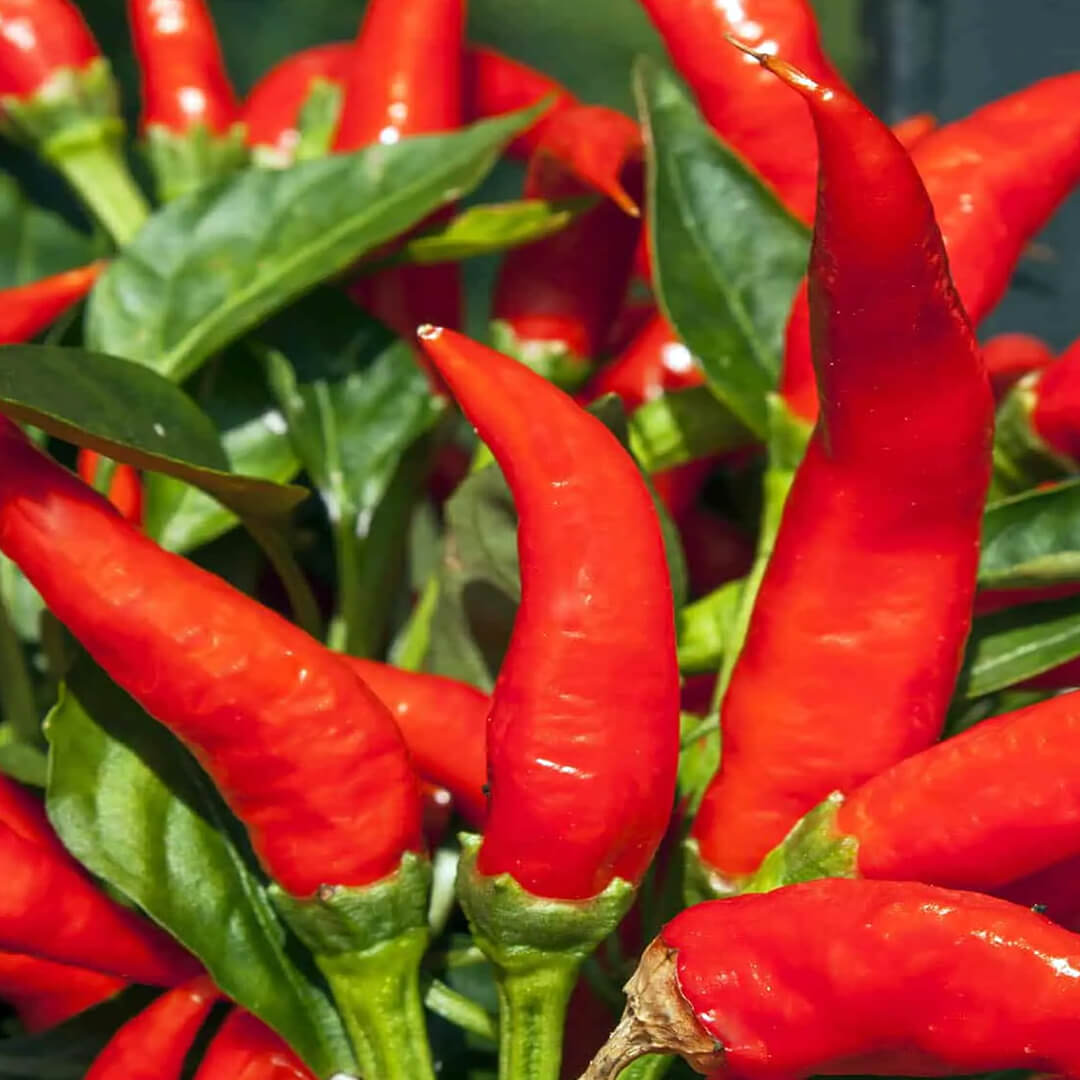
Mirasol is a traditional Capsicum annuum chilli. The name is widely explained as “looking at the sun”, and it’s exactly what the pods appear to do as they ripen. 
Flavour is where Mirasol earns its keep. Produce references describe a nutty, fruity character that suits sauces, stews, and meat dishes, while still working beautifully fresh in salsas.  The pods are typically slender-to-medium, ripening from green to red, and they dry well—one reason Mirasol is often discussed alongside guajillo. 
A key clarity point: depending on source, “guajillo” is sometimes described as the dried form of mirasol, but some seed sellers note they treat guajillo as a distinct cultivar and use “mirasol” as its own line. In other words, the naming can vary—what’s consistent is the type of chilli and how you use it: fresh for bright heat, dried for deep red sauces. 
Why grow it in NZ?
• Reliable mid-heat: hot enough to matter, mild enough to cook with often. 
• Great drying chilli: ideal if you like making powders, flakes, or sauce bases. 
• Upright fruiting habit: easy to spot and pick, and it looks fantastic on the plant. 
If you’re building a chilli garden that supports real cooking—especially Mexican-style sauces—Mirasol is a premium, practical choice.
Cultivation
Cultivation
Mirasol is a warm-season Capsicum annuum, so the goal in NZ is to start indoors early enough to maximise summer fruiting, without forcing seedlings to sit cold and stalled.
NZ sowing window (indoors)
• Late August–September: ideal for most NZ regions
• September–early October: cooler southern regions
• July–August: only with a heat mat and strong light (otherwise growth can stall)
Germination temperature range
Pepper seed germination is widely reported as best in warm media—sources commonly cite germination across roughly 16–29°C, with best results around 27°C (above ~80°F). 
Research from New Mexico State University also shows chilli seed germination performance improves with warmer average temperatures (e.g., ~20°C reaching near-max germination by ~12 days in their tests). 
For NZ home sowing, the practical approach is steady warmth: aim for 25–29°C at the seed mix level if you can.
Typical germination time
Under stable warmth, many peppers germinate in roughly 10–21 days (faster when temperatures don’t dip overnight). 
Seed-starting steps
• Use a fine, free-draining seed-raising mix in trays or small pots.
• Sow 5–8 mm deep; water gently to settle.
• Keep mix evenly damp (damp, not wet). Use a humidity lid early, but vent daily.
• Provide bottom warmth (heat mat) in late winter/early spring.
• Once seedlings emerge, move to bright light immediately to prevent legginess.
Troubleshooting
• Slow/no germination: usually temperature swings—stabilise warmth first. 
• Seedlings collapsing: often too wet + stale air; vent more and water from below.
• Leggy seedlings: light too weak—increase intensity and reduce distance to the light source.
Done well, you’ll have sturdy seedlings ready to surge once NZ spring nights finally warm up.
Growing
Growing
Mirasol is a straightforward grow when you give it sun, shelter, and a warm root zone—exactly what most NZ chilli success comes down to.
Sun, shelter, airflow
• Aim for 6–8+ hours of sun daily.
• Prioritise wind shelter (fence line, hedge, courtyard). Wind-chill slows peppers and can reduce flower retention.
• Keep airflow through the canopy so foliage dries quickly after rain.
Soil guidance (including pH)
Extension guidance for peppers commonly recommends slightly acidic to neutral soil around pH 6.0–6.8, with strong emphasis on drainage and steady moisture. 
Pot vs ground
• Pots: 15–25 L is a dependable size for productive annuum peppers; go larger if your site is hot and windy and you want fewer watering swings.
• In-ground: choose your warmest bed; raised beds help if your soil holds water.
Feeding, watering, staking/pruning
• Water deeply, then let the top couple of centimetres dry slightly before watering again.
• Feed lightly while establishing; once flowering begins, shift to a fertiliser that supports fruiting rather than pure leaf growth.
• Mirasol’s upright pods are easy to spot, but plants can still get heavy with fruit—stake if your site is breezy.
• Light pruning to open the centre improves airflow and makes pest checks easier.
NZ-specific considerations
• Transplant in spring after frost risk and once nights are reliably mild—peppers grow poorly in prolonged cool conditions. 
• Cool springs: pots on a warm deck or against a north-facing wall can speed growth.
• Hot spells: consistent soil moisture helps avoid blossom-end rot and poor fruit set; several extension guides stress uniform moisture as key. 
With steady warmth and moisture, Mirasol tends to produce a generous run of pods that are perfect for both fresh use and drying.
Harvesting
Harvesting
Mirasol is one of those chillies where you can harvest at multiple stages depending on how you cook—fresh green for bright bite, or fully red for drying and sauces.
Ripeness cues
• Pods mature green to red, commonly described as upright and slender-to-medium. 
• For drying and red sauces, wait for full red colour, firm walls, and a stronger aroma.
How to pick (without damaging the plant)
• Use snips/secateurs and cut with a short stem.
• Avoid pulling—branches can tear, especially when plants are loaded.
How to maximise yield
• Harvest regularly once pods reach your preferred stage. Frequent picking encourages continued flowering.
• Keep watering consistent during heavy fruiting; moisture stress can reduce fruit set and quality. 
• Continue feeding through peak summer if plants are producing heavily.
Post-harvest handling
• Fresh: store dry and unwashed in the fridge; use within 1–2 weeks. 
• Drying: one of Mirasol’s best uses—dry until brittle, then store airtight away from light. 
• Freezing: slice and freeze in small labelled portions for sauces and stews (texture softens, flavour holds).
• Fermenting: great for sauce bases—especially if you like a deeper, rounded red chilli profile.
Timing note
Maturity timelines vary by supplier and growing conditions, and some sellers also note variable heat.  In NZ, treat “days to maturity” as a guide and harvest by colour + firmness + aroma.
Heat Levels
Heat Levels
Mirasol sits comfortably in the mild-to-medium zone—enough heat to lift a sauce, not so much that it overwhelms the dish.
Scoville range (consistently supported)
Multiple reputable references cluster around 2,500–5,000 SHU. 
That’s broadly comparable to the milder end of jalapeño territory, and it matches how Mirasol is used: in volume for flavour, and in smaller amounts for sharper heat.
Why heat varies
• Seed line differences (Mirasol is sometimes treated as a landrace-type chilli in listings). 
• Season warmth and sunlight intensity.
• Watering consistency and plant stress.
• Ripeness: fully red pods can taste deeper and sometimes feel hotter.
Flavour descriptors beyond “hot”
Produce references describe a nutty character, and several sources point to a fruity profile that works well in sauces and meat dishes. 
It’s a chilli that brings flavour first, heat second—which is exactly why it’s valued in traditional sauce-making.
Who it’s for
• Beginner: yes—great step-up from sweet peppers without going extreme.
• Sauce makers: ideal—enough heat for complexity, especially when dried. 
• Everyday cooks: perfect for stews, marinades and salsas.
• Superhot chasers: not the point; grow it for flavour and versatility.
Pests and Diseases
Pests and Diseases
Mirasol grows like most annuum peppers in NZ, which means the common issues are familiar—and manageable with good habits.
Common chilli issues relevant to NZ
• Aphids: curled new growth, sticky honeydew
• Whitefly: tiny insects that lift when disturbed; gradual weakening
• Spider mites: speckling/dull leaves; webbing in heavier infestations (often under cover)
• Fungal issues: promoted by wet foliage and poor airflow
• Root rot: poor drainage + overwatering, especially in cooler spells
Prevention first
• Space plants for airflow and avoid overcrowding.
• Water the soil, not the leaves.
• Prioritise drainage (raised beds / free-draining pot mix).
• Keep soil uniformly moist—extension guidance links uneven moisture to disorders like blossom-end rot. 
Organic controls
• Insecticidal soap for aphids/whitefly/mites (repeat applications often needed).
• Neem-based products can help with sucking pests; follow label directions.
• Yellow sticky traps to monitor and reduce flying pests like whitefly.
• Prune off heavily infested tips and dispose of them.
Warning signs
Sticky leaves, distorted tips, speckling, or sudden wilting in wet soil are early alarms. Catch problems early and your plant keeps flowering—meaning more upright pods pointing skyward right through the season.
Dishes
Dishes
Mirasol is a cook’s chilli: easy heat, strong colour, and excellent performance fresh or dried.
10 dish ideas
• Mole-style sauce base: dried Mirasol blended with tomato, spices and aromatics. 
• Red sauce for tamales: some sources specifically mention Mirasol used in a red sauce/salsa context for tamales. 
• Salsa roja: lightly toasted dried pods blended with garlic and vinegar.
• Stews and braises: the nutty-fruity note works brilliantly with beef or pork. 
• Pickled chillies: slice and pickle for tacos, burgers and sandwiches. 
• Chilli oil: infusion using dried pods; strain for control.
• Dry rub for BBQ (NZ-friendly): dried powder with cumin, garlic, oregano and salt.
• Roasted chilli salsa: roast fresh pods with tomatoes and onion.
• Marinade booster: blend into citrus-and-garlic marinades for chicken.
• Chilli flakes: dry and crush for eggs, pizza, roast veg.
Handling tips
Mirasol is mild-to-medium, but if you’re toasting and grinding dried chillies, use good ventilation and avoid breathing the dust. Gloves are optional for small prep, but handy for big batches.
a
| Heat Level: | 2,500 - 5,000 SHUs |
| Type: | Mild |
| Species: | Capsicum Annuum |
| Origin: | Central America / Mexico |
| Days to Harvest: | 70+ days |
| Seeds per Pack: | 10+ pepper seeds |
Share


Thank you for even having these seeds available for purchase. I'd never seen them here in nz before, and I'm hoping they'll be great in our Mexican cooking!
Thank you for even having these seeds available for purchase. I'd never seen them here in nz before, and I'm hoping they'll be great in our Mexican cooking!